

Saint Giles: Patron Saint of the Disabled and Outcasts
Saint Giles remains one of the most curious and widely venerated figures from the early medieval Church. Although his biography blends legend with history, his humility and quiet devotion earned him lasting admiration across Europe. Today, believers still invoke him for protection against illness, disability and isolation.
Saint Giles’s Feast Day Falls on 1 September
The Catholic Church honours Saint Giles every year on 1st September. He is remembered as one of the Fourteen Holy Helpers, a group of saints traditionally invoked against specific illnesses and hardships. Notably, Giles remains the only non-martyr among this group and believers historically called upon him for protection during outbreaks of the Black Death. Consequently, his feast day carries particular significance for those seeking comfort during illness or adversity.
A Greek Nobleman Seeking Hidden Holiness
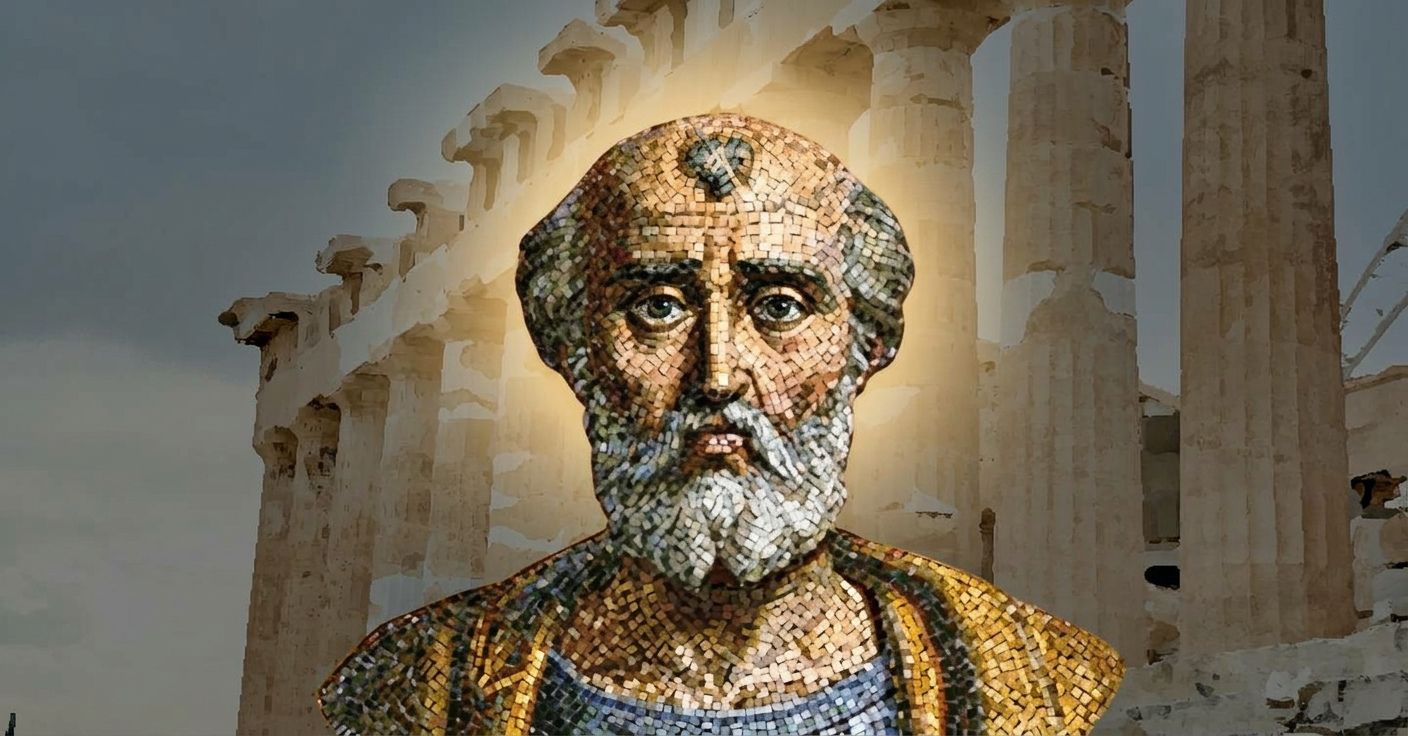
According to tradition, Saint Giles was born around 650 into a noble Athenian family. Some legends even describe him as the son of a king and queen, though such claims remain largely unverifiable. Despite his privileged background, Giles grew uncomfortable with the praise his piety and learning attracted at home. As a result, he chose to leave Greece entirely and sail toward France, hoping to live a genuinely hidden life devoted to prayer.
Saint Giles and the Legend of the Wounded Hind
Once in France, Saint Giles settled first near the mouth of the River Rhône, later moving toward the River Gard. Eventually, he withdrew deep into the forest near Nîmes, seeking complete solitude away from society. According to legend, his only companion during these years was a gentle hind, or female deer, who reportedly sustained him with her milk. However, royal hunters eventually discovered his hidden retreat while chasing this same deer through the Forest. During the pursuit, an arrow aimed at the animal struck Giles instead, wounding him permanently. Because of this injury, he later became recognised as a patron for people living with disabilities.
Saint Giles and the Founding of a Monastery
The local king, moved by Giles’s humility and holiness, greatly admired the hermit despite his reluctance to leave solitude. Although honoured with royal favour, Giles firmly resisted worldly recognition, choosing instead to accept only a small number of disciples. Eventually, the king helped establish a monastery for him, which followed the Rule of Saint Benedict. This foundation grew into the town of Saint-Gilles-du-Gard, which later became an important stop along the pilgrimage route to Santiago de Compostela. Giles died in the early eighth century and his tomb soon became a significant destination for medieval pilgrims.
The Enduring Cult and Patronage of Saint Giles
Devotion to Saint Giles spread rapidly throughout medieval Europe, reaching France, Spain, Germany, Poland, Hungary and Great Britain. Many churches and towns were named in his honour, including Edinburgh’s famous St Giles’ Cathedral in Scotland. During the sixteenth century, his relics were secretly moved to Toulouse to protect them from destruction during religious conflict. Later, in the nineteenth century, most relics returned to Saint-Gilles-du-Gard, renewing interest in pilgrimages there.
Today, Saint Giles is invoked by an unusually wide range of people, including beggars, blacksmiths, hermits, and those suffering from epilepsy or mental illness. He is also considered a patron for cancer patients, outcasts, and individuals struggling with sterility. Readers interested in similarly compassionate patrons can explore our Catholic Saints archive, while further historical background is available through Catholic Online.
Ultimately, Saint Giles’s life reminds believers that true holiness often prefers quiet humility over public recognition. His story continues to comfort those who feel forgotten, wounded, or pushed toward life’s margins.






Leave a Reply