
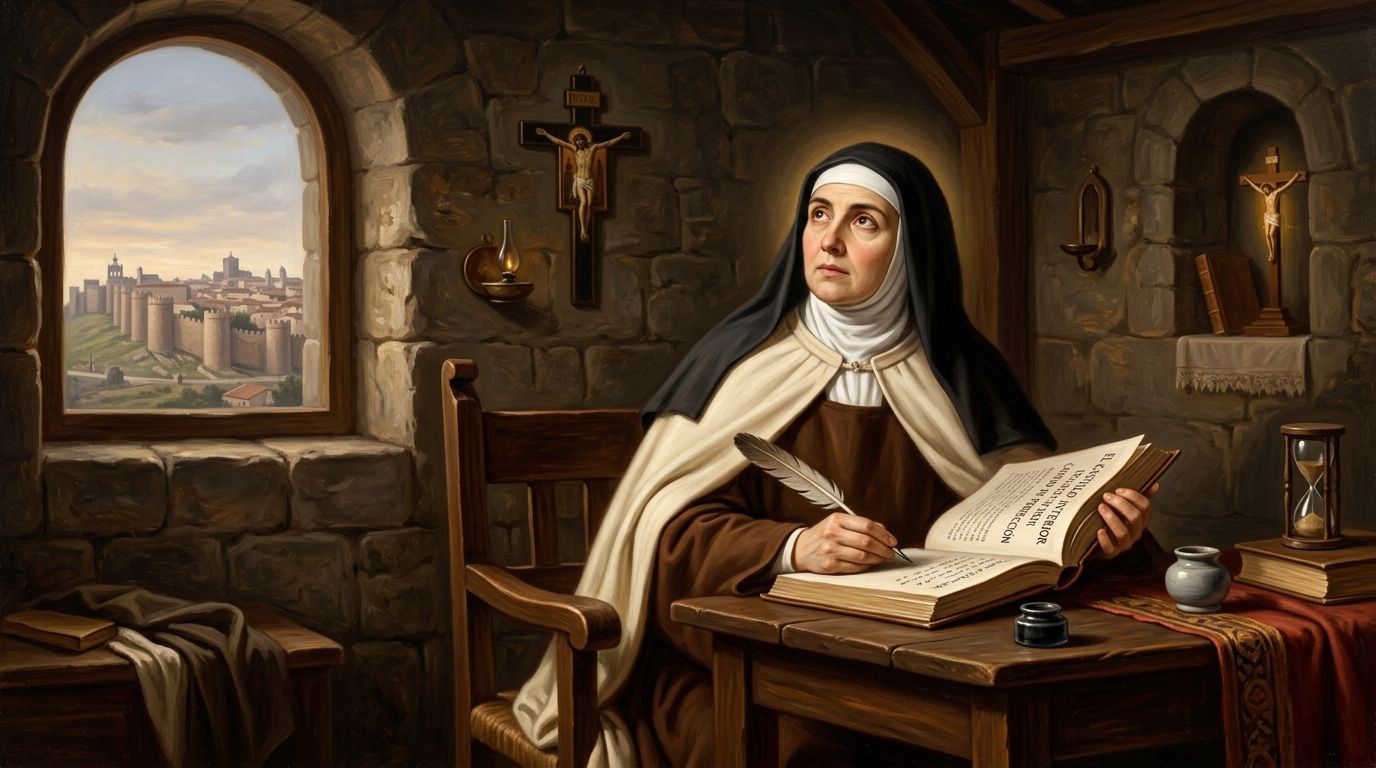
Mystic, Reformer and Doctor of the Church
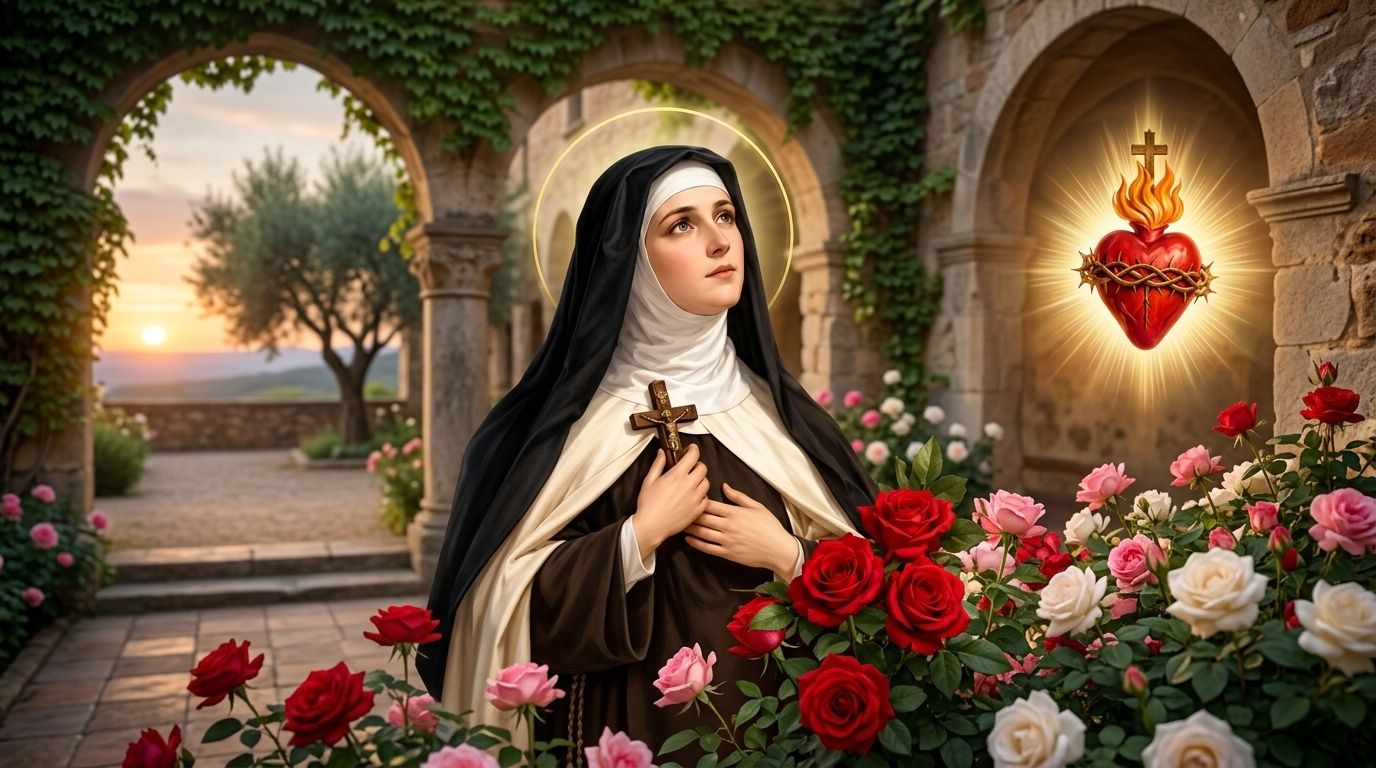
The Church celebrates the feast of Saint Teresa of Avila on October 15. She was a Spanish Carmelite nun, one of the great mystics and a reformer of the Catholic Church. Moreover, she became the first woman named a Doctor of the Church. Therefore, her life still inspires believers who long for deeper prayer. In addition, her story shows how God can use a determined and humorous soul.
Teresa was born on March 28, 1515, in Avila, Spain. Her name at birth was Teresa de Cepeda y Ahumada. She was one of ten children, and her mother died when she was 15. Meanwhile, her father was a merchant from Toledo. This family background shaped her practical and warm character.
In 1535, Teresa joined the Carmelite Order. She lived at the Convent of the Incarnation, where she realised that the community did not follow the original ideals of Carmelite life. Over the centuries, the order had relaxed its austerity. Nevertheless, she kept seeking God sincerely. In time, that search led her to a bold decision.
In 1558, Teresa began to consider restoring Carmelite life to its original austerity. As a result, she started a reform that brought back silence, poverty and deep prayer. Then she founded new convents across Spain. She also enlisted Saint John of the Cross to extend the reform to the men’s side of the order. Eventually, the reformed branch became the Discalced Carmelite Order after her death.
However, the work cost her dearly. Teresa faced opposition, persecution and poverty. For years, a bitter struggle divided the order, and many turned against her. Even so, her foundations thrived. Bishops soon asked her to reform existing monasteries. Until the end of her life, she kept founding houses.
Teresa also left spiritual classics. She wrote her autobiography, The Life of Teresa of Jesus, under obedience to her confessor. In addition, she wrote The Way of Perfection and The Book of Her Foundations. Then, in 1577, she wrote The Interior Castle. It uses the picture of a castle with seven mansions to describe the different states of the soul. Thus, her books guide beginners and seasoned souls alike.
Despite her heavy work, Teresa never lost her charm or her sense of humour. She died at Alba de Tormes on October 4, 1582, just months after her last foundation. Interestingly, her death coincided with the day the Gregorian calendar was introduced. As a result, the next day became October 15, and the Church keeps her feast on that date.
The Church recognised her holiness over the years. Pope Paul V beatified her in 1614. Then Pope Gregory XV canonised her in 1622. On September 27, 1970, Pope Paul VI proclaimed her the first female Doctor of the Church. She is one of only four women with that title. Paul VI called her a teacher of the spiritual life and a contemplative like no other, yet tirelessly active.
What can we learn from Saint Teresa of Avila? First, prayer is a friendship with God. Next, perseverance matters more than perfection. Furthermore, contemplation and action belong together. Therefore, we can pray daily and serve generously. In addition, her honesty about her own weakness gives hope to every sinner.
You can honour her today in simple ways. First, spend ten quiet minutes in prayer. Next, read a few pages of The Interior Castle. Then offer one act of service for someone in need. For more reading, visit Britannica, the Carmelites and Find the Saint.
Leave a Reply