
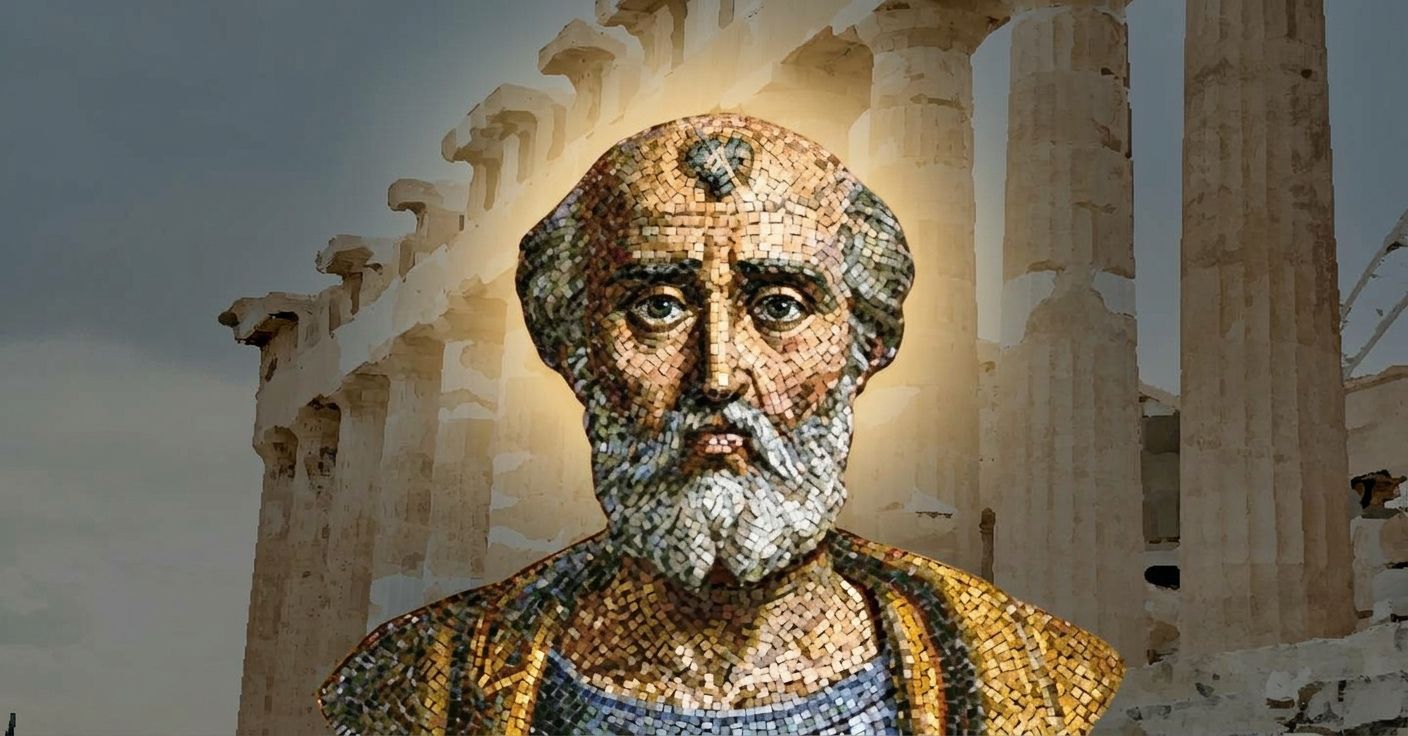
Image Credit: Catholic Heroes
From Slave to Pope and Martyr
The Catholic Church keeps the optional memorial of Pope Saint Callistus I on October 14. He is the patron saint of cemetery workers. Moreover, he rose from slavery to lead the Church of Rome. Therefore, his life shows how God lifts the humble. In addition, he became a champion of mercy for repentant sinners.
Most of what we know comes from his enemy Hippolytus. Therefore, historians read the details with caution. Little was known about Callistus before the discovery of the Philosophumena, a work by Hippolytus that in part attacks him. Nevertheless, it gives us a rare glimpse into his life.
Callistus began life as a slave in Rome. He served in the household of a Christian named Carpophorus, who trusted him to run a bank with funds from fellow Christians. Callistus lost the money and fled the city in fear. According to Hippolytus, authorities then denounced him as a Christian and sentenced him to the mines of Sardinia. Pope Victor later released him and sent him to Antium, which people now call Anzio.
Afterwards, Callistus returned to Rome. Pope Zephyrinus ordained him a deacon and put him in charge of the Christian burial ground on the Appian Way. That cemetery grew into the famous Catacombs of Saint Callistus. It served Christians from the second to the fourth centuries as a multi-level underground cemetery. Today, the network stretches for miles. Interestingly, Callistus himself is not buried there.
In 217, Callistus became bishop of Rome. Some sources give 218. Either way, his reign lasted until about 222. He was the sixteenth pope. However, a minority of Roman Christians refused to accept him and followed Hippolytus. As a result, Hippolytus became the first antipope.
The dispute centred on mercy. Callistus admitted to communion those who had done public penance for murder, adultery and fornication. Hippolytus and others strongly disagreed. They taught that some sins were too grave for forgiveness through confession. Callistus held that every sin can be forgiven if the sinner repents with a sincere heart. In addition, Hippolytus accused him of favouring heresy. Callistus tried to distance himself from that charge.
Callistus died around 222, and the Church has honoured him as a martyr since the fourth century. However, sources differ on how he died. Some say there was no persecution at the time, and that he died during a public riot against Emperor Heliogabalus. Later apocryphal accounts add colourful detail. He was buried in the Cemetery of Calepodius on the Via Aurelia. Early records note his anniversary on October 14.
One writer observed that Callistus might rank among the greatest popes if we knew more about him from Christian sources. Meanwhile, his life already teaches much. First, God can use anyone, whatever their past. Next, mercy builds the Church. Furthermore, humility opens the door to grace. Therefore, we can ask his help whenever we feel unworthy.
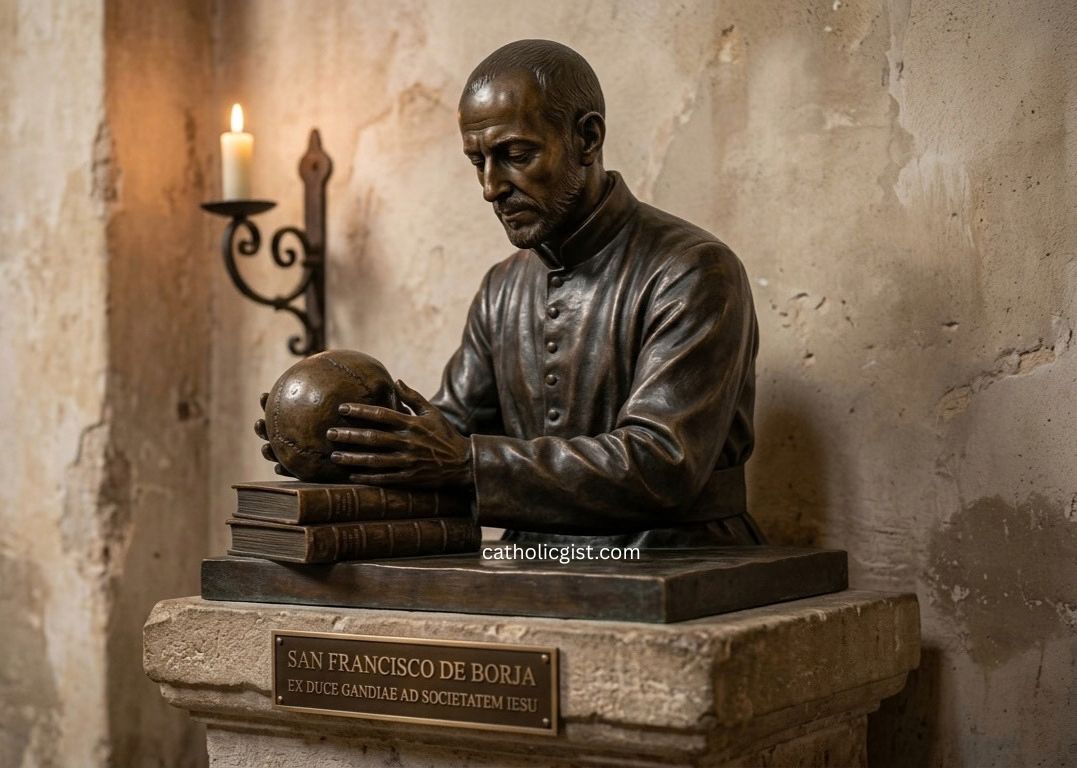
You can honour him in simple ways. First, pray for those who feel trapped by their past. Next, visit a cemetery and pray for the faithful departed. Then examine your heart and forgive someone this week. For more reading, see Britannica, Catholic Ireland and My Catholic Life. In addition, you can revisit our earlier post, Saint Francis Borgia: From Spanish Duke to Jesuit Leader.


Leave a Reply