
Image credit: Photograph via Young Catholics / (Modified by AI)
The Scholar Who Gave the Church Its Bible
The Catholic Church honours Saint Jerome on September 30, marking the date of his death in 420. Believers know him best as the scholar who translated the entire Bible into Latin, producing the Vulgate. Consequently, his single translation shaped Western Christianity’s understanding of Scripture for well over a thousand years. Furthermore, his fierce intellect and equally fierce temper make him one of history’s most memorable Church Fathers. Therefore, exploring his life reveals both remarkable scholarship and a genuinely difficult, driven personality.
Jerome was born around 347, in Stridon, a town located within present-day Croatia or nearby Slovenia. His family sent him to Rome, where he mastered Latin, Greek and rhetoric under skilled tutors. Initially drawn toward secular ambition, he later converted more fully toward Christian devotion during his studies. Afterwards, he travelled toward the Syrian desert, living there as a hermit for approximately 4 years. During this harsh period, he battled persistent temptation and he later admitted the struggle nearly overwhelmed him completely. Consequently, he threw himself into learning Hebrew, hoping disciplined study might quiet his restless mind.
Jerome was ordained a priest at Antioch, though he reportedly preferred scholarship considerably over pastoral ministry. Afterwards, he moved toward Constantinople, studying Scripture directly under the respected Greek theologian Gregory Nazianzen. Eventually, Pope Damasus I summoned him back to Rome, appointing him as his personal secretary. During this period, Damasus also commissioned Jerome toward an ambitious new task: revising the Latin New Testament thoroughly. This project eventually expanded into translating the entire Bible, a monumental undertaking that occupied him for roughly thirty years.
While living in Rome, Jerome guided a devoted group of Christian widows pursuing a semi-monastic spiritual life together. However, persistent gossip regarding his close friendships with these women eventually damaged his reputation considerably. Consequently, following Damasus’ death, Jerome left Rome permanently, settling instead within Bethlehem alongside several devoted followers. There, he established a monastery, continuing his translation work steadily amid genuine scholarly isolation. Two women, Paula and her daughter Eustochium, became particularly skilled collaborators, assisting him extensively throughout this lengthy project.
Jerome’s completed translation eventually became known as the Vulgate, meaning the “common” or widely used version. Remarkably, he translated directly from Hebrew and Greek sources, rather than relying solely upon earlier Latin renderings. Consequently, scholars still regard this approach as genuinely innovative for his particular historical era. The Vulgate eventually became the Catholic Church’s official biblical text, remaining dominant for well over a millennium. Indeed, the Douay-Rheims Bible, still used by many English-speaking Catholics, derives directly from Jerome’s original Latin translation.
Beyond translation work, Jerome also produced extensive biblical commentaries, alongside numerous letters offering spiritual guidance toward friends and correspondents. However, his writings frequently revealed a sharp, combative personality, particularly whenever confronting theological opponents he considered genuinely heretical. Consequently, his strong will helped him complete extraordinarily difficult tasks, yet it also earned him considerable personal criticism. Nevertheless, the Church later honoured him specifically for the Vulgate, his scriptural commentaries and his writings on monastic life. Additionally, he consistently maintained that Rome should settle major theological disputes, reinforcing papal authority within Church governance.
As Jerome aged, considerable hardship marked his final years within Bethlehem’s quiet monastery. Paula died first, followed later by her daughter Eustochium, leaving him genuinely grief-stricken and increasingly frail. Worn down by penance, demanding labour and failing eyesight, he died peacefully on September 30, 420. His body was originally buried beneath the Church of the Nativity, close to Bethlehem’s own traditional birthplace grotto. Later, during the 13th century, his remains were transferred toward Rome, resting today within Santa Maria Maggiore.
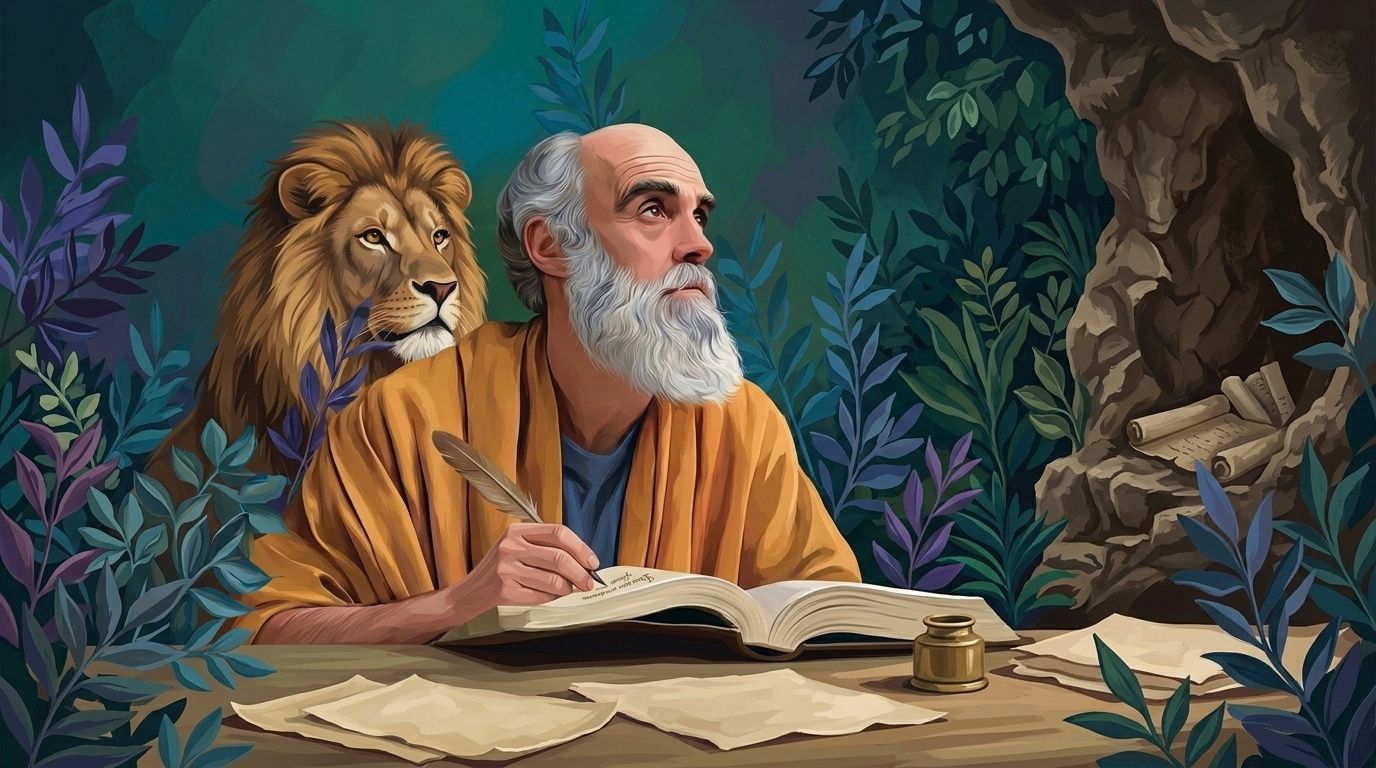
In 1295, Pope Boniface XIII formally declared Jerome one of the Church’s original four great Latin Doctors. Today, artists traditionally depict him alongside a lion, referencing a popular legend involving a thorn removed from its paw. This striking image symbolises Jerome’s own disciplined taming of restless passion through rigorous scholarship and prayer. Consequently, believers now invoke him as patron of translators, librarians, biblical scholars and even students facing difficult academic work. For readers wishing to explore further Church history, additional detail remains available through EWTN and Loyola Press, alongside earlier articles published on this website concerning other celebrated Doctors of the Church.



Leave a Reply