
From Tax Collector to Evangelist
The Catholic Church honours Saint Matthew the Apostle annually on September 21 within Western Christianity. Interestingly, Eastern churches instead celebrate his feast on November 16, while Coptic tradition marks it in October. Consequently, believers across different Christian traditions all pause annually to remember this remarkable tax collector turned evangelist. Furthermore, his dramatic transformation continues offering genuine hope toward anyone who feels disqualified from holiness because of their past. Therefore, exploring his story reveals why this once-despised figure became such an influential apostle and Gospel writer.
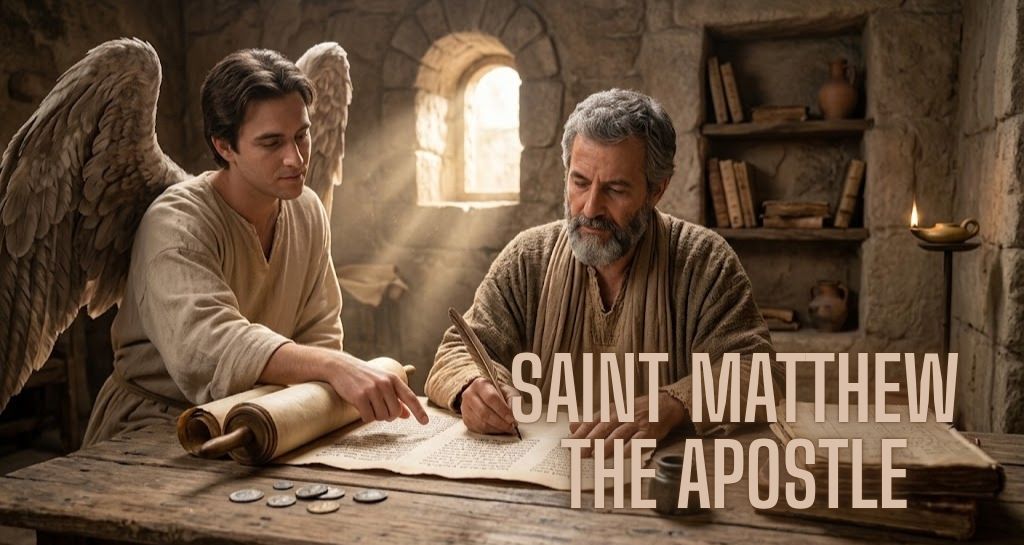
Before encountering Jesus, Matthew worked as a tax collector stationed at Capernaum, serving under Herod Antipas, Galilee’s Roman-appointed ruler. Also known by his earlier name, Levi, he was reportedly the son of a man called Alpheus. Understandably, Jewish communities generally despised tax collectors, viewing them as traitors who exploited their own people for Roman profit. Consequently, publicans like Matthew were excluded from ordinary religious and social life, treated essentially as outcasts among their neighbours. Nevertheless, everything changed dramatically one day while Matthew sat quietly at his customs post, counting coins and ledgers.
According to the Gospel account, Jesus simply looked at him and spoke two short, direct words: “Follow me.” Remarkably, Matthew immediately rose from his Table, abandoning his lucrative profession entirely to follow this itinerant Galilean preacher. Afterwards, he hosted a celebratory dinner at his own home, inviting numerous fellow tax collectors and social outcasts to attend. Predictably, religious authorities strongly criticised Jesus for associating so openly with these disreputable dinner guests. However, Jesus firmly defended his choice, explaining that he had come specifically to help sinners rather than the self-righteous.
Matthew’s transformation carried enormous symbolic weight, demonstrating that Jesus’ mission extended toward society’s most rejected members. Throughout the remaining Gospel narratives, Matthew appears consistently listed among Jesus’ twelve chosen apostles, often paired alongside Thomas. Beyond this brief calling narrative, Scripture offers relatively little additional biographical detail concerning Matthew’s personal life or character. Nevertheless, tradition consistently credits him as author of the Gospel bearing his name, considered the longest among the four. Indeed, Bishop Papias of Hierapolis, writing around the year 130, testified that Matthew first compiled Jesus’s sayings in Aramaic.
This influential Gospel traditionally opens the entire New Testament, tracing Jesus’s genealogy carefully from Abraham through to Joseph. It also contains several uniquely significant passages, including the Sermon on the Mount and numerous memorable parables. Furthermore, Matthew’s Gospel records Jesus naming Peter as the Church’s foundational leader, alongside detailed accounts of the Last Supper. As a direct eyewitness, Matthew personally observed Christ’s resurrection, ascension and the dramatic events surrounding Pentecost. Consequently, his Gospel carries particular historical weight, offering readers a genuinely firsthand theological perspective on Christ’s ministry.
Following Pentecost, tradition holds that Matthew eventually travelled toward Ethiopia, preaching the Gospel specifically among Gentile populations there. According to popular legend, he miraculously raised the king’s own daughter, Iphigenia, from apparent death. This astonishing miracle reportedly inspired the king, his royal family and numerous subjects to embrace Christianity themselves. However, historical sources disagree considerably regarding both the exact location and precise circumstances surrounding Matthew’s eventual martyrdom. Some traditions place his death within Ethiopia, while others suggest Persia or Egypt as more likely locations instead.
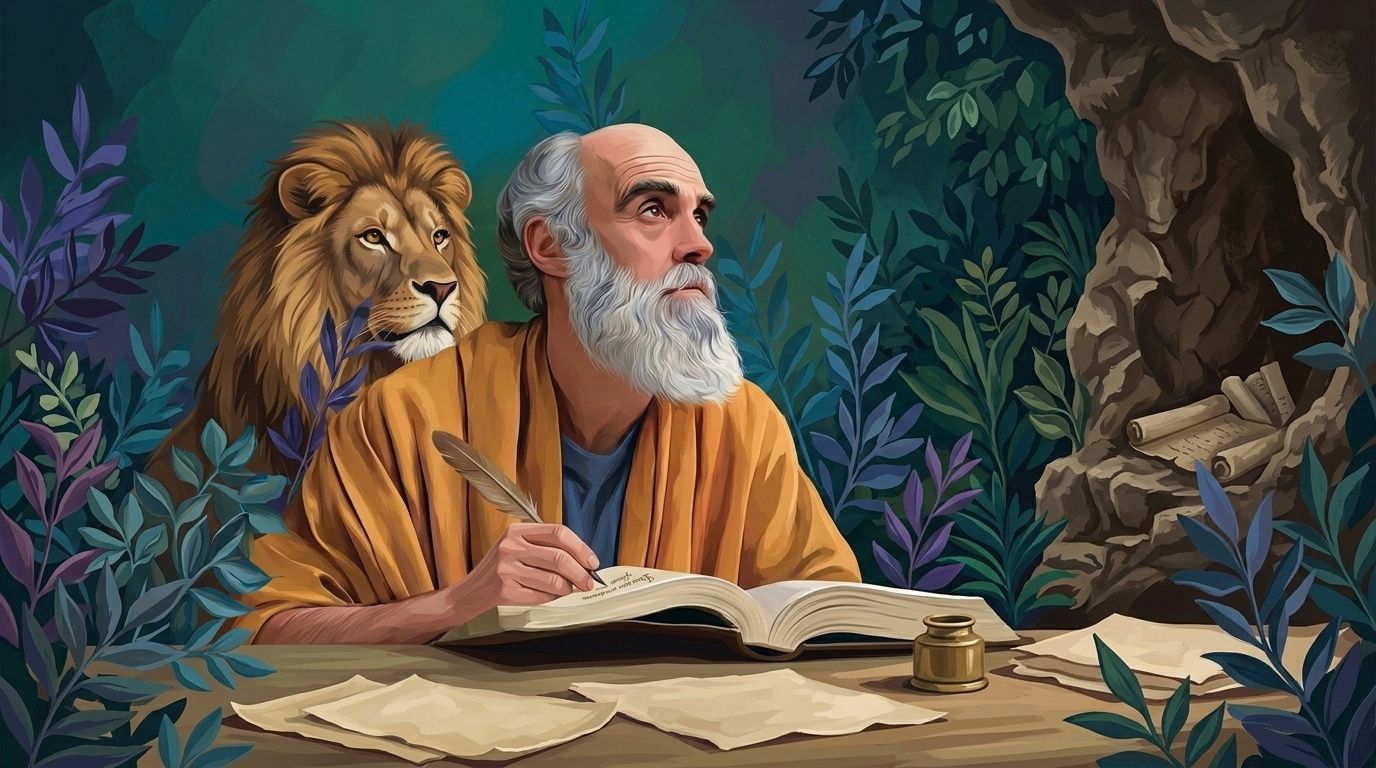
Similarly, uncertainty surrounds the specific method of his execution, with various accounts mentioning burning, stoning or beheading. Nevertheless, the Church settled firmly upon the twenty-first of September as his official liturgical commemoration date centuries ago. Today, believers venerate Matthew as patron saint of accountants, bankers, bookkeepers and tax collectors, reflecting his original profession. Additionally, he serves as patron for civil servants, security guards and even perfumers, according to certain regional traditions. His traditional artistic symbol remains a winged man, one of four evangelist symbols drawn from prophetic biblical imagery.
Matthew’s remains reportedly rest today within the cathedral of Salerno, Italy, drawing pilgrims from across the wider world. His enduring legacy, however, extends far beyond any physical relic or geographical location connected toward his story. Rather, Matthew’s transformation from despised tax collector toward faithful apostle continues inspiring believers navigating their own difficult conversions. Therefore, his feast day offers genuine encouragement, demonstrating that Christ’s call toward discipleship excludes absolutely no one, regardless of reputation. For readers wishing to explore further apostolic history, additional detail remains available through Britannica and EWTN, alongside earlier articles published on this website concerning other celebrated apostles and evangelists.






Leave a Reply