
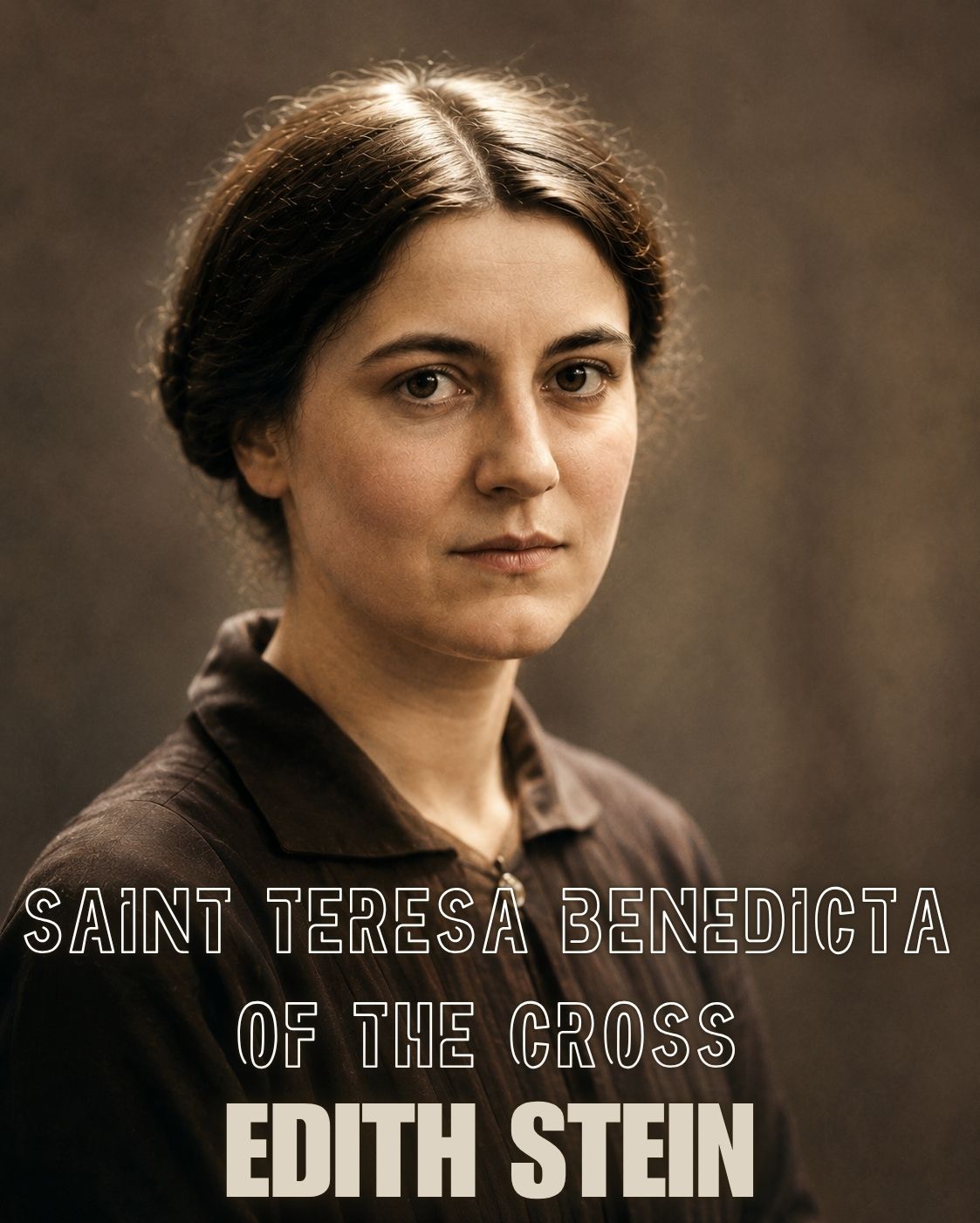
Saint Teresa Benedicta of the Cross: Feast Day and Life
Saint Teresa Benedicta of the Cross lived one of the most remarkable lives of the twentieth century, moving from academic philosophy to Catholic sainthood by way of unimaginable suffering. Born Edith Stein into a devout Jewish family, she became a respected philosopher before converting to Catholicism and eventually dying in the Auschwitz gas chambers. Her story bridges intellectual achievement, deep faith, and the darkest chapter of modern European history. This article traces her academic career, her conversion, and the martyrdom that led to her canonization.
Saint Teresa Benedicta of the Cross’s Feast Day Falls on August 9
The Catholic Church honours Saint Teresa Benedicta of the Cross every year on August 9, the date of her death at Auschwitz in 1942. Pope John Paul II beatified her in 1987 and canonized her in 1998. He later named her one of six patron saints of Europe, placing her alongside Saint Benedict of Nursia, Saint Bridget of Sweden, and Saint Catherine of Siena.
A Gifted Student Who Became an Agnostic
Edith Stein was born on October 12, 1891, in Breslau, then part of Germany, the youngest of eleven children in an observant Jewish family. Notably, she was born on Yom Kippur, a detail that made her especially cherished by her mother. Despite her mother’s strong faith and encouragement of critical thinking, Stein drifted into agnosticism during her teenage years. She proved an exceptional student nonetheless, eventually studying philosophy under Edmund Husserl at the University of Göttingen and later Freiburg, where she completed a doctoral thesis on empathy with the highest possible honours.
Interrupted Ambitions and a Life-Changing Book
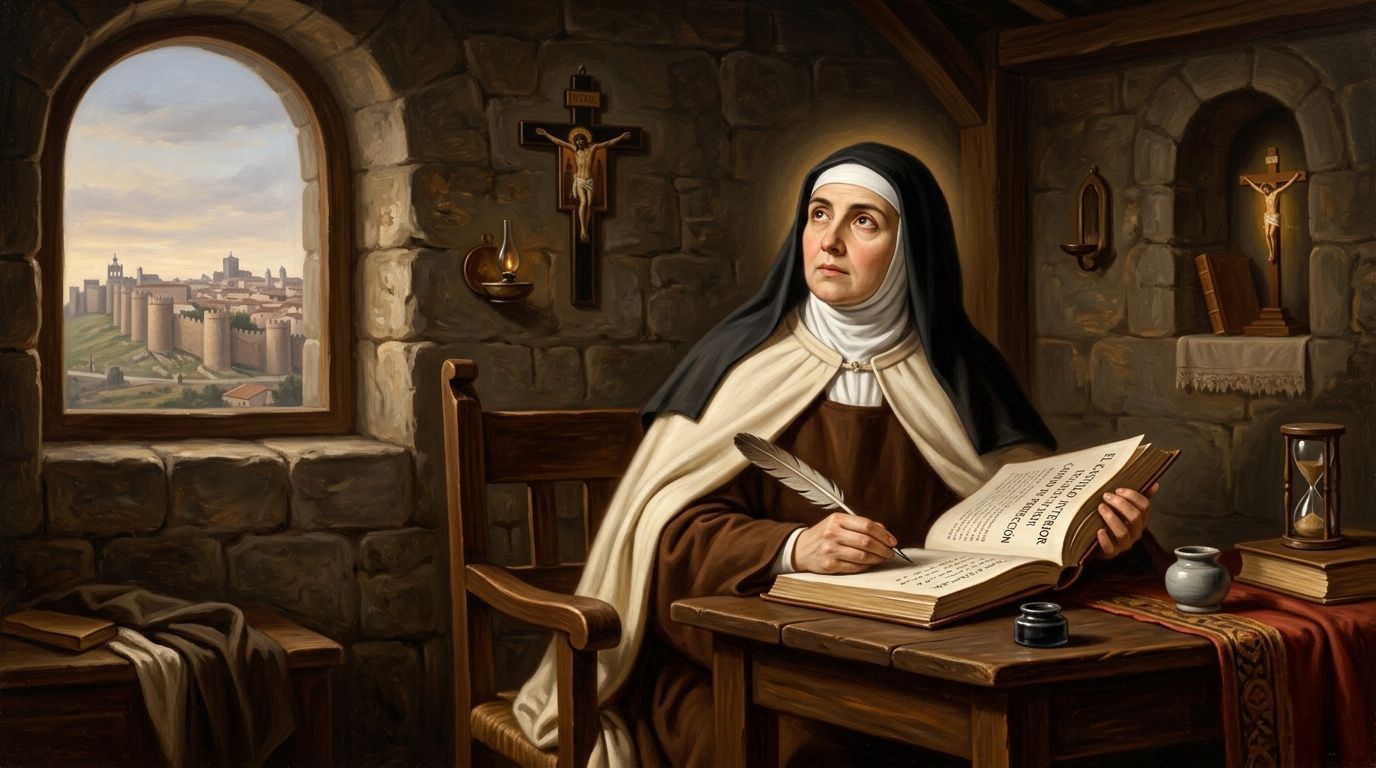
World War I interrupted Stein’s studies when she volunteered as a Red Cross nurse in 1915. She later worked as Husserl’s teaching assistant, though her attempts to formally habilitate as a professor failed largely because she was a woman. In the summer of 1921, while reading the autobiography of the mystic Teresa of Ávila, Stein experienced a profound spiritual awakening that drew her toward Catholicism. She was baptized on January 1, 1922, though her spiritual advisors initially discouraged her from entering religious life right away.
Confronting Nazism Before Entering Carmel
Stein spent years teaching at a Dominican school in Speyer, translating the works of Thomas Aquinas and eventually lecturing at a Catholic institute in Münster. Nazi antisemitic legislation forced her resignation from that post in 1933. That same year, she wrote directly to Pope Pius XI, urging him to publicly denounce the Nazi regime’s persecution of Jewish people before it worsened further. Her letter apparently went unanswered, though Pope Pius XI would later issue an encyclical criticizing Nazism in 1937. Shortly after writing to the pope, Stein entered the Discalced Carmelite monastery in Cologne, taking the religious name Teresia Benedicta a Cruce.
Saint Teresa Benedicta of the Cross Faces Growing Danger
As Nazi threats intensified, Stein’s order transferred her and her sister Rosa, also a Catholic convert, to a Carmelite monastery in Echt, Netherlands, for their safety. There she continued writing, producing her final major work on the writings of Saint John of the Cross. In 1939, she wrote a personal testament offering her life in atonement, sensing correctly that she would not survive the coming years. When Dutch bishops publicly condemned Nazi racism in a July 1942 pastoral letter, Nazi officials retaliated by ordering the arrest of all baptized Jewish converts across the Netherlands.
Arrest, Deportation, and Death at Auschwitz
Stein and her sister were arrested on August 2, 1942 and held briefly at the Amersfoort and Westerbork camps before deportation to Auschwitz. A sympathetic Dutch official reportedly offered Stein a chance to escape at Westerbork, but she firmly refused, insisting she would not abandon her fellow Jewish people during such suffering. She died in the gas chambers at Auschwitz-Birkenau on August 9, 1942, alongside her sister and hundreds of other prisoners.
From Philosopher to Canonized Saint
The miracle behind her 1998 canonization involved a young girl named Benedicta McCarthy, who recovered unexpectedly after swallowing a dangerous amount of medication, following prayers for Stein’s intercession. Her canonization sparked some public debate, since critics questioned framing her death partly around Catholic martyrdom given her Jewish heritage. The Church maintains that she died specifically because of the Dutch bishops’ moral stand against Nazi racism, which qualifies her death as true religious martyrdom. In 2024, the Discalced Carmelites formally requested that she be named a Doctor of the Church, continuing efforts to honour her theological contributions.
Why Her Legacy Still Resonates
Saint Teresa Benedicta of the Cross remains a powerful symbol of faith confronting evil directly rather than looking away. Numerous schools, museums, and memorials across Europe now bear her name, preserving both her philosophical writings and her witness against genocide. For more on her philosophical contributions, the Vatican’s official biography of Saint Teresa Benedicta offers additional reading. Readers exploring nearby August feasts can browse the complete August Saints calendar for more.

Leave a Reply