
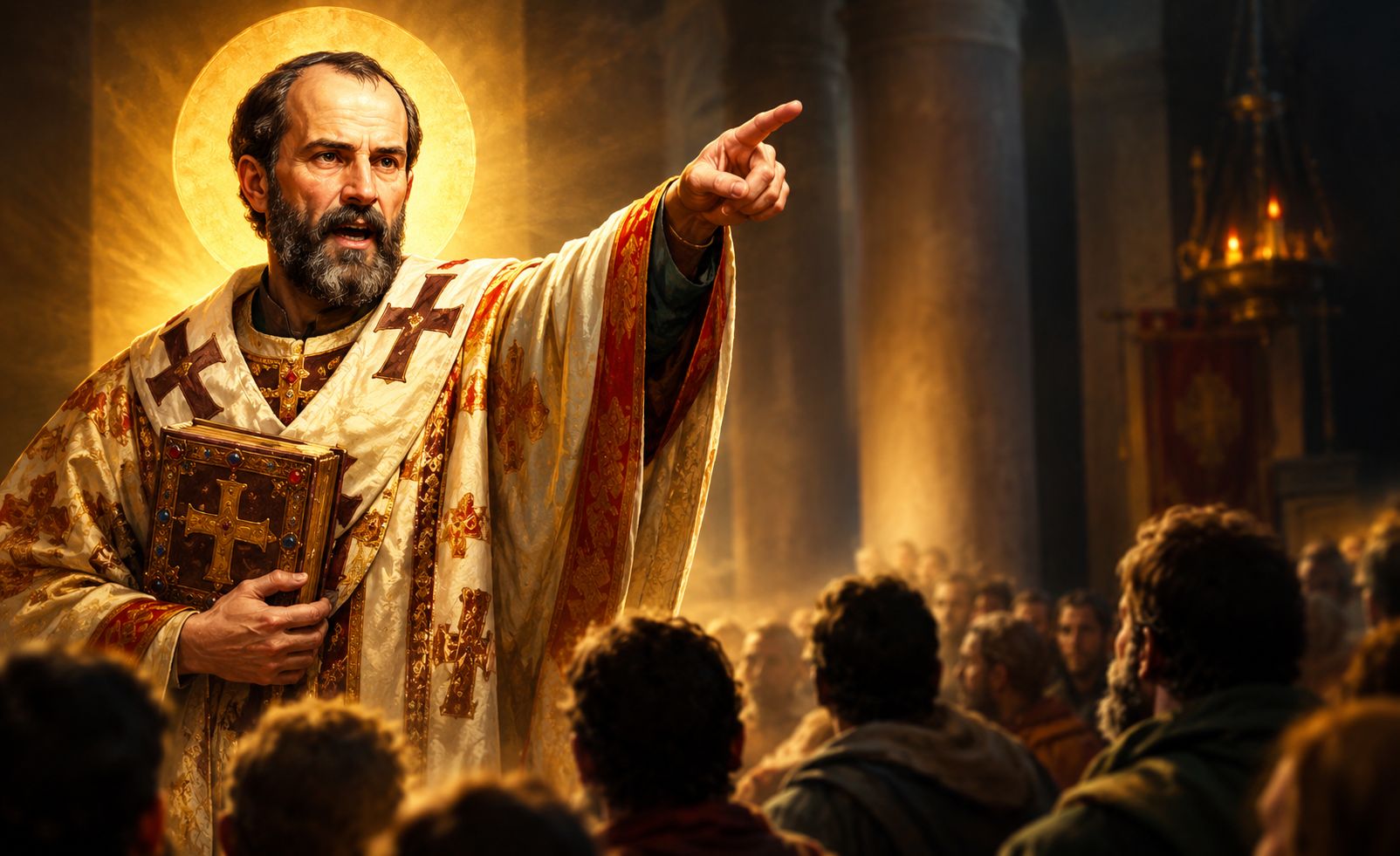
Saint John Chrysostom: The Golden-Mouthed Doctor of the Church
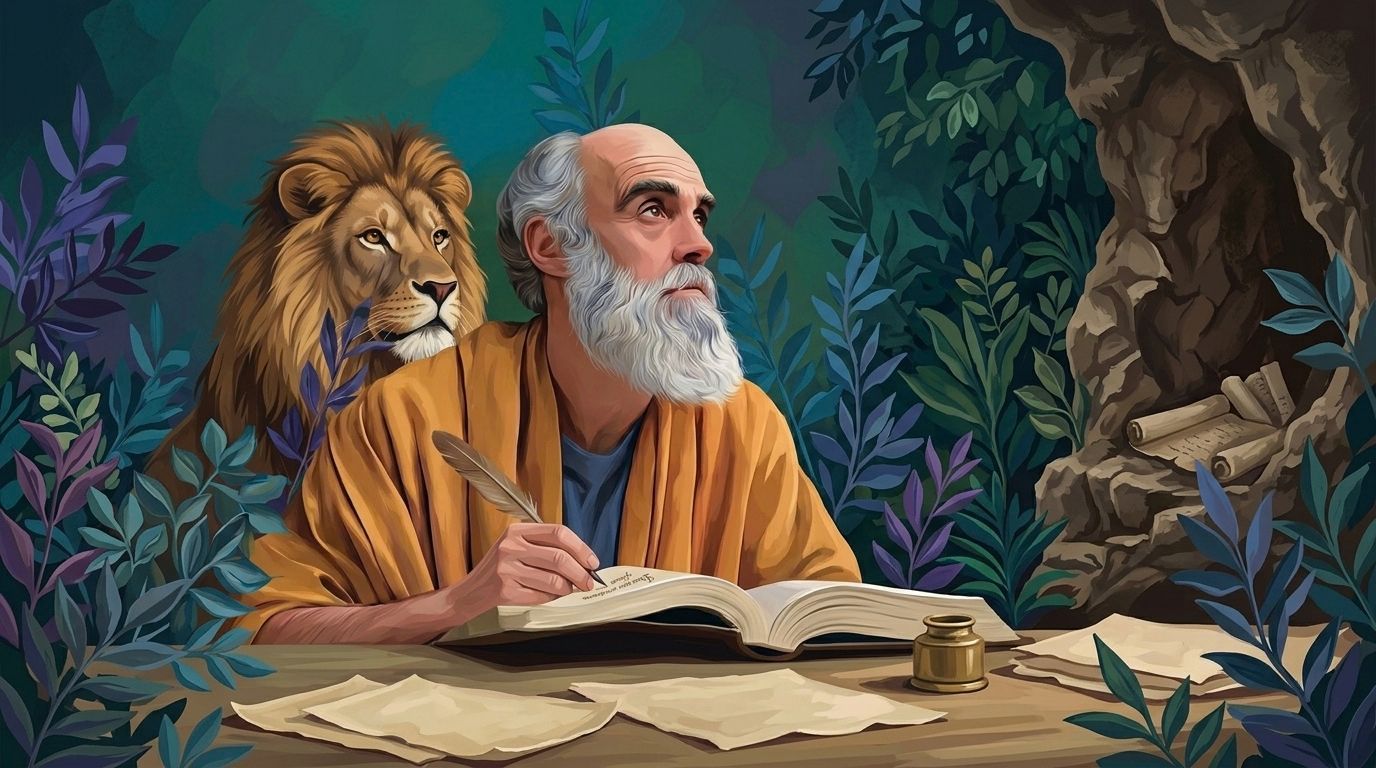
Catholics celebrate Saint John Chrysostom’s feast day on 13 September, though Eastern churches mark it on 14 September. Born around 347 in Antioch, he grew up under the care of his devout mother, Anthusa, after his father died young. Consequently, she raised him within a household shaped strongly by faith. As a young man, he studied rhetoric under Libanius, a celebrated pagan orator and briefly pursued a legal career. However, theology soon captured his heart more deeply than law ever could. Afterwards, he studied under Diodore of Tarsus before withdrawing into the mountains as a hermit around 375. There, he lived with extreme asceticism, memorising Scripture and sleeping very little. Unfortunately, this harsh lifestyle permanently damaged his health, forcing his return to Antioch by 386.
Once ordained a priest that same year, Chrysostom began preaching regularly at Antioch’s cathedral, known as the Golden Church. Indeed, his eloquence quickly earned him the nickname “Chrysostom,” meaning golden-mouthed. During Lent in 387, he delivered a remarkable series of homilies after citizens rioted against imperial statues. Remarkably, his words helped calm public anger and encouraged many pagans towards conversion. Throughout his twelve years in Antioch, he continually urged Christians towards charity, famously reminding wealthy believers that honouring Christ meant caring for the poor first.
In 397, Chrysostom became Archbishop of Constantinople, a role that brought both influence and considerable conflict. He refused extravagant banquets, founded hospitals, and challenged clergy accustomed to comfortable lifestyles. Naturally, such reforms earned him powerful enemies, including Theophilus of Alexandria and Empress Eudoxia. Tensions escalated further when Chrysostom sheltered monks fleeing Theophilus’s disciplinary actions. Consequently, his opponents convened the Synod of the Oak in 403, resulting in his temporary exile. Although public unrest forced his swift recall, peace proved short-lived. After criticising festivities surrounding a new statue of Eudoxia, he was banished once again, this time permanently.
Exiled first to Cucusus and later ordered towards the remote outpost of Pityus, Chrysostom never completed that final journey. He died at Comana Pontica on 14 September 407, reportedly uttering the words, “Glory be to God for all things.” Soon afterwards, veneration for him spread rapidly throughout the Christian world. By 438, his relics were solemnly returned to Constantinople, welcomed by large, celebratory crowds. Centuries later, in 1908, Pope Pius X formally named him patron saint of preachers, cementing his legacy within Catholic tradition.
Chrysostom left behind an extraordinary body of written work, including hundreds of sermons and numerous personal letters. His homilies on Scripture remain widely studied, particularly his reflections on the Lord’s Prayer and Christian charity. Moreover, his influence shaped Eastern liturgy significantly, lending his name to the Divine Liturgy still used today. Composers such as Rachmaninoff and Tchaikovsky later drew inspiration from this liturgical tradition, further extending his cultural reach.
However, modern scholars also examine certain writings more critically. Notably, several of his homilies condemned Jewish religious practices among Christian converts, reflecting rhetorical conventions common during his era. Similarly, one particular homily addressed same-sex relations harshly, language modern readers rightly find troubling today. Historians generally caution against reading these texts anachronistically, while still acknowledging their lasting, complicated influence. Therefore, understanding Chrysostom fully requires holding both his remarkable virtues and these difficult passages together honestly.
Ultimately, Chrysostom remains one of Christianity’s most influential preachers, remembered among the Three Holy Hierarchs and Four Great Greek Fathers. His unwavering commitment to justice, charity, and eloquent preaching continues inspiring believers across denominations today. Catholics marking his feast each September, his life offers a powerful example of courage under persecution and unwavering devotion to truth.
For related reading, see our earlier feature on Saint John Gabriel Perboyre. For further verification, consult Britannica and Catholic Online.

Leave a Reply