
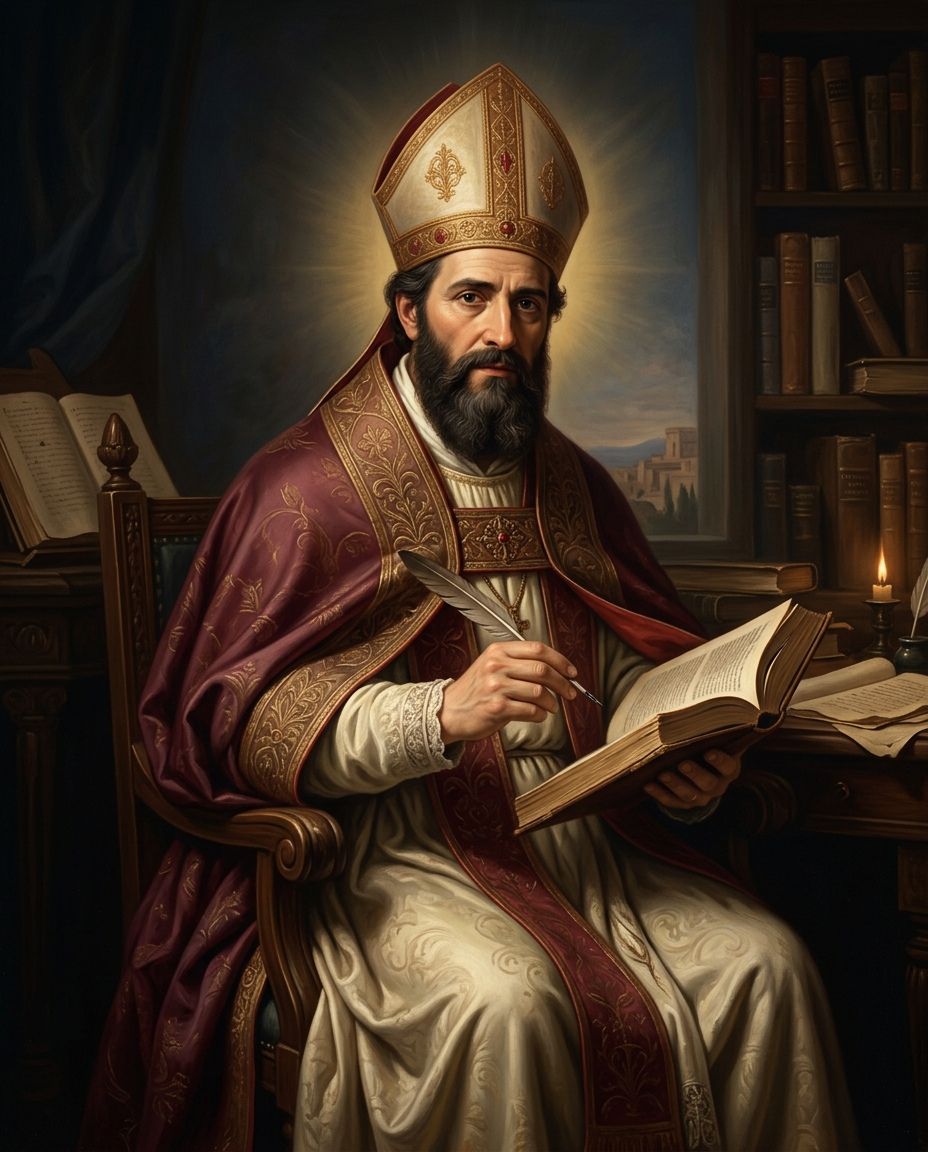
Saint Augustine of Hippo: From Restless Sinner to the Church’s Greatest Theologian
Saint Augustine of Hippo remains patron of brewers precisely because his own story began far from sainthood. Before his famous conversion, he pursued pleasure, ambition, and worldly success with genuine enthusiasm. His complete transformation still inspires anyone struggling to break free from habits they long to change.
Saint Augustine of Hippo’s Feast Day Falls on 28 August
The Church celebrates Saint Augustine of Hippo every year on 28 August, marking the anniversary of his death in 430. Pope Boniface VIII later named him a Doctor of the Church in 1298, cementing his lasting theological authority. Alongside Ambrose, Jerome, and Pope Gregory the Great, he ranks among the four Great Latin Church Fathers.
A Brilliant but Wayward Youth
Augustine was born in 354 in Thagaste, a Roman-Berber city in Numidia, now Souk Ahras, Algeria. His mother, Saint Monica, raised him within a devout Christian household, yet Augustine drifted steadily toward sin and pride. He studied rhetoric in Carthage, fathered a son named Adeodatus and spent nearly a decade following Manichaeism, a religion Monica found deeply troubling.
Despite his obvious brilliance, Augustine later admitted his impurity and arrogance blinded him to spiritual truth. He moved between Carthage, Rome, and eventually Milan, chasing academic prestige while remaining spiritually restless throughout.
The Garden Conversion That Changed Everything
In Milan, Saint Augustine of Hippo encountered Bishop Ambrose, whose preaching gradually softened his resistance to Christianity. Still, he doubted whether he could ever live a genuinely pure life. Hearing how two men had suddenly converted after reading about Saint Antony of the Desert, Augustine felt overwhelming shame and cried out to his friend Alypius about their shared spiritual failure.
Rushing into a garden, he begged God for guidance and suddenly heard a child’s voice singing, “Take up and read.” Believing this instruction came from God, he opened Saint Paul’s letters and read a passage urging him to abandon impurity entirely. That single moment permanently altered the course of his life.
From Convert to Bishop of Hippo
Ambrose baptised Augustine in Milan during 387, alongside his son Adeodatus. Tragically, Monica died shortly afterward at Ostia, and Adeodatus followed not long after. Augustine subsequently sold his inheritance, gave the proceeds to the poor, and converted his family home into a monastic community.
He was ordained a priest in 391. A few years later, he became Bishop of Hippo Regius, now Annaba, Algeria. As bishop, he preached thousands of sermons. He defended orthodox Christianity against Manichaean and Donatist heresies. He also kept a sign in his room. It read, “Here we do not speak evil of anyone.”
Enduring Theological Contributions
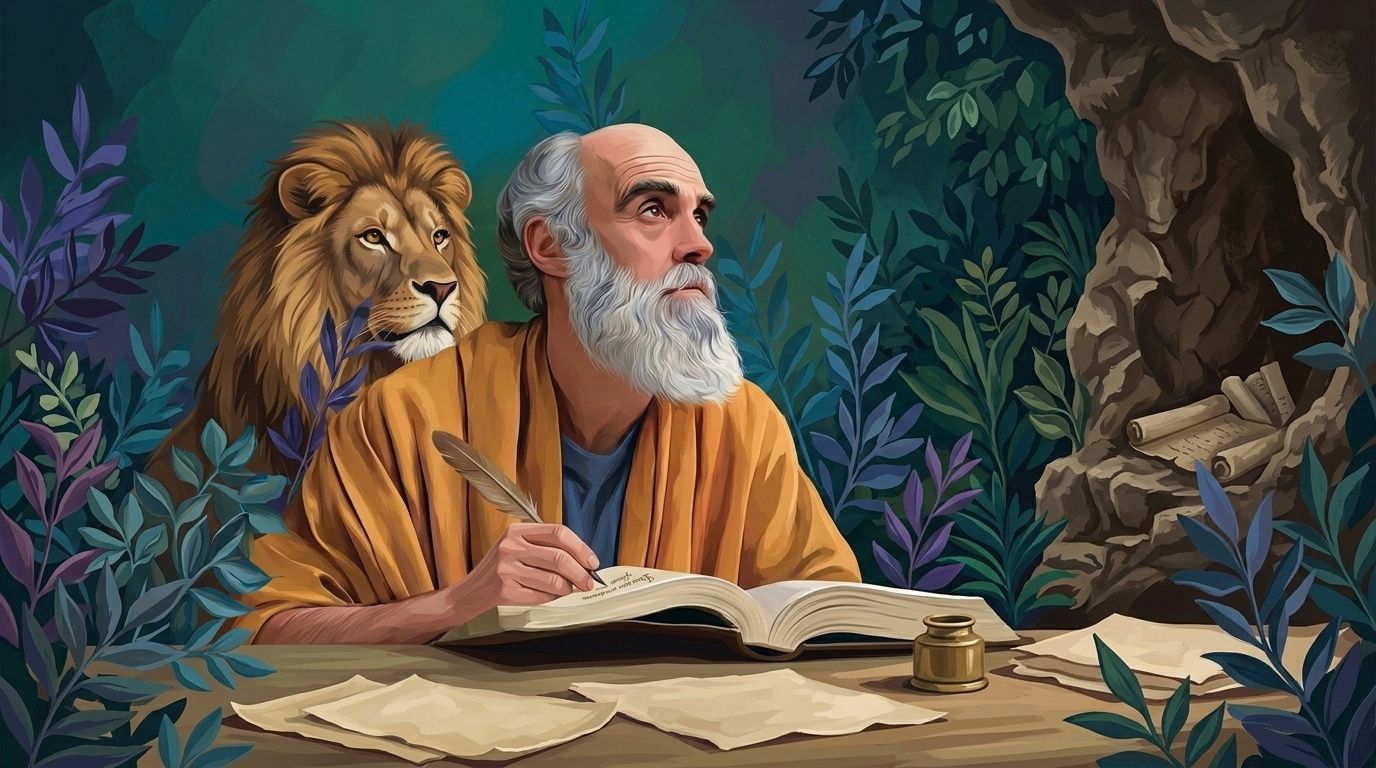
Saint Augustine of Hippo produced over one hundred separate written works, making him among the most prolific Latin authors of his era. His autobiography, Confessions, remains widely regarded as the first genuine Western autobiography, exploring memory, time and divine grace with remarkable depth. His masterwork, The City of God, offered Christians hope following Rome’s devastating sack by the Visigoths in 410.
His theology profoundly shaped later Christian thought, particularly regarding original sin, predestination and the necessity of God’s grace for salvation. Thomas Aquinas cited him more than any other author within his own influential writings, while Reformers like Luther and Calvin later drew heavily upon his teachings concerning grace and human will.
Death During Siege and Lasting Legacy
As Vandal forces besieged Hippo in 430, Augustine lay dying, spending his final days in prayer and repentance. He died on 28 August, shortly before the city eventually fell. Remarkably, invading forces left his cathedral and library completely untouched despite burning much of the surrounding city.
His remains later travelled through Sardinia before finally settling in Pavia, Italy, where a portion of his arm was eventually returned to Annaba in 1842. Today, Saint Augustine of Hippo serves as patron of brewers, printers and theologians, remaining one of Christianity’s most studied and quoted figures.
Readers wanting to explore his mother’s remarkable story can read our profile of Saint Monica, whose decades of prayer directly shaped Augustine’s eventual conversion. For deeper theological background, Britannica’s biography of Augustine offers valuable further reading.
Nearly seventeen centuries later, St Augustine of Hippo’s honest wrestling with sin, grace, and truth continues resonating with believers navigating their own spiritual struggles today.

Leave a Reply