
Understanding the Feast of the Most Holy Name of Mary
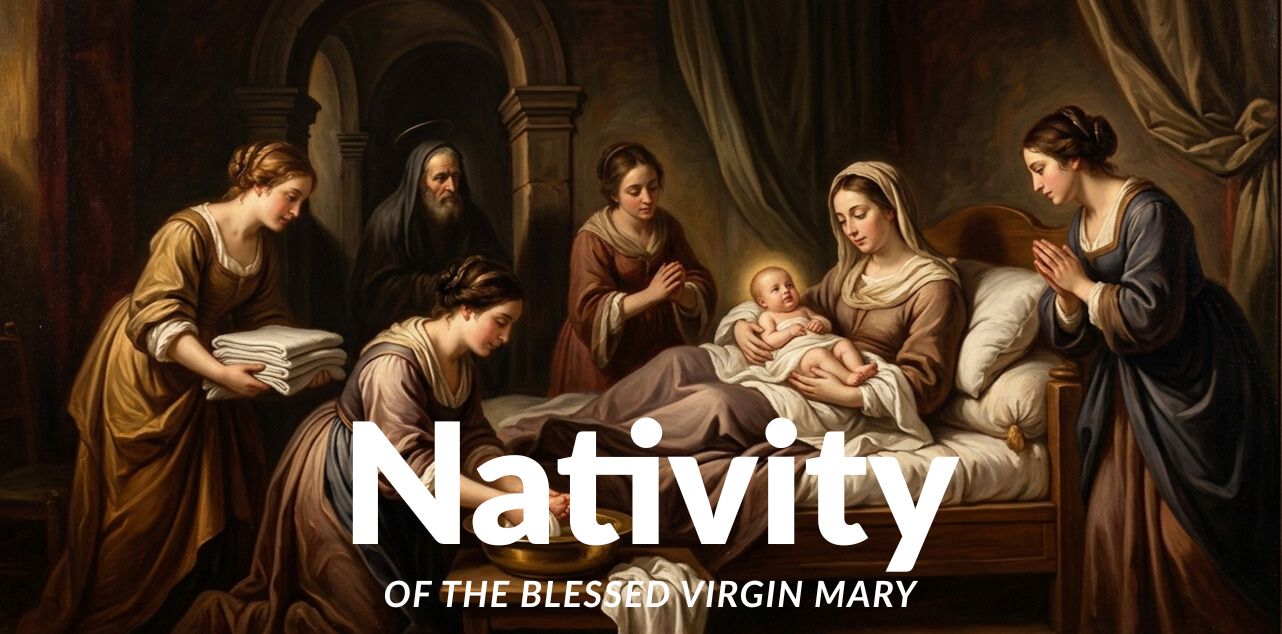
Catholics worldwide celebrate the Feast of the Most Holy Name of Mary on September 12. Notably, this date falls just four days after the Nativity of the Blessed Virgin Mary. The feast honours the name given to Mary, daughter of Saints Joachim and Anne, whose Hebrew form, Miriam, roughly means “princess” or “lady.” Consequently, this small yet significant celebration highlights just how deeply the Church venerates Mary’s identity. Interestingly, the feast has moved dates several times throughout history, reflecting centuries of evolving devotion. Therefore, understanding its origins helps explain why the Church continues honouring it today.
The celebration began locally in 1513, when Pope Julius II granted the Diocese of Cuenca, Spain, permission to observe it. Originally, the feast fell on September 15, aligning with the octave of Mary’s Nativity. However, Pope Saint Pius V later removed it during a broader liturgical reform. Fortunately, Pope Sixtus V reinstated the feast in 1587, moving it instead to 17 September. Gradually, its popularity spread across Spain and the Kingdom of Naples. Afterwards, Pope Gregory XV extended it to the Archdiocese of Toledo in 1622, while the Discalced Carmelites received permission in 1666 to recite a special Office four times yearly. By 1671, the feast had spread throughout the entire Kingdom of Spain.
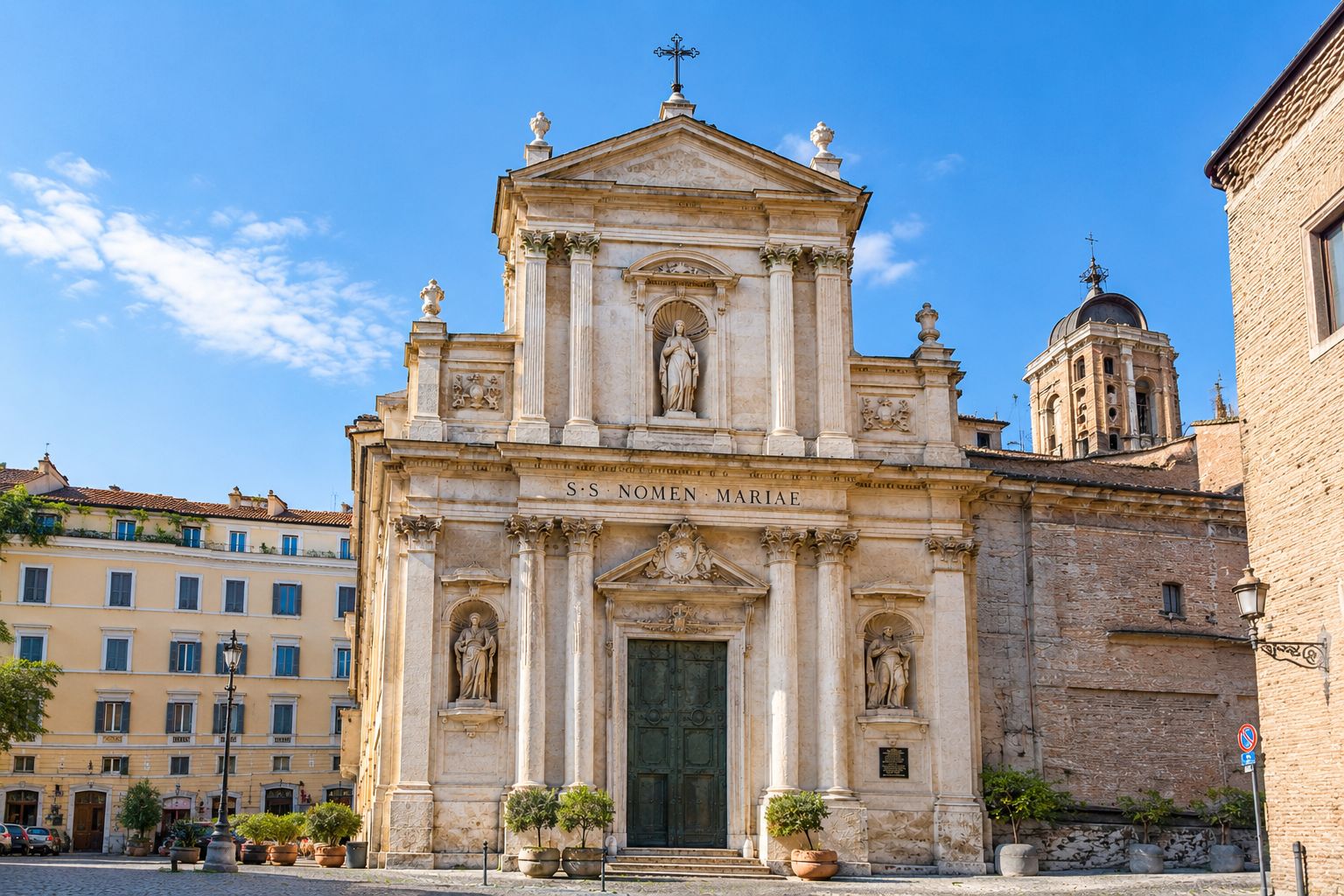
A major turning point arrived in 1683, when Christian forces led by King John Sobieski of Poland defeated Ottoman troops besieging Vienna. Grateful for what he believed was Mary’s intercession, Pope Innocent XI extended the feast to the entire Church the following year. Consequently, the Feast of the Most Holy Name of Mary became permanently linked with this historic military victory. In Rome, worshippers even built a church, Santissimo Nome di Maria, near Trajan’s Forum to commemorate the triumph.
Later, in 1911, Pope Saint Pius X moved the celebration once more, settling it firmly on September 12. This adjustment avoided confusion with the nearby Nativity feast, ensuring each celebration received proper attention. Following the Second Vatican Council, liturgical reforms removed the feast from the universal calendar entirely, though its votive Mass remained available. Nevertheless, Pope John Paul II restored it in 2002, reinstating it as an optional memorial alongside the Feast of the Holy Name of Jesus.
Throughout history, several saints strongly promoted devotion to Mary’s name. Saint Bernard of Clairvaux famously taught that invoking Mary’s name alone could put demons to flight. Similarly, Saint Anthony of Padua and Saint Alphonsus Liguori encouraged frequent recourse to her intercession through this simple invocation. Furthermore, many religious orders, including the Cistercians, traditionally include “Mary” within members’ religious names as a sign of devotion and trust.
Scholars continue debating the precise meaning behind Mary’s Hebrew name. Some traditional sources suggest it relates to bitterness or sorrow, reflecting later suffering associated with the Crucifixion. However, modern philological research offers gentler interpretations, suggesting meanings like “beautiful one” or “exalted lady.” Either way, the name’s spiritual significance remains unmistakable within Catholic tradition. Consequently, believers continue treating it as a name deserving reverence, gratitude and constant invocation.
Today, this feast invites Catholics to reflect on Mary’s unique role within salvation history. Her name appears twice within the Hail Mary, reinforcing its constant presence throughout daily prayer. Moreover, the feast reminds believers that honouring someone’s name reflects honouring the person themselves, a principle rooted deeply in biblical tradition. Ultimately, celebrating Mary’s name each September reaffirms her enduring place within the hearts of the faithful worldwide.
For related reading, see our earlier feature on why Catholics celebrate Mary’s birthday on September 8. For further verification, consult Catholic Straight Answers.
Leave a Reply