
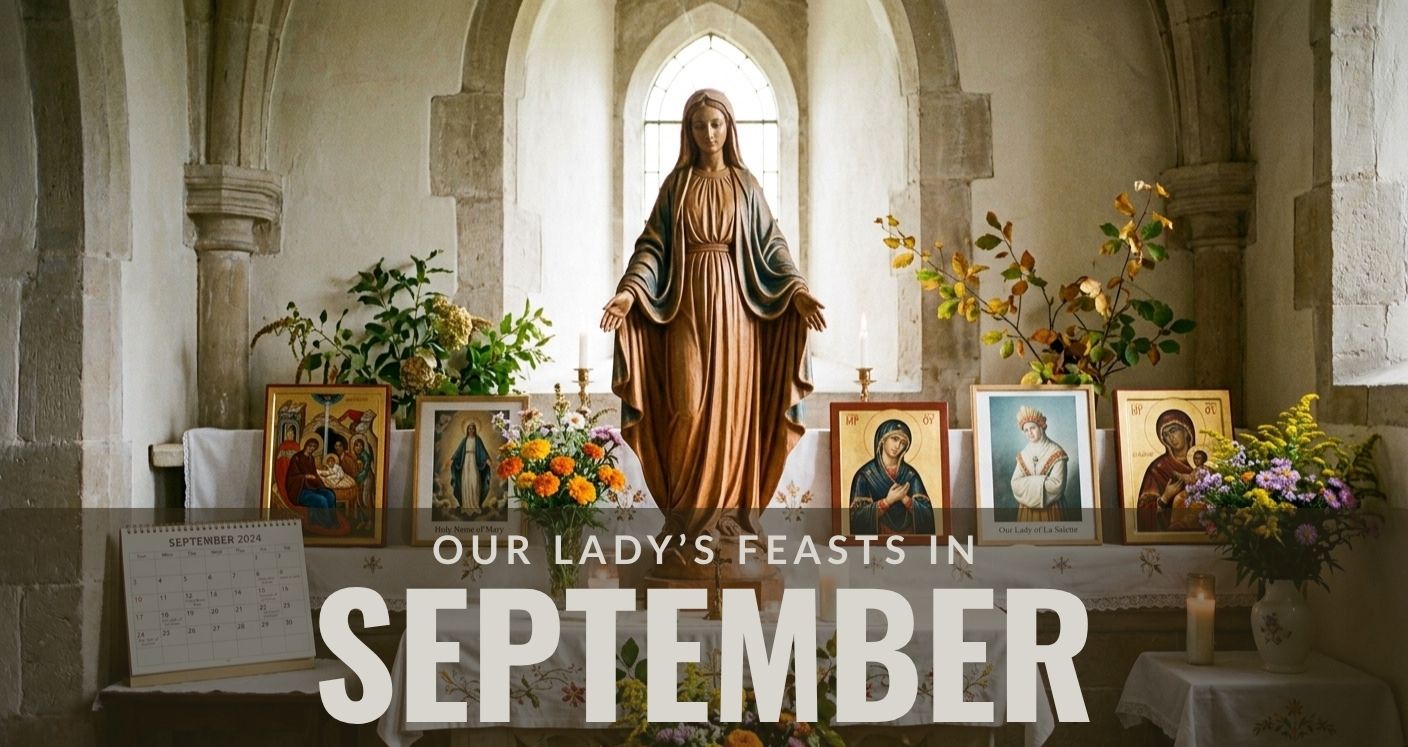
Our Lady’s Feast Days in September Offer a Rich Month of Marian Devotion
September stands out as a genuinely significant month within the Catholic liturgical calendar, since it contains several important Marian celebrations. Believers mark Our Lady’s Nativity on the 8th, her Holy Name on the 12th, and her Seven Sorrows on the 15th. Additionally, many dioceses also honour Our Lady of La Salette on the 19th, alongside Our Lady of Ransom later in the month. Consequently, this single month offers Catholics an unusually rich opportunity for sustained Marian reflection and devotion. Therefore, understanding each individual feast helps believers appreciate the full depth of September’s Marian calendar.
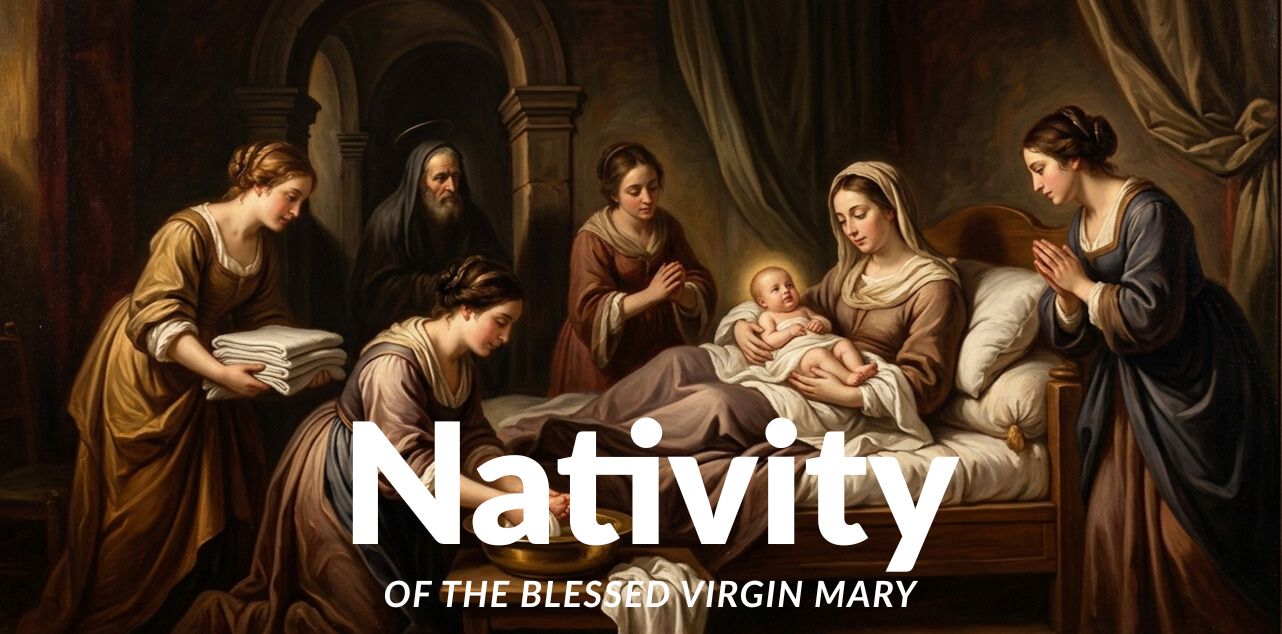
Nativity of the Blessed Virgin Mary – September 8. This feast celebrates Mary’s birth, following ancient tradition surrounding her parents, Saints Joachim and Anne. Interestingly, this date falls exactly nine months after the Immaculate Conception, celebrated each December. Eastern Christians began observing this feast first, and Rome later adopted it firmly by the seventh century. Consequently, many parishes host joyful celebrations, since her birth itself points hopefully toward humanity’s eventual salvation.
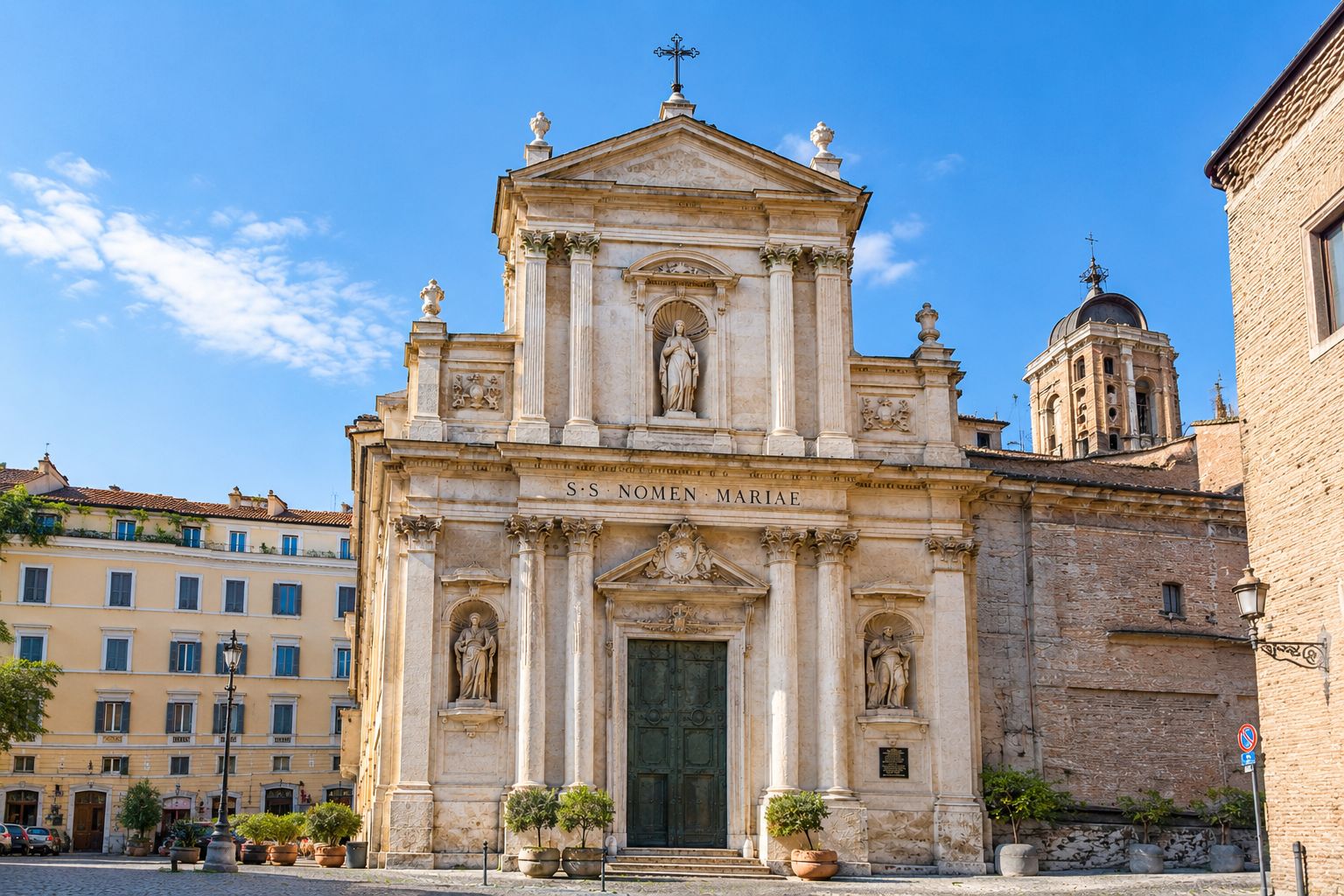
Feast of the Most Holy Name of Mary – September 12. This lesser-known feast honours the name Mary itself, believed to mean “star of the sea” or similar variations. Pope Innocent the Eleventh established it in 1683, commemorating a significant military victory attributed to Marian intercession. Although less widely celebrated than other Marian feasts, it nevertheless carries genuine historical and devotional significance for many believers.
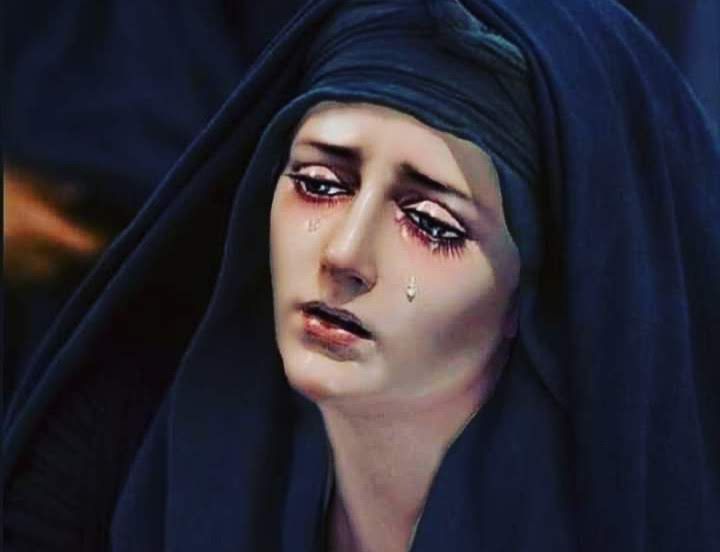
Our Lady of Sorrows – September 15. Perhaps the month’s most solemn feast, this commemoration follows immediately after the Exaltation of the Holy Cross. Consequently, believers meditate specifically upon Mary’s seven sorrows, from Simeon’s prophecy through witnessing her son’s crucifixion. Many parishes encourage praying the Seven Sorrows Rosary during this period, alongside singing the ancient Stabat Mater hymn. This feast, therefore, invites deep reflection upon Mary’s compassionate suffering alongside Christ throughout his entire earthly mission.
Our Lady of La Salette – September 19. Although not included within the universal Roman calendar, many dioceses still honour this significant nineteenth-century apparition. In 1846, two French shepherd children reported meeting a weeping woman within the Alps, delivering an urgent message of repentance. Consequently, devotion toward Our Lady of La Salette spread widely, particularly following the bishop’s formal approval in 1851. Her message, centred upon reconciliation, continues resonating with believers concerned about widespread spiritual complacency today.
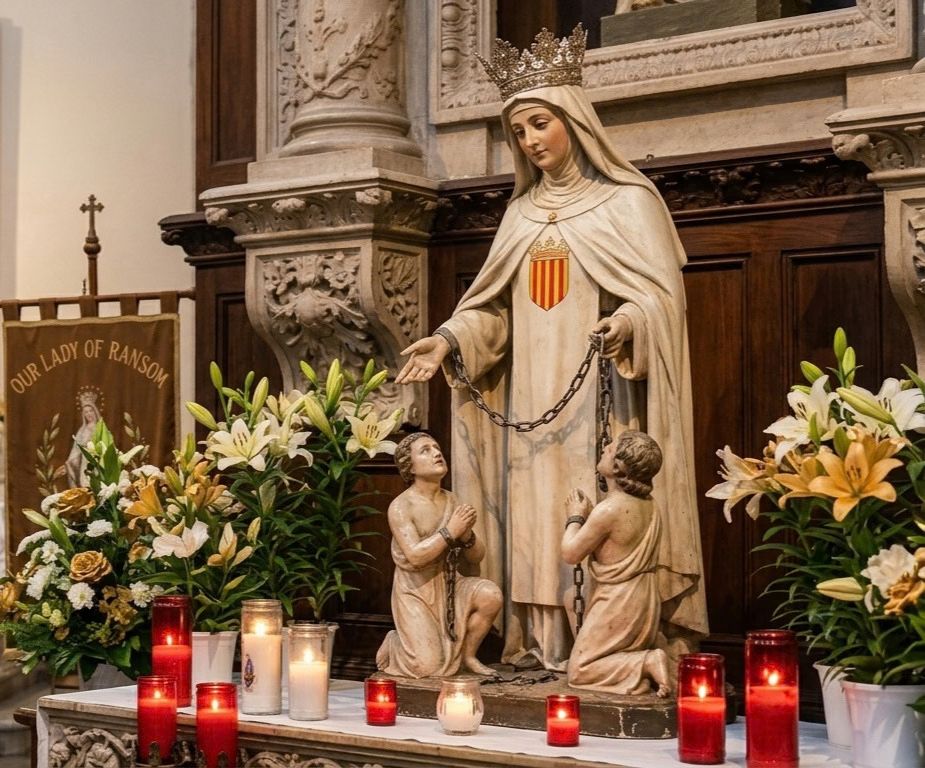
24 September: Our Lady of Ransom, also called Our Lady of Mercy. This feast commemorates the founding of the Mercedarian Order, established specifically to ransom Christian captives during medieval times. According to tradition, Mary appeared personally to Saint Peter Nolasco, encouraging him toward this compassionate, sacrificial mission. Pope Benedict the Thirteenth later extended this feast throughout the entire Latin Church during 1696. Consequently, believers today invoke Our Lady of Ransom particularly on behalf of prisoners, captives and those experiencing genuine oppression.
Beyond these formally recognised feasts, numerous local shrines and communities also celebrate additional Marian titles throughout September. For instance, certain regions honour Our Lady of Zell in Austria, alongside Our Lady of Guadalupe’s Spanish shrine, during mid-September. Furthermore, various historical apparitions and miraculous images receive local commemoration, reflecting Catholicism’s genuinely global and culturally diverse Marian devotion. Therefore, believers travelling internationally might encounter additional Marian feasts specific to particular countries or dioceses. Nevertheless, the four major celebrations outlined above remain the most widely recognised across the universal Church.
This concentration of Marian feasts within a single month is far from accidental or coincidental. Rather, September’s placement, following closely behind the Exaltation of the Holy Cross, deliberately connects Mary’s own story toward Christ’s redemptive mission. Consequently, believers naturally progress from celebrating her joyful birth toward contemplating her profound sorrow alongside her crucified son. This liturgical arrangement therefore offers a genuinely coherent spiritual journey, rather than merely scattered, unrelated commemorations throughout the calendar. Many parishes design entire catechetical programmes around this rich September sequence, helping deepen parishioners’ Marian devotion considerably.
For families seeking practical ways to observe these celebrations, several simple options exist within ordinary daily life. Praying a daily Rosary throughout September remains one particularly accessible, time-honoured practice among devoted Catholic households. Additionally, families might read scripture passages connected toward each specific feast, discussing their meaning together during evening prayer. Some parishes also organise processions, novenas or special Masses, particularly surrounding the fifteenth of September. Therefore, believers genuinely interested in deepening their Marian devotion have abundant opportunities available throughout this particular month.
Ultimately, Our Lady’s Feast Days in September collectively offer Catholics a genuinely comprehensive portrait of Mary’s role within salvation history. From her humble birth through her sorrowful compassion, each celebration illuminates a different facet of her remarkable life. For readers wishing to explore individual feasts further, additional detail remains available through Vatican News and Catholic Culture’s liturgical calendar, alongside earlier articles published on this website concerning the Feast of Our Lady of Sorrows and Our Lady of La Salette.

Leave a Reply