
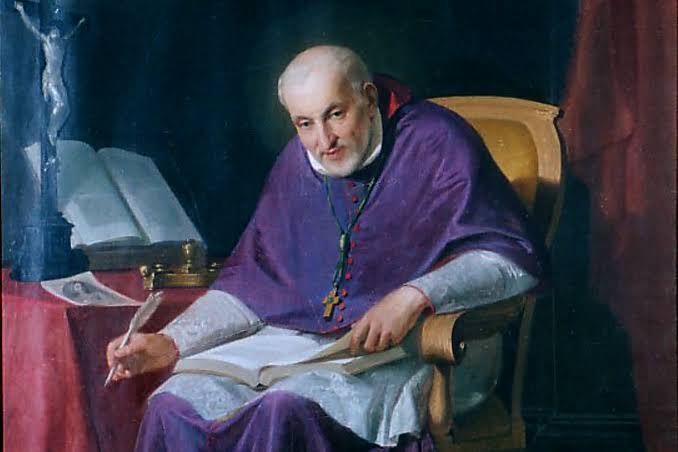
Image Credit: Redemptorists International
Saint Alphonsus Liguori: Feast Day, Life, and Legacy
Saint Alphonsus Liguori built one of the most influential religious congregations in Church history, despite facing setbacks that would have discouraged most founders. Born into wealth and legal success, he walked away from a promising career to serve the rural poor of southern Italy instead. His writings on moral theology still shape Catholic teaching today, centuries after his death.
Saint Alphonsus Liguori’s Feast Day Falls on August 1
The Catholic Church honours Saint Alphonsus Liguori every year on August 1, the anniversary of his death in 1787. He died peacefully at Nocera di Pagani, near Naples, as the Angelus bell rang that afternoon. The Church beatified him in 1816 and canonized him in 1839 and Pope Pius IX later declared him a Doctor of the Church in 1871.
A Privileged Childhood Turned Toward Faith
Alphonsus Marie Antony John Cosmos Damien Michael Gaspard de Liguori was born on September 27, 1696, near Naples, Italy. His father, Don Joseph, served as a naval officer and captain of the Royal Galleys, while his devout mother raised all seven children in a household shaped by regular prayer. Alphonsus studied at the University of Naples and earned his doctorate at just sixteen years old. By nineteen, he was already practicing law with real success.
Saint Alphonsus Liguori Leaves the Courtroom for God
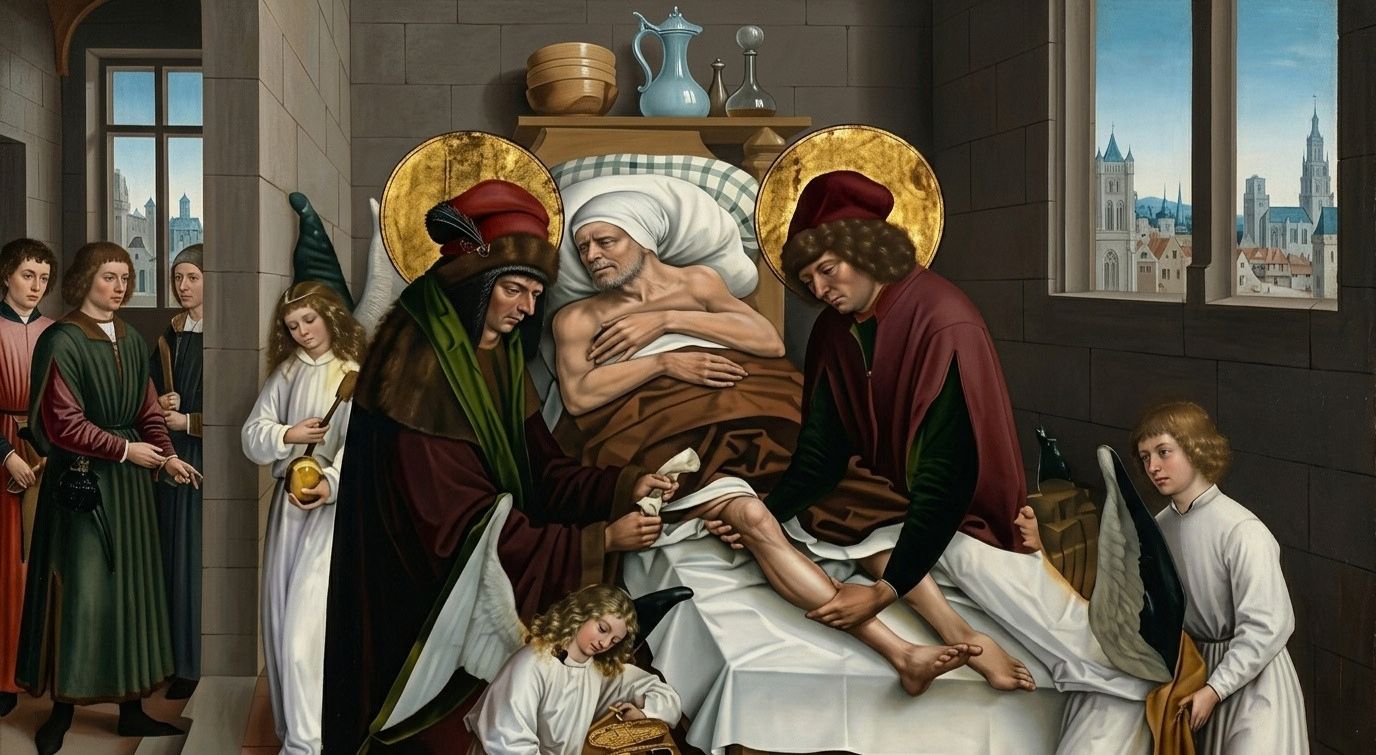
Despite his early achievements, Alphonsus grew increasingly aware of how quickly worldly success could fade. In August 1723, he visited the Hospital for Incurables in Naples and experienced a vision that convinced him to consecrate his life entirely to God. His family resisted this decision fiercely, yet Alphonsus eventually agreed to become a priest while still living at home among a group of secular missionaries. He was ordained on December 21, 1726 and spent the next six years preaching missions throughout the Naples countryside.
Founding the Congregation of the Most Holy Redeemer
In 1729, Alphonsus moved to the Chiflese College in Naples, where he met Bishop Thomas Falcoia and a mystic named Sister Mary Celeste. Their friendship and guidance helped him found the Congregation of the Most Holy Redeemer, known today as the Redemptorists, on November 9, 1732. The new community nearly collapsed within its first year, since most of his original companions left to start a separate group, leaving Alphonsus with only a single lay brother. He rebuilt from that setback, recruiting new members and eventually leading two congregations, one for men and one for women, by 1743. Pope Benedict XIV formally approved the men’s branch in 1749 and the women’s branch the following year.
Bishop of a Neglected Diocese
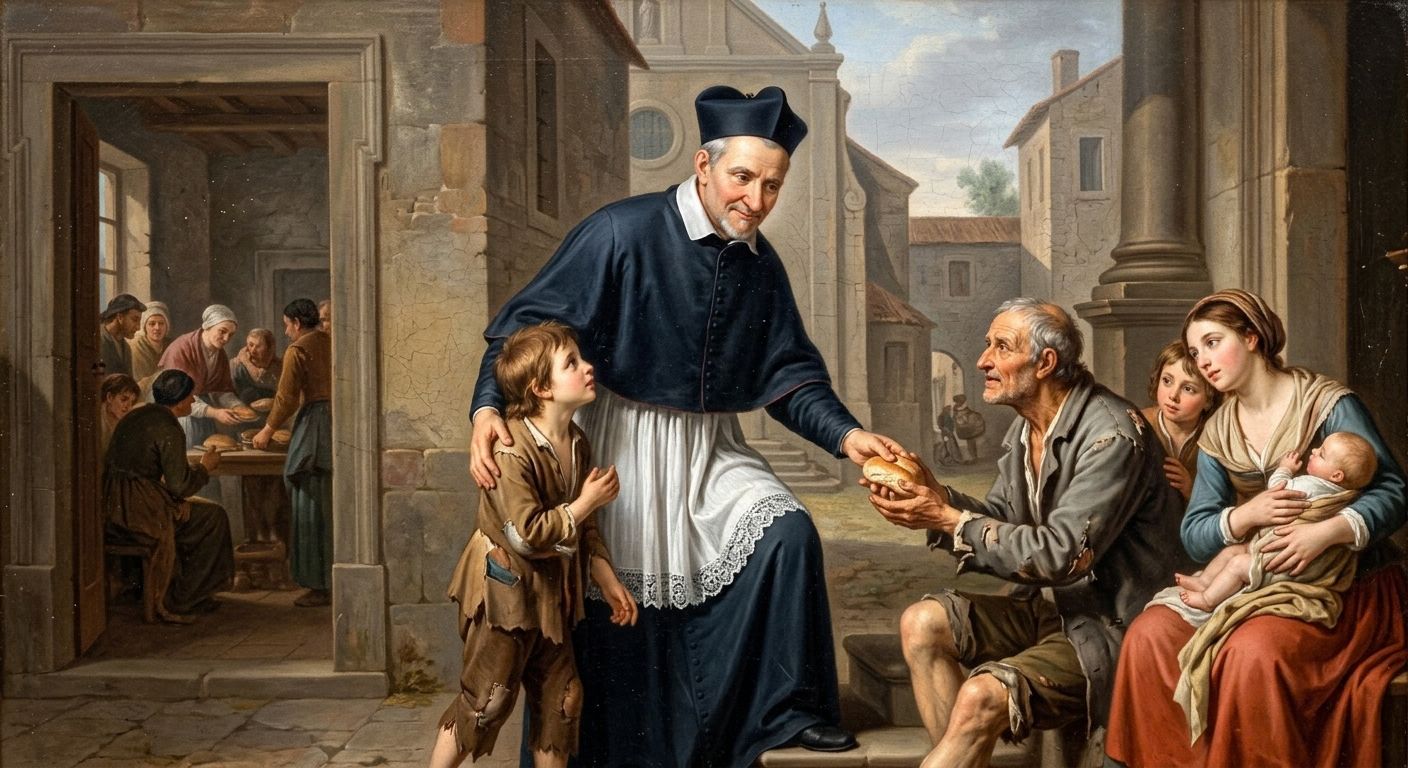
Alphonsus refused an offer to become Bishop of Palermo, preferring his missionary work among the rural poor. In 1762, however, papal authority left him no choice but to accept leadership of the Diocese of St. Agatha of the Goths near Naples. He found more than thirty thousand faithful with little religious instruction, alongside roughly four hundred priests he considered indifferent to their calling. For thirteen years, Alphonsus fed the poor, reorganized the seminary, taught theology, and instructed families directly. His personal austerities were severe and worsening rheumatism gradually bent his body forward, at times forcing him to drink through tubes.
Illness, Betrayal, and Enduring Faith
An attack of rheumatic fever between 1768 and 1769 left Alphonsus completely paralyzed, yet Church authorities refused to accept his resignation until 1775. Further hardship followed in 1780, when he was tricked into signing a submission that altered his congregation’s founding rule under royal pressure. That signature cost him all authority among the Redemptorists, and he found himself deposed from the very community he had built. Despite deep personal anguish, Alphonsus overcame this trial through prayer, reportedly experiencing visions, performing miracles, and offering prophecies in his final years.
The Lasting Legacy of Saint Alphonsus Liguori
Saint Alphonsus Liguori left behind an extensive body of writing on moral and ascetic theology, most notably his influential Moral Theology and his popular devotional work, The Glories of Mary. The Church today honours him as patron of confessors, moral theologians and the lay apostolate, and his tomb near Naples remains a site of pilgrimage. Readers exploring other August feasts can browse the complete August Saints calendar for more.



Leave a Reply