
The Real Duke Behind the Christmas Carol
The Catholic Church honours Saint Wenceslaus annually on September 28, marking the day of his violent death. In the Czech Republic, this date also serves as a public holiday, called Czech Statehood Day, since the year 2000. Consequently, believers and citizens alike pause annually to remember this young duke, who became the nation’s beloved patron. Furthermore, most English speakers know him only through the Christmas carol “Good King Wenceslas,” which barely reflects his real story. Therefore, exploring his actual life reveals a far more dramatic tale of faith, politics and family betrayal.
Wenceslaus was born around 907, probably near Stochov in Bohemia, into the powerful Přemyslid dynasty. His father, Vratislaus I, was a Christian duke, while his mother, Drahomíra, remained a committed pagan. Consequently, his grandmother, Saint Ludmila, took charge of his early Christian education, teaching him the faith carefully. Sadly, Vratislaus died when Wenceslaus was only about 13, leaving the young heir suddenly vulnerable. Ludmila then served as regent, yet assassins murdered her on September 15, 921, at Tetín Castle, reportedly acting on Drahomíra’s behalf.
Eventually, Bohemian nobles urged Wenceslaus to take power himself, and he assumed control despite his mother’s hostility toward Christianity. Once in charge, he actively strengthened the Church within his duchy, inviting German priests to serve local communities. Additionally, he favoured the Latin liturgy over the fading Slavic rite, which had lost many clergy. He also began building a church in Prague, dedicated to Saint Vitus, after acquiring a relic of that martyr. This church later grew into today’s magnificent Saint Vitus Cathedral, still dominating the Prague skyline.
Wenceslaus faced serious political pressure alongside his religious reforms. Around 929, a joint force led by Duke Arnulf of Bavaria and King Henry I the Fowler marched into Bohemia. Consequently, Wenceslaus agreed to pay tribute, placing his duchy under German protection, a decision that angered many local nobles. Meanwhile, contemporaries described him as devout, generous and disciplined, and tradition says he took a vow of chastity. Nevertheless, his pro-Christian policies and German alliance created powerful enemies within his own family and court.
These opposing nobles eventually rallied behind his younger brother, Boleslaus, who resented Wenceslaus’ authority. According to tradition, Boleslaus invited his brother to celebrate the feast of Saints Cosmas and Damian at Stará Boleslav. Wenceslaus accepted, attended the celebrations peacefully, and stayed overnight, trusting his brother’s hospitality completely. The following morning, as church bells rang for Matins, he rose and walked toward the church. There, Boleslaus and several accomplices attacked him, and assassins killed the duke at the church door.
Historians still debate the exact year of this murder, since sources point either toward 929 or 935. Most scholars now favour 935, which would make Wenceslaus roughly 28 years old when he died. Tradition holds that he forgave his brother even as he fell, and he was immediately venerated as a martyr. Boleslaus, reportedly shaken by miracles attributed to his brother, later repented of the crime. Consequently, about three years afterwards, he ordered Wenceslaus’s remains carried solemnly to Saint Vitus’s church in Prague.
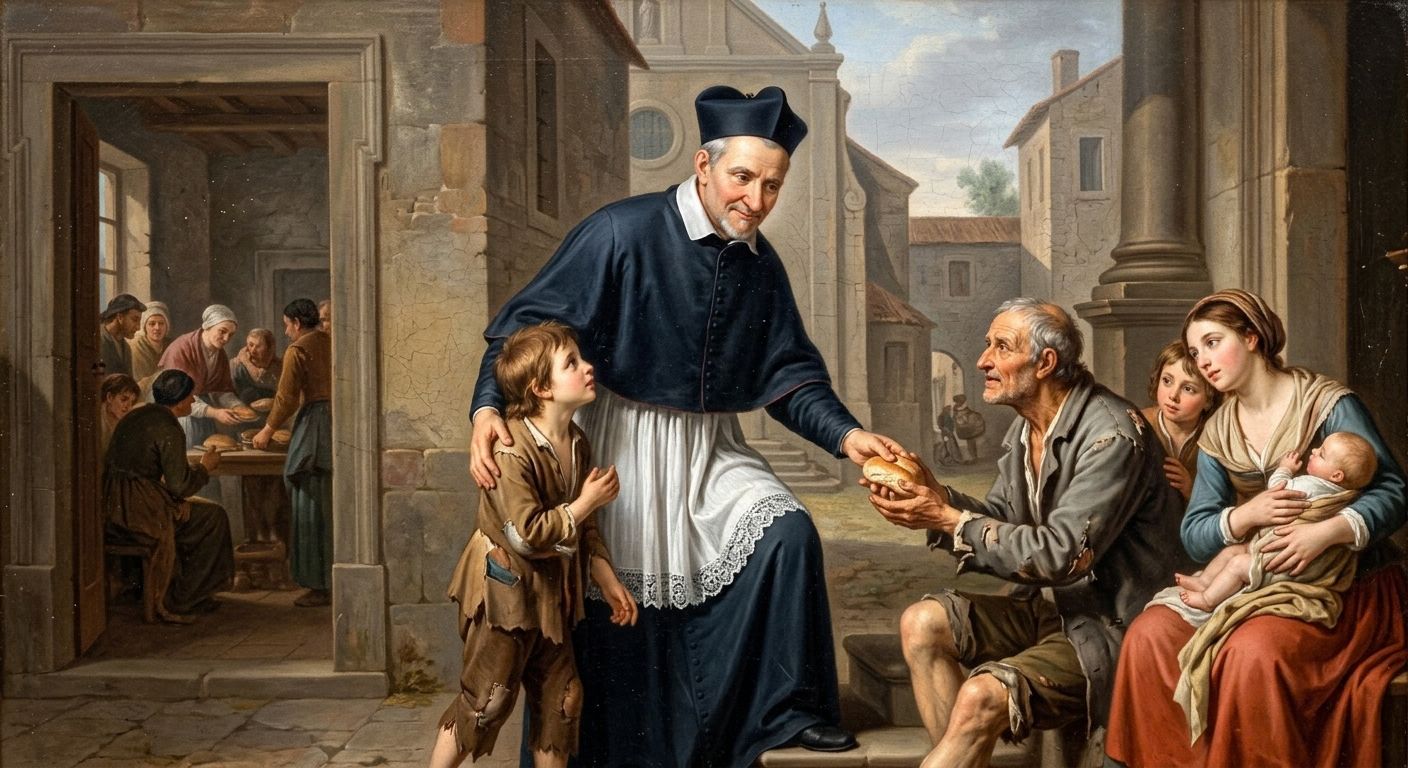
Wenceslaus’s reputation grew rapidly following these events, and his feast was celebrated across Bohemia by 984. Holy Roman Emperor Otto I later posthumously granted him the title of king, which explains the carol’s wording. Interestingly, the famous carol itself dates only from 1853, when John Mason Neale wrote its English lyrics. Its melody, however, comes from a much older spring song, having nothing originally to do with Christmas. The story describes the duke and his page bringing food and firewood to a poor peasant on Saint Stephen’s Day.
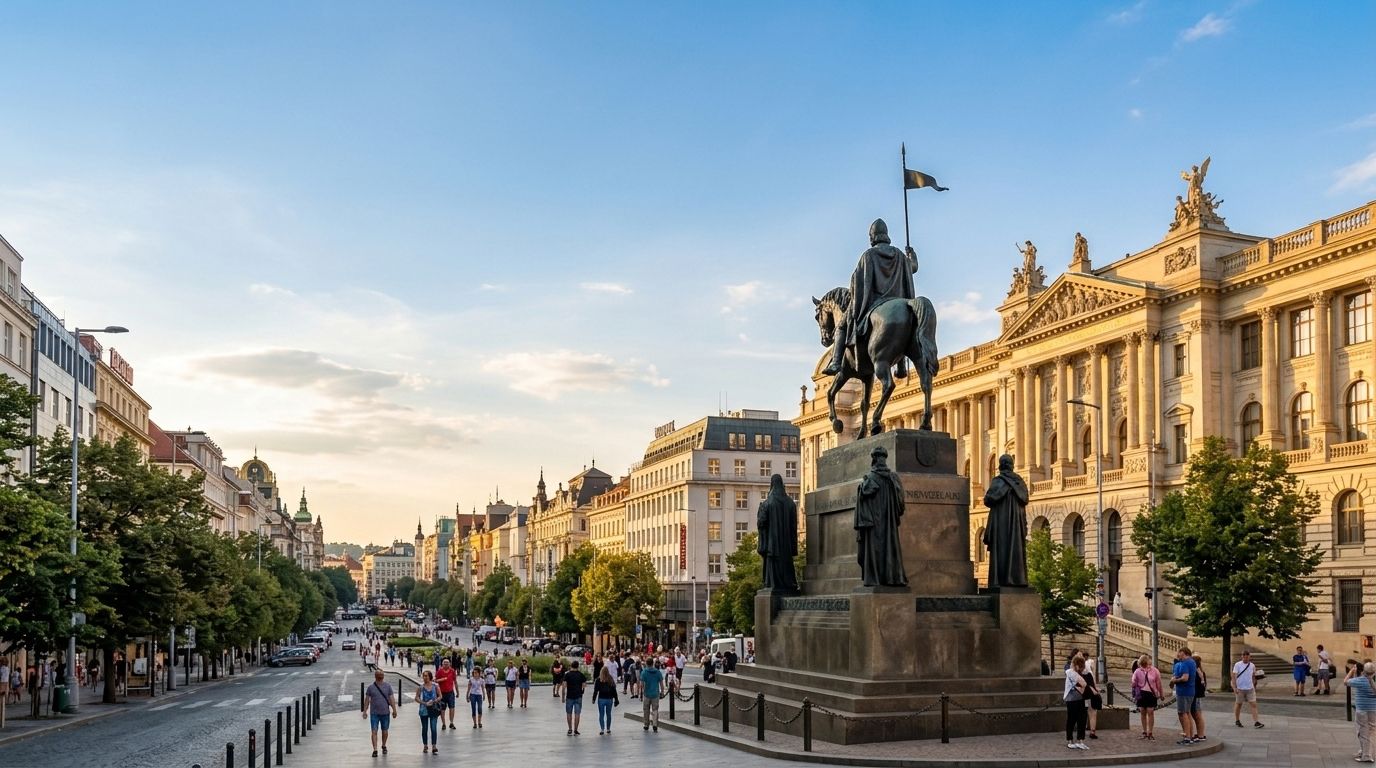
Today, Wenceslaus remains patron of the Czech Republic, Bohemia and Prague, where his statue dominates Wenceslas Square. Sadly, his feast day also carries a darker historical footnote, since on September 28, 995, Boleslaus II massacred the rival Slavník family. This attack occurred precisely sixty years after Wenceslaus’s murder, while that family celebrated his feast day in their fortress. Nevertheless, his enduring legacy rests primarily upon his reputation for charity, faithfulness and courageous forgiveness.
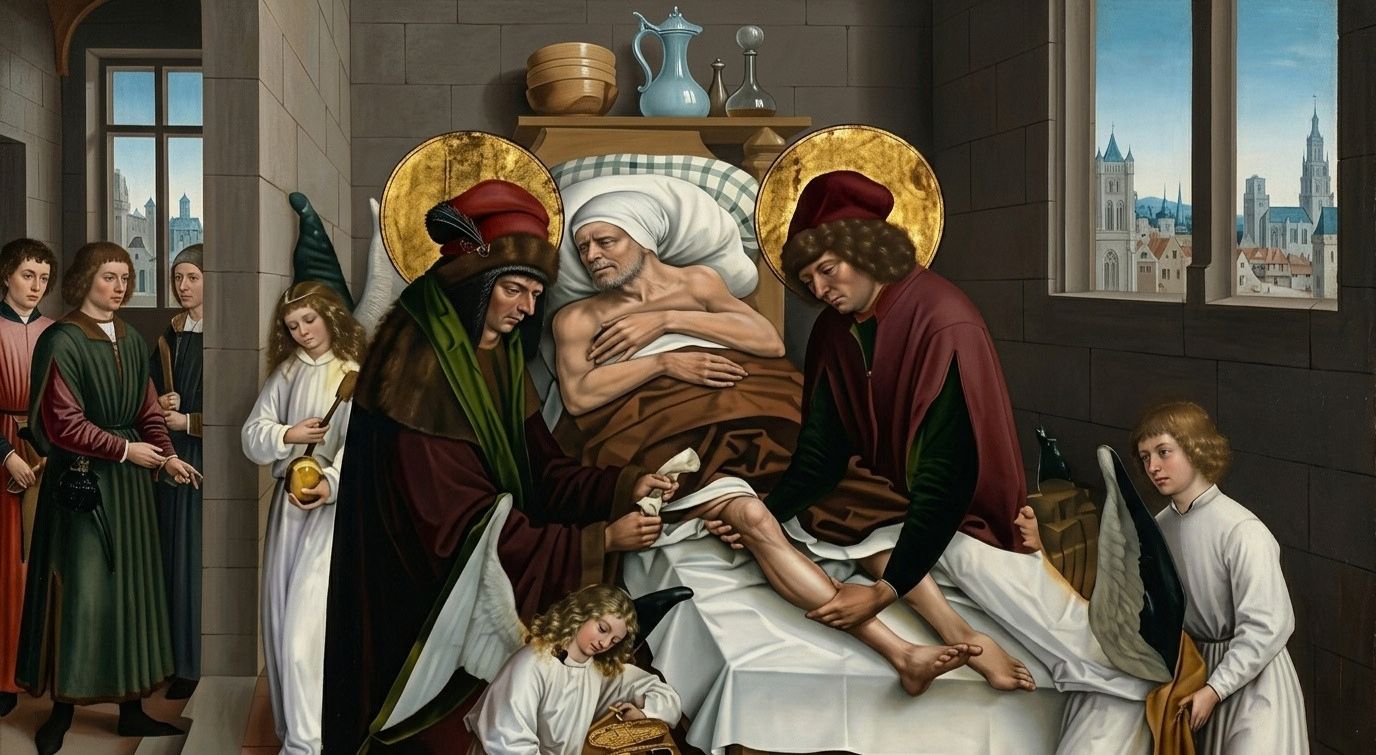
Ultimately, Saint Wenceslaus’ story reminds us that genuine holiness often flourishes amid political danger and personal betrayal. Rather than a legendary king, history reveals a young, devout duke, who chose faith over comfortable political compromise. For readers wishing to explore further, additional detail remains available through the Catholic Encyclopedia and Britannica, alongside earlier articles published on this website concerning Saints Cosmas and Damian, whose feast day framed his final, fateful visit.


Leave a Reply