
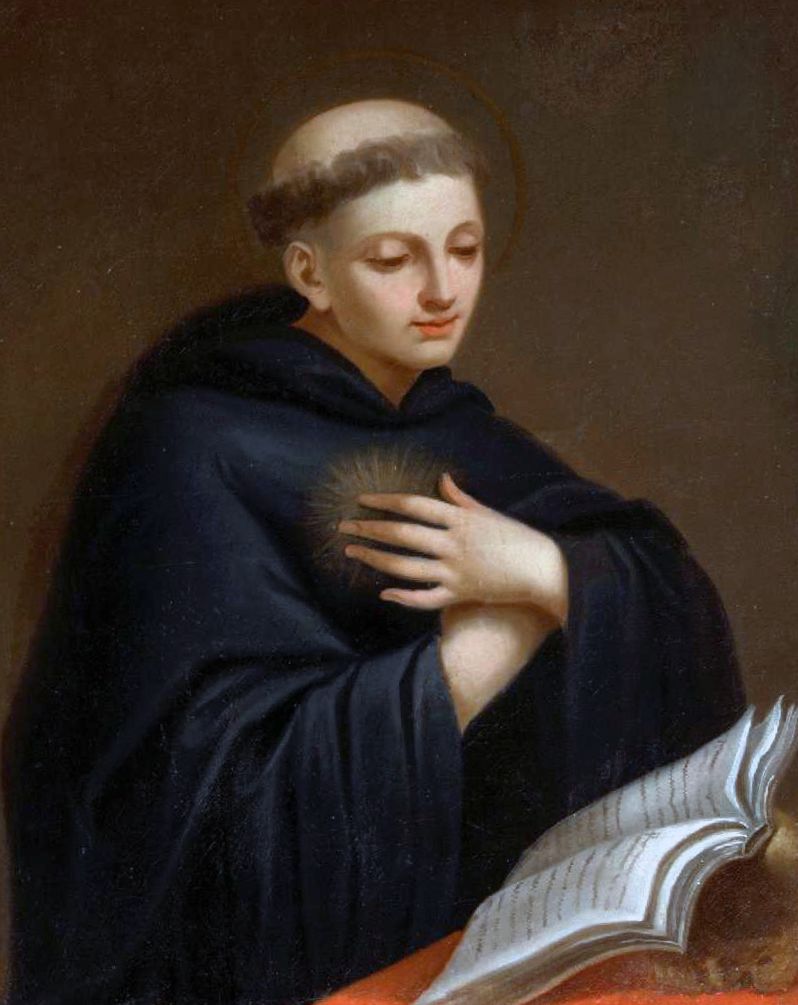
Image Credit: Saint Nicholas of Tolentino by the Master of Narni, early fifteenth century, public domain Wikipedia
Saint Nicholas of Tolentino: Patron of the Holy Souls
The Catholic Church celebrates the feast of Saint Nicholas of Tolentino on 10 September. Born around 1245 in Sant’Angelo in Pontano, Italy, he was the long-awaited child of devout parents who had prayed for years for a son. They travelled to the shrine of Saint Nicholas of Myra to seek his intercession, and when their prayer was answered, they named their son Nicholas in gratitude.
As a young man, Nicholas heard a sermon about the fleeting nature of worldly life, and its message changed his path. Around the age of eighteen, he joined the Augustinian Order, which later ordained him a priest. While praying at a monastery near Fermo, he reportedly heard a voice calling, “To Tolentino.” He followed this mysterious call and spent the remaining thirty years of his life serving the people of Tolentino through preaching, prayer and charity.
At the time, Tolentino was suffering from serious civil unrest. Nicholas, recognising the needs of his new parish, focused much of his preaching on reconciliation and peace. Consequently, he quickly earned a reputation as a gifted preacher and a compassionate confessor. People travelled from surrounding towns simply to hear him speak or seek his counsel.
Throughout his ministry, Nicholas lived with remarkable simplicity. He fasted often, practised strict penance, and devoted himself entirely to prayer. Furthermore, he cared tirelessly for the sick, the poor, and the marginalised members of his community. According to tradition, his prayers produced numerous miraculous healings during his lifetime. Some accounts even claim he restored more than one hundred children to life. Whether legend or literal history, these stories reflect the deep trust his community placed in him.
Nicholas is remembered, above all, for his devotion to souls in purgatory. Tradition holds that a deceased friar named Pellegrino appeared to him, asking for prayers on behalf of suffering souls. Moved by this encounter, Nicholas began offering daily Mass and penance specifically for the departed. As a result, he became known as the Patron of Holy Souls, a title still honoured today. Many Augustinian churches continue holding weekly devotions in his memory, particularly during November and Lent.
Nicholas also held a strong devotion to the Virgin Mary. According to popular tradition, he once prayed over bread and gave it to the sick, asking for Mary’s healing intercession. This practice inspired the custom now known as “Saint Nicholas’ bread,” a small roll marked with a cross. Even today, some Augustinian communities distribute this blessed bread in his honour.
He died on September 10, 1305 in Tolentino and devotion to him spread quickly afterwards. In 1446, Pope Eugene IV canonised him, making him the first Augustinian saint in Church history. His body remains venerated at the Basilica di San Nicola da Tolentino, alongside a relic of his blood. Interestingly, in 2005, the Vatican marked the seven-hundredth anniversary of his death with a major exhibition, featuring artwork by Raphael, Perugino, and Guercino.
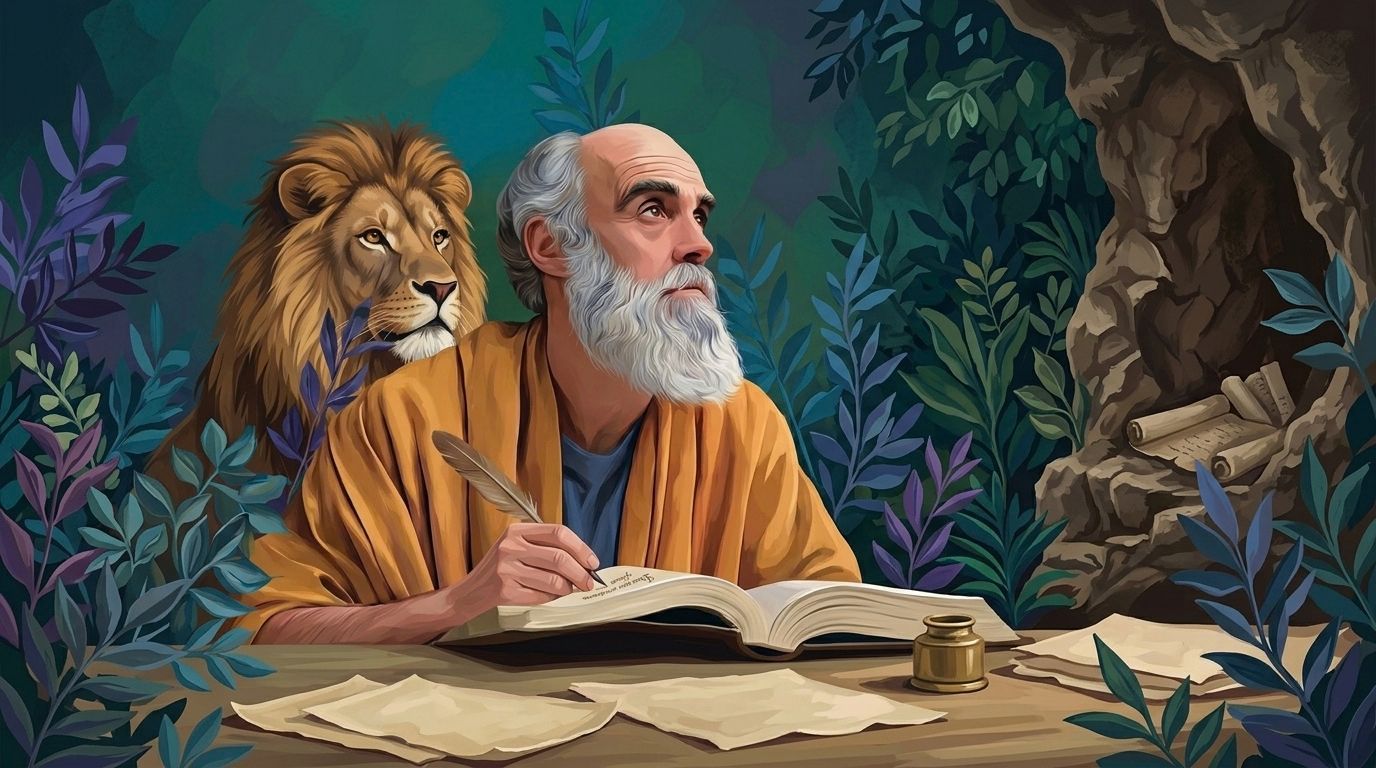
Today, Saint Nicholas of Tolentino serves as patron of sailors, babies, animals, and the dying, among many others. Several dioceses and towns across Spain, Colombia, and the Philippines also claim him as patron. Artists traditionally depict him holding a lily, a crucifix, or a star radiating from his chest, symbolising his burning love for God. Ultimately, his life continues inspiring believers toward humility, mercy, and steadfast faith.


Leave a Reply