
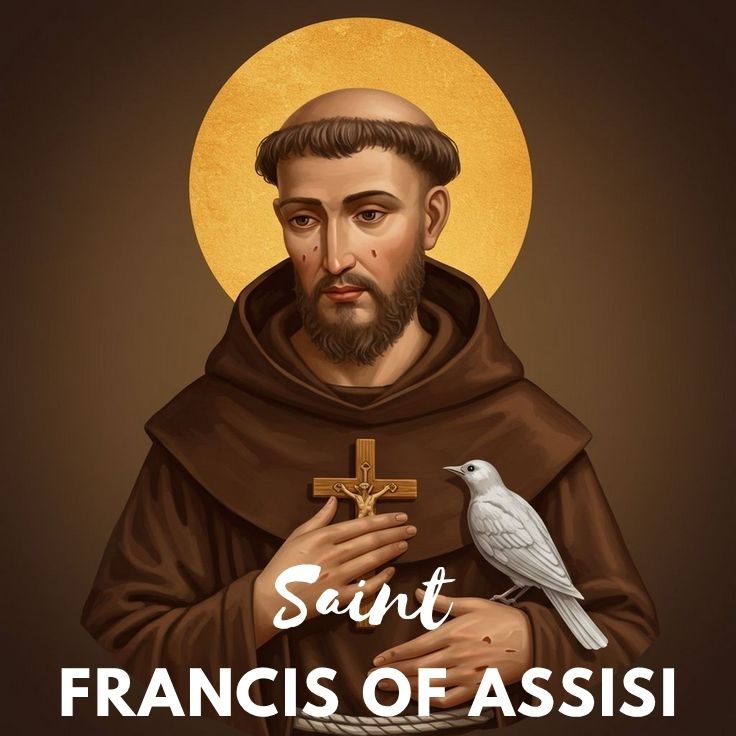
Saint Francis of Assisi: The Wealthy Youth Who Became a Saint
The Catholic Church honours Saint Francis of Assisi every year on October 4. This date sits just one day after his actual death, which occurred on October 3, 1226. Remarkably, Pope Gregory IX canonised him within only two years, recognising his extraordinary holiness almost immediately. Because 2026 marks the eight-hundredth anniversary of his passing, Pope Leo XIV proclaimed a special Jubilee Year in his honour, running from January 2026 through January 2027. Consequently, pilgrims across the world now have added reason to reflect on this beloved saint’s life and legacy.
Saint Francis of Assisi was born around 1181 in the Italian town of Assisi, the son of a prosperous cloth merchant. Consequently, he enjoyed a comfortable, carefree childhood, surrounded by privilege and admiration from those around him. As a young man, he dreamed of military glory and joined a local conflict against the neighbouring town of Perugia. He was captured and imprisoned for roughly a year, yet he reportedly kept his cheerful spirit throughout that difficult ordeal. Afterwards, further military ambitions were cut short by a mysterious dream, which sent him home confused and thoroughly humiliated.
Gradually, Saint Francis of Assisi turned toward prayer and solitude, seeking genuine clarity about his true purpose in life. One transformative encounter occurred when he embraced a leper he would normally have avoided entirely. Soon afterwards, while praying within the ruined chapel of San Damiano, he reportedly heard Christ instruct him to repair his church. Taking this instruction literally, he sold cloth from his father’s shop to help fund the chapel’s restoration. This decision enraged his father considerably and Francis publicly renounced his inheritance shortly afterwards. He famously stripped off his clothes before the local bishop, offering a dramatic symbol of his new, simpler life.
By 1209, Saint Francis of Assisi had gathered several devoted followers who shared his commitment to poverty and Gospel simplicity. He travelled to Rome, where Pope Innocent III eventually approved his growing brotherhood of friars. Female followers soon joined the movement too, most notably Clare of Assisi, who later founded the Poor Clares under his guidance. Remarkably, the order expanded rapidly, reaching thousands of members within just a single decade. In 1219, Francis even travelled to Egypt during the Fifth Crusade, seeking peaceful dialogue with the Sultan instead of continued warfare.
Saint Francis of Assisi also modelled forgiveness toward those who wronged him, even common thieves. According to the Assisi Compilation, robbers once accosted several of his friars along the road. Fearing further harm, the friars sent the men away with harsh words, believing they had handled the matter well. However, Francis rebuked them upon hearing the story, insisting that unkindness could never lead anyone toward genuine repentance. Consequently, he ordered the friars to prepare a proper meal, complete with bread, cheese, eggs and wine. Then, he instructed them to return to the robbers, apologise sincerely and serve them the food with genuine humility. This unexpected kindness reportedly softened the robbers considerably and some later abandoned crime entirely to join the growing Franciscan brotherhood.
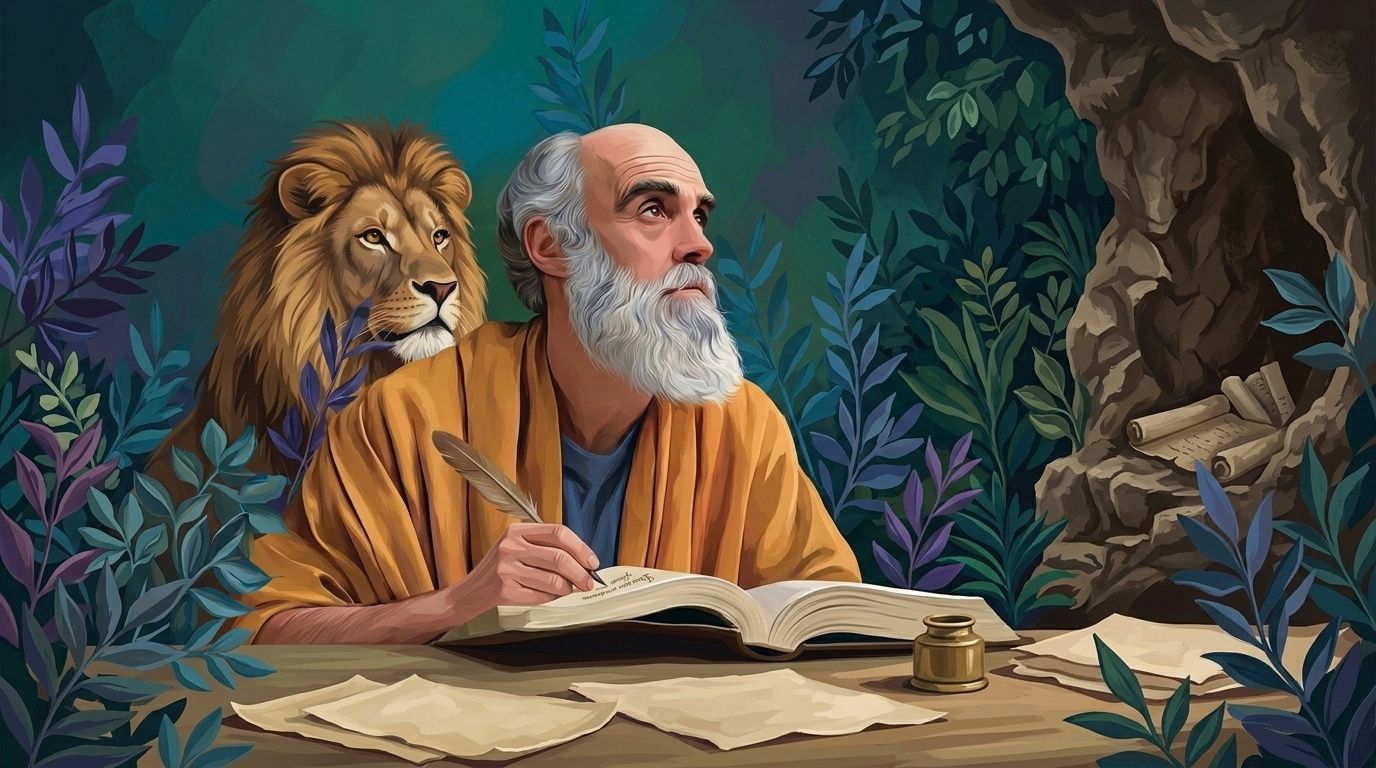
Perhaps most famously, Saint Francis of Assisi viewed nature as one interconnected family, deeply worthy of reverence and care. He referred to the sun, moon, animals and elements as his brothers and sisters, expressing this vision beautifully within his Canticle of the Sun. Traditional stories describe him preaching gently to birds and calming a dangerous wolf near the town of Gubbio. In 1223, he also created what many consider the very first live nativity scene, staged at Greccio using real animals. This creative gesture helped ordinary worshippers visualise Christ’s humble birth far more vividly than words alone could manage.
Toward the end of his life, Saint Francis of Assisi experienced the stigmata, bearing wounds strikingly similar to those of the crucified Christ. Already weakened by illness and failing eyesight, he died in 1226 at just forty-five years old. His profound spiritual impact was recognised almost instantly, leading swiftly to his canonisation within only two years. Today, he remains the patron saint of animals, ecology and merchants, and his influence extends well beyond the Catholic Church itself.
Interestingly, Pope Francis chose his own papal name back in 2013 specifically to honour this saint’s devotion toward the poor. Furthermore, his enduring influence directly inspired Pope Francis’s landmark environmental encyclical, Laudato Si’, published in 2015. During this current Jubilee Year, Pope Leo XIV has encouraged pilgrims to visit Franciscan churches worldwide, offering plenary indulgences under the usual conditions. In a letter addressed to the Franciscan family, Pope Leo emphasised that peace with God, peace among people and peace with creation remain deeply interconnected callings. He also noted that Saint Francis crossed the lines of war unarmed, offering believers courage to build bridges rather than walls.
The 2026 Jubilee Year therefore invites reflection well beyond nostalgic admiration for a gentle, bird-loving hermit. Instead, it challenges believers to examine Saint Francis’s radical choices around poverty, peace and creation more seriously. Many dioceses have organised pilgrimages, exhibitions and prayer services throughout 2026 to mark this significant anniversary properly. Meanwhile, several Franciscan communities have also arranged special veneration opportunities involving the saint’s preserved remains. Therefore, believers seeking a deeper connection with Franciscan spirituality have unusually rich opportunities available this particular year. For readers wishing to explore related figures, further biographical detail remains available through franciscan.org.


Leave a Reply