
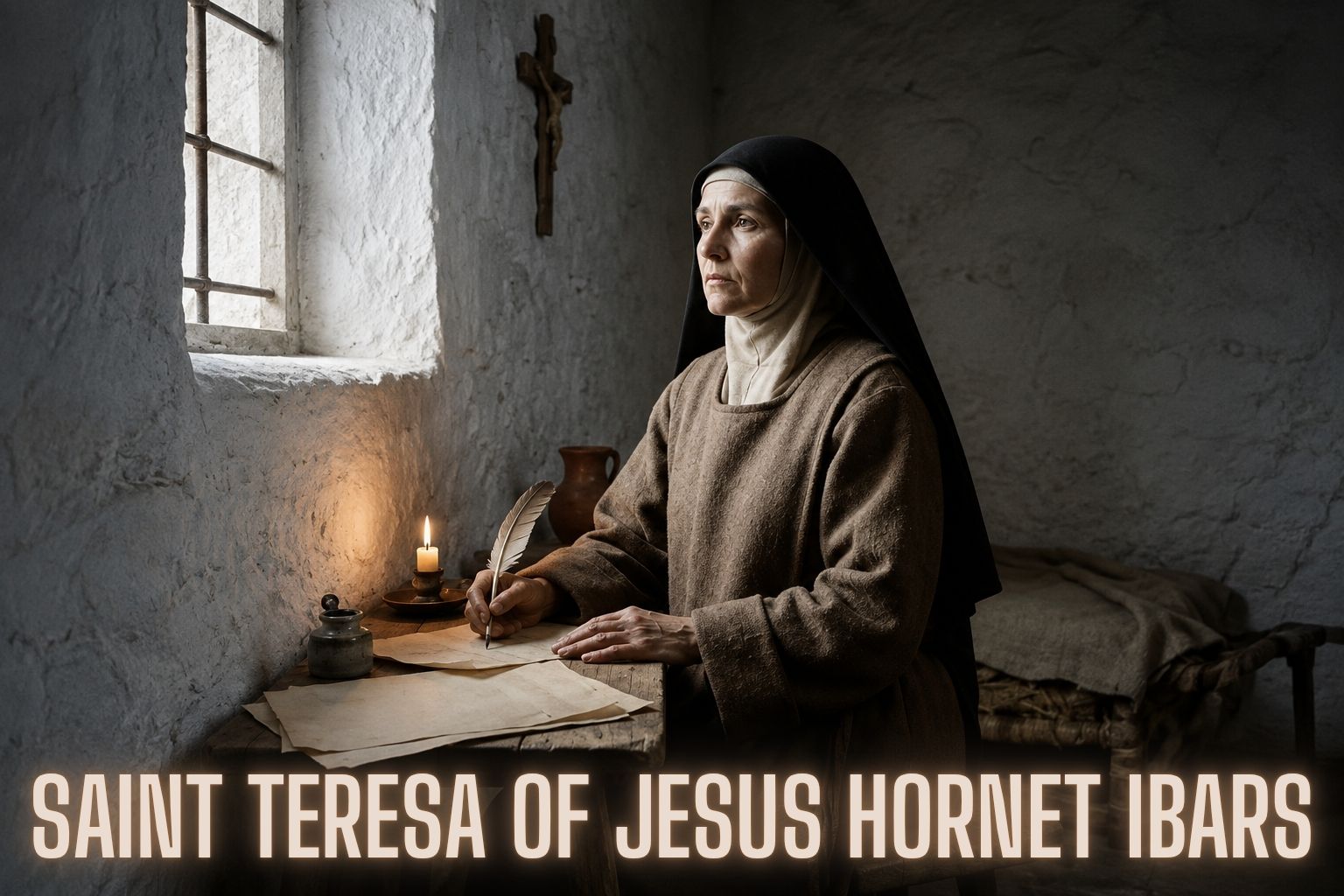
Saint Teresa of Jesus Jornet Ibars: Champion of the Forgotten Elderly
Saint Teresa of Jesus Jornet Ibars built her entire vocation around a single, compassionate insight: elderly people abandoned by their families deserved dignity, comfort and love. Born into a farming family in Spain, she overcame repeated setbacks before founding a religious congregation that continues serving vulnerable elders worldwide today. Her story offers a powerful reminder that persistence and compassion can transform ordinary obstacles into lasting good.
Saint Teresa of Jesus Jornet Ibars’s Feast Day Falls on 26 August
The Catholic Church honours Saint Teresa of Jesus Jornet Ibars every year on 26 August, marking the anniversary of her death in Liria, Spain, in 1897. Pope Pius XII beatified her in 1958, and Pope Paul VI later canonised her on 27 January 1974, during a ceremony that specifically praised her lifelong dedication to society’s forgotten elders.
A Farming Childhood Rooted in Compassion
Teresa Jornet Ibars was born on 9 January 1843 in Aitona, within the Lleida province of Catalonia, Spain. Her parents, Francisco Jornet and Antonieta Ibars, raised her alongside two sisters and a brother on the family farm. Even as a young girl, Teresa showed remarkable concern for impoverished neighbours, frequently bringing them to her aunt Rosa’s home for food and basic medical care. This early compassion clearly shaped the mission she would later pursue as an adult.
At nineteen, Teresa began working as a teacher, first in Argençola and later in Barcelona. Throughout this period, she felt an increasingly strong pull toward religious life, a calling that would soon face significant obstacles.
Setbacks Before Founding Her Mission
In 1868, Teresa applied to join the Poor Clares near Burgos, hoping to embrace a cloistered vocation. However, Spain’s anti-clerical laws at the time blocked her entry, forcing her to reconsider her path entirely. She subsequently joined the Secular Carmelites in 1870, adopting a lay religious commitment while continuing to discern her true calling.
Her father’s death and a serious illness soon confined her at home for an extended period. During this difficult season, her spiritual director, Saturnino López Novoa, encouraged her to channel her energy toward caring for the elderly poor in her region. This guidance ultimately redirected her entire life’s purpose.
Saint Teresa of Jesus Jornet Ibars Founds Her Congregation
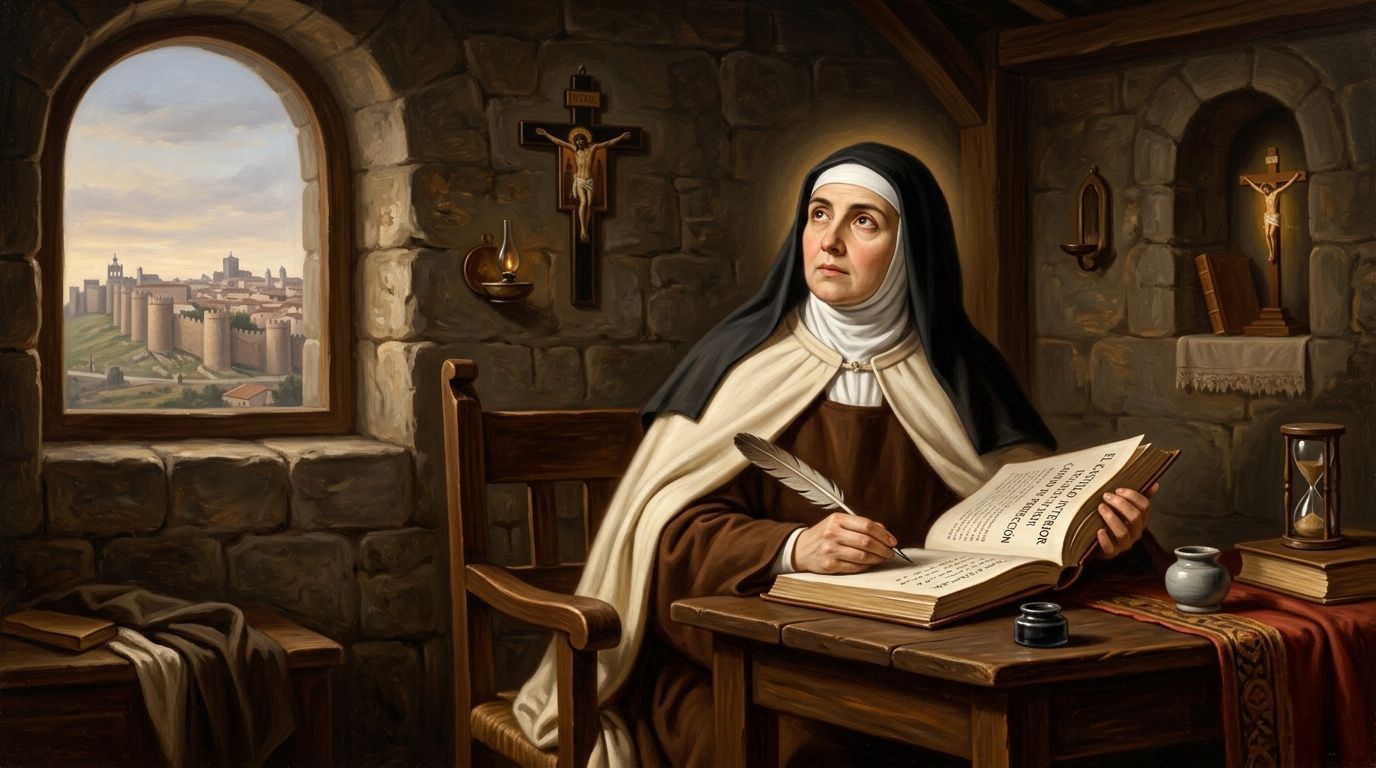
On 27 October 1872, Teresa and her sister María travelled to Barbastro, where they opened their first home for elderly people abandoned by their families. Working alongside the priest Pedro Llacera and her spiritual director, Teresa formally established the Little Sisters of the Abandoned Elderly on 27 January 1873. She took the religious name Teresa of Jesus, honouring the great Carmelite mystic Teresa of Ávila.
The congregation’s mission remained refreshingly simple: provide comfort, companionship and practical care to elderly people society had otherwise overlooked. Teresa was unanimously elected the community’s first Mother Superior and she made her first religious profession on 29 November 1874, followed by perpetual vows on 8 December 1877.
Rapid Growth Across Spain and Beyond
Under Teresa’s determined leadership, the congregation expanded remarkably quickly. By the time she died, she had personally welcomed 1,260 sisters into the community and established over one hundred homes across Spain and the Americas. This rapid growth reflected both genuine demand for elder care and widespread admiration for Teresa’s practical, hands-on approach to religious life.
The congregation later relocated its headquarters to Valencia, where Archbishop Mariano Barrio Fernández formally confirmed Teresa as General Director in 1875. This move helped stabilise the growing order’s administrative structure as it continued expanding internationally.
Death, Canonisation and Enduring Legacy
Saint Teresa of Jesus Jornet Ibars died in Liria, Valencia, on 26 August 1897, at the age of fifty-four. Her remains were later transferred to the congregation’s motherhouse in Valencia, where they still receive devoted veneration today. Following her canonisation in 1974, she became formally recognised as patroness of elderly people everywhere.
Today, the Little Sisters of the Abandoned Elderly maintain communities across Europe, Africa and Latin America, continuing the mission Teresa began with just a handful of followers. Readers interested in similar charitable saints can explore our Catholic Saints archive for further profiles. For additional historical background, Aleteia’s detailed biography offers useful further reading.
Saint Teresa of Jesus Jornet Ibars’s legacy proves that genuine compassion, paired with unwavering persistence, can create lasting change for society’s most vulnerable members.






Leave a Reply