
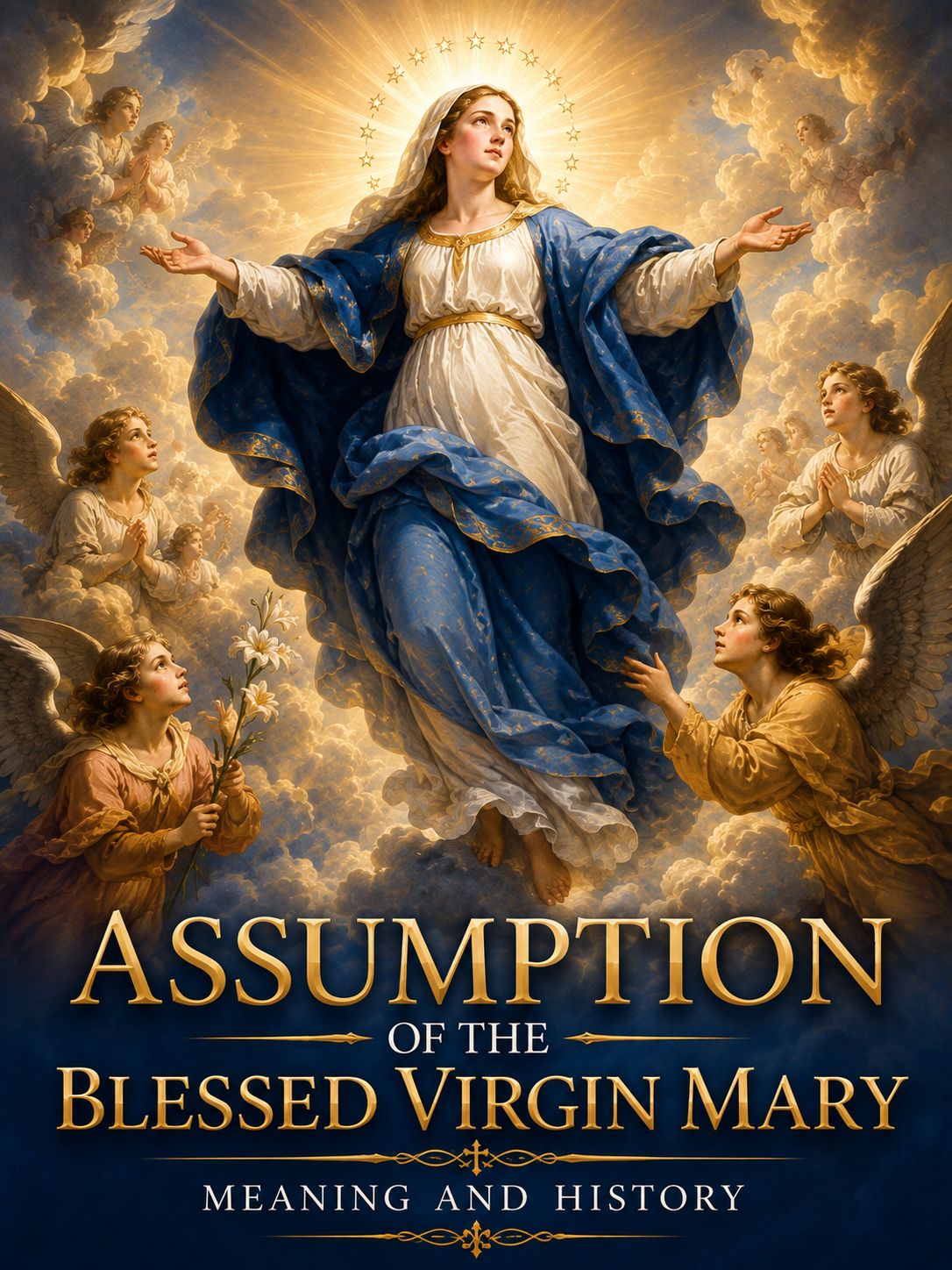
Feast of the Assumption of the Blessed Virgin Mary: Meaning and History
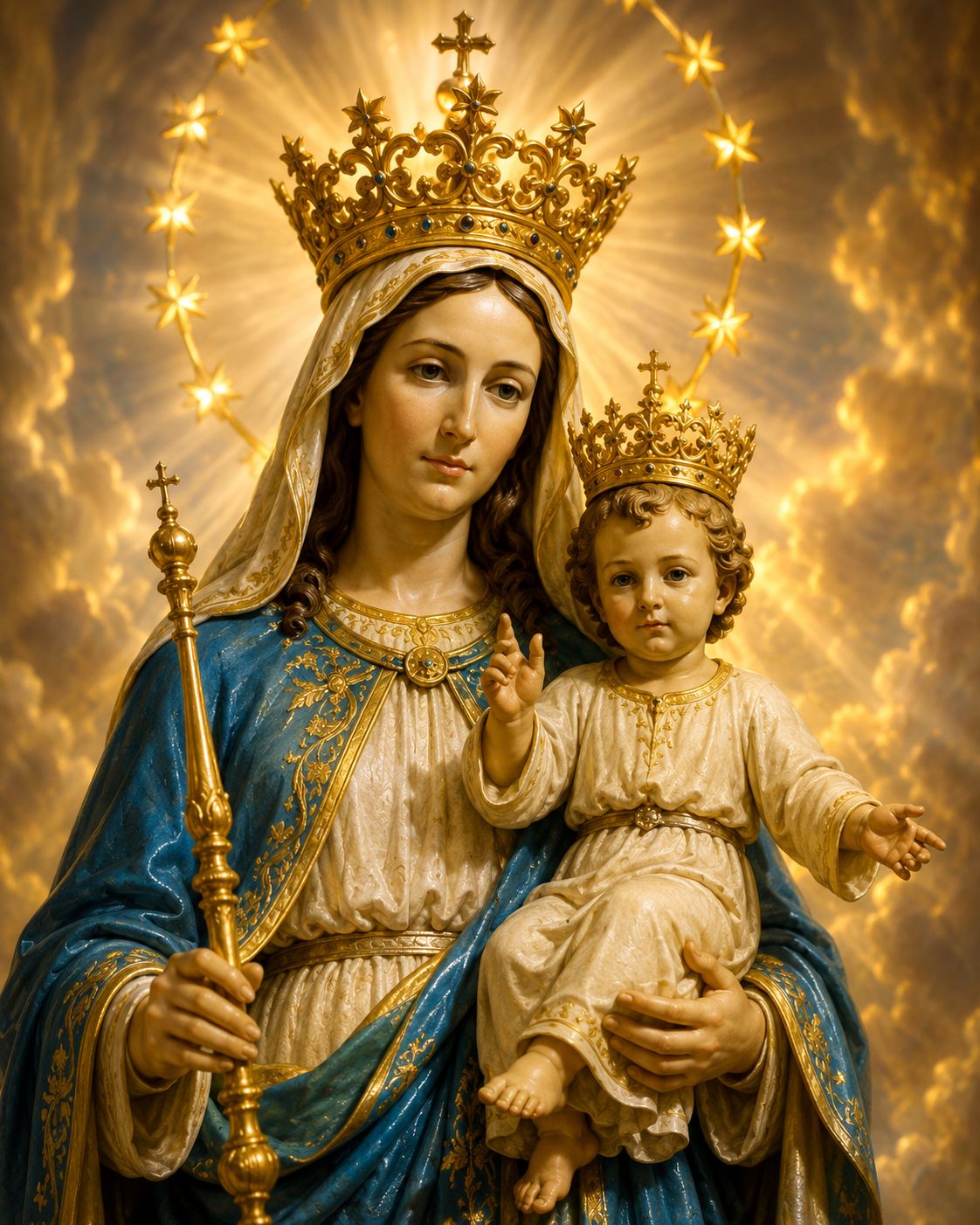
The Feast of the Assumption stands among the oldest and most cherished Marian celebrations in the entire Church calendar. Every year on 15 August, Catholics honour the belief that Mary, at the end of her earthly life, was taken up body and soul into heavenly glory. Although this teaching rests on centuries of tradition rather than a single scriptural passage, it became official Church dogma only in the last century. This piece explores where the feast came from, how the doctrine developed, and why it still matters to believers today.
The Feast of the Assumption Falls Every 15 August
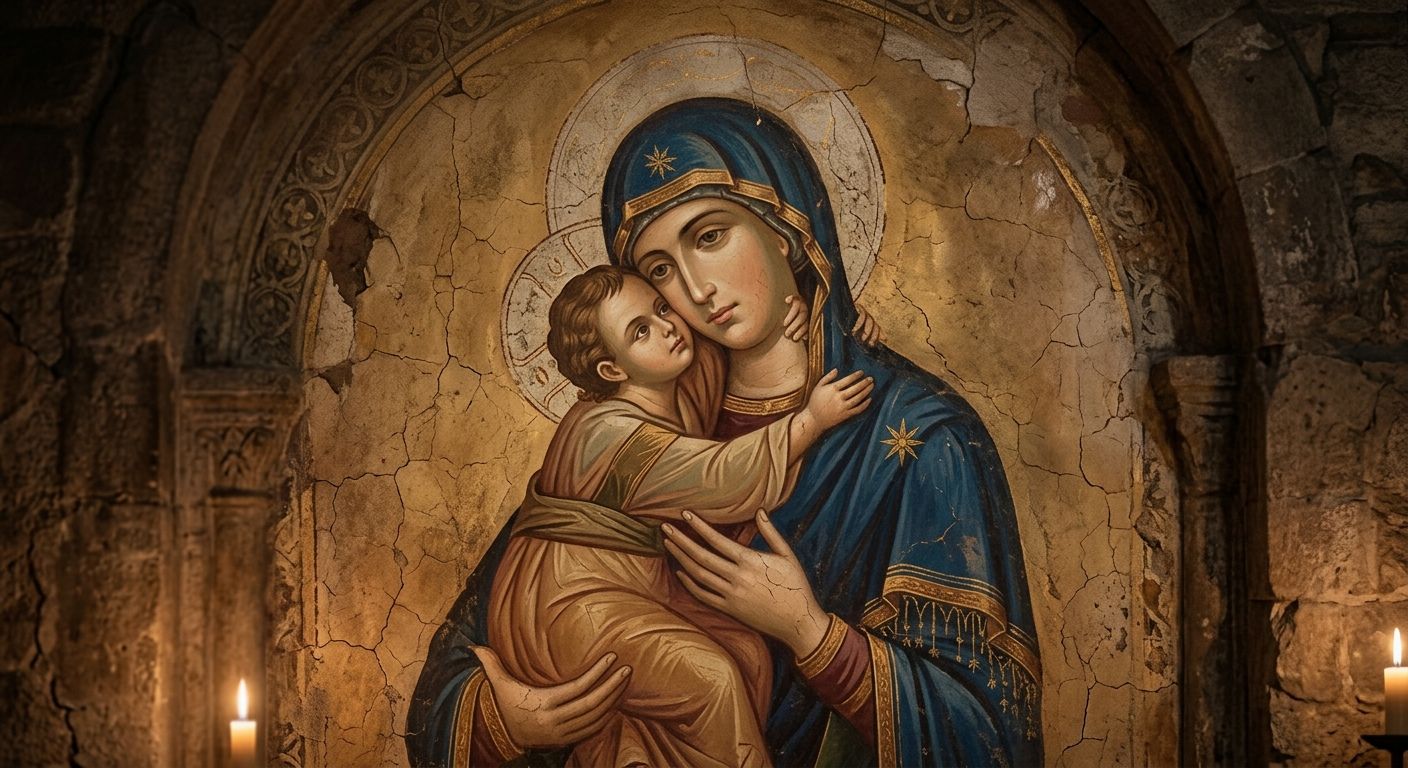
The Catholic Church celebrates the Feast of the Assumption as a solemnity every year on 15 August, and it ranks among the holy days of obligation observed worldwide. Eastern Christians mark a closely related feast, known as the Dormition of the Theotokos, honouring Mary’s falling asleep rather than emphasising her bodily assumption directly. Both traditions trace their roots back well over fourteen centuries.
Ancient Origins in the Christian East
Devotion to Mary’s heavenly assumption developed gradually across the early centuries of the Church, drawing heavily on tradition preserved by the Fathers and early theologians. Eastern writers such as Saint John Damascene and Saint Germanus of Constantinople wrote homilies specifically honouring her Dormition, helping cement the belief within Eastern liturgical life. By around the sixth century, the Byzantine Emperor Maurice had helped establish 15 August as the fixed date for this celebration across the empire. Western Christian communities gradually adopted the same date over the centuries that followed, and the feast had become firmly established across most of Christendom well before the second millennium began.
From Cherished Belief to Official Dogma
Although Catholics had honoured Mary’s assumption for centuries, the belief remained a matter of tradition rather than formally defined doctrine for a very long time. That changed in 1946, when Pope Pius XII wrote to bishops worldwide, asking whether the faithful supported formally defining the Assumption as dogma. An overwhelming ninety-nine per cent of the more than 1,200 bishops who responded favoured the idea. Encouraged by this near-unanimous support, Pius XII proceeded toward a formal declaration during the Church’s Jubilee Year.
Pius XII’s Historic Proclamation
On 1 November 1950, the Feast of All Saints, Pope Pius XII issued the apostolic constitution Munificentissimus Deus, meaning “the most bountiful God.” Pope Pius XII formally defined the Assumption as a divinely revealed dogma, declaring that Mary was assumed body and soul into heavenly glory after completing her earthly life.. Because Pius XII delivered this teaching ex cathedra, meaning with the full authority of his office, Catholic doctrine now regards it as infallible and binding for all believers.The declaration deliberately left one question open: whether Mary died before her Assumption or God took her to heaven without bodily death.
A Dogma Born From Hardship and Hope
Pius XII issued this declaration only five years after the devastation of the Second World War, during a period marked by considerable anxiety across Europe. He explained that defining the dogma would strengthen the faithful’s devotion to Mary during genuinely turbulent times, offering believers comfort and hope. The timing also followed naturally from Pope Pius IX’s earlier 1854 declaration defining the Immaculate Conception, another major Marian dogma that had similarly grown from centuries of devotional tradition before its formal definition.
Celebrating the Feast of the Assumption Today
Catholics across the world continue marking the Feast of the Assumption with special Masses, processions, and regional customs that vary widely by country. In parts of Europe, believers bring bundles of herbs and flowers to church for blessing, a tradition linking the feast to the abundance of the late-summer harvest. The Assumption also holds particular significance in nations such as France, where Mary has long been honoured as a national patroness connected to this very feast.
Why the Assumption Still Matters
The Feast of the Assumption offers believers a vivid glimpse of the destiny Christians hope to share themselves, since Mary’s bodily glorification points toward the resurrection promised to all the faithful. For further reading on the dogma’s full theological reasoning, the Vatican’s official text of Munificentissimus Deus offers the complete original document. Readers exploring nearby August feasts can browse the complete August Saints calendar for more.
Leave a Reply