
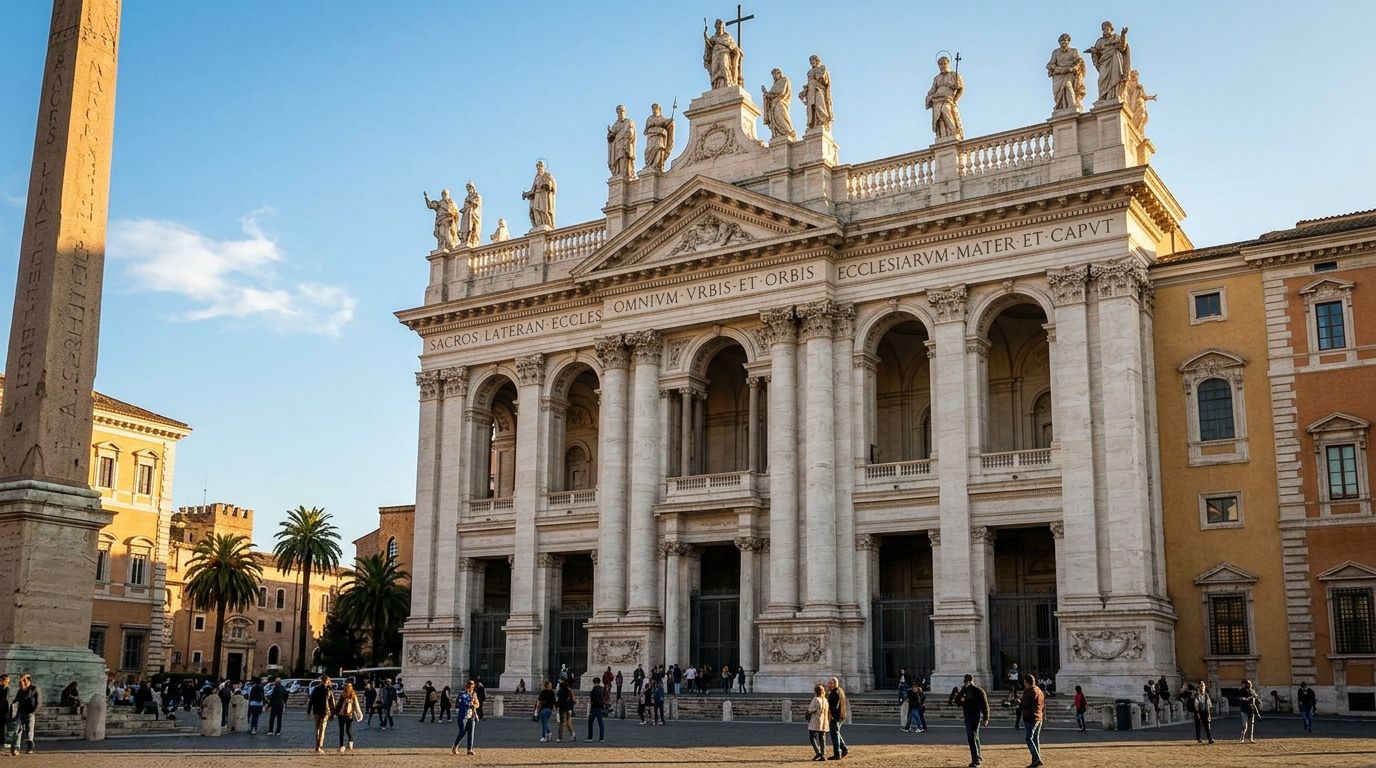
The Dedication of the Lateran Basilica Celebrates the Mother of All Churches
The Church celebrates the Dedication of the Lateran Basilica on November 9. This feast honours the cathedral of the Pope, the Archbasilica of Saint John Lateran in Rome. Moreover, the whole Latin Church keeps the day, even though the building stands in a single city. Therefore, this celebration invites every Catholic to remember the unity of the Church around the Bishop of Rome.
Many people assume that Saint Peter’s Basilica is the Pope’s cathedral. However, that honour belongs to the Lateran. Latin words carved on its façade call it the mother and head of all the churches of the city and of the world. Thus, the Lateran ranks above every other church in Catholic life. Furthermore, the Pope sits in the cathedra there as Bishop of Rome. His chair stands as a sign of his teaching authority and pastoral care.
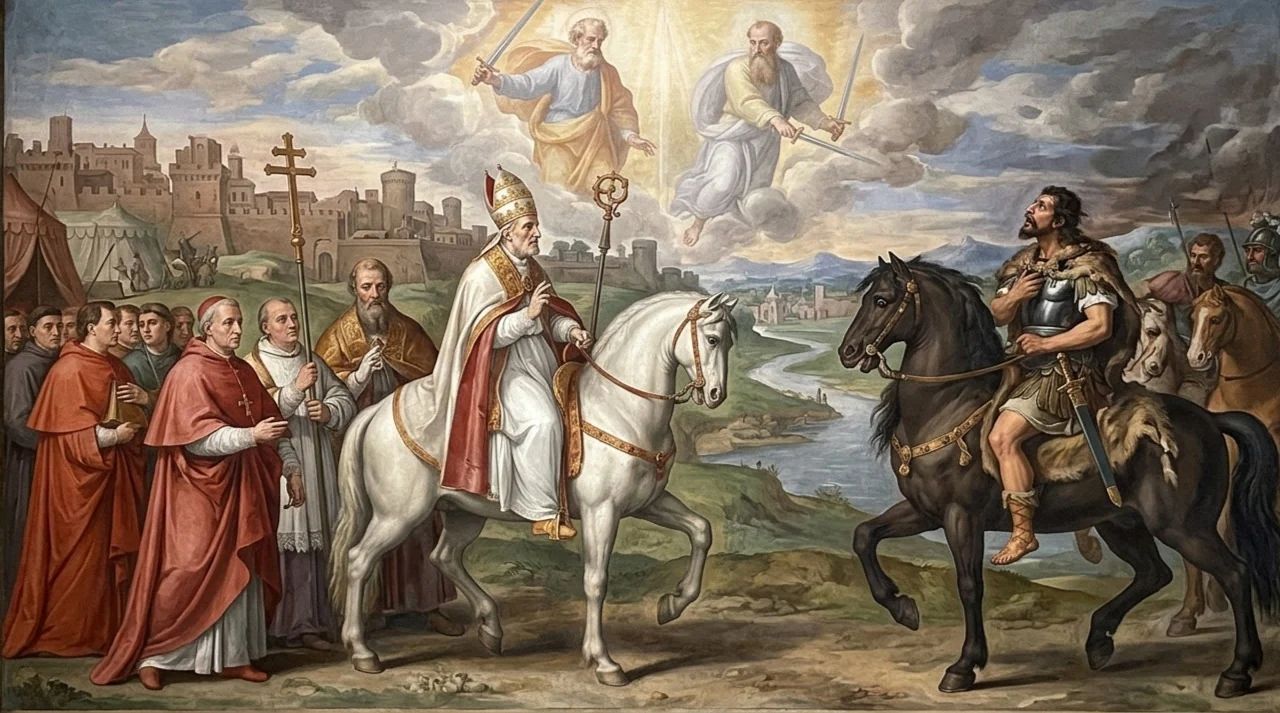
The story begins in the early fourth century. For three hundred years, Christians had faced persecution and they met in private homes. In 313, Emperor Constantine granted them religious freedom. He then gave the Church land and a palace on the Caelian Hill, which had belonged to the Laterani family. According to the Vatican, Pope Miltiades received the gift. Soon afterwards, builders began a large basilica beside the palace. It became the first great public church in Christian history.
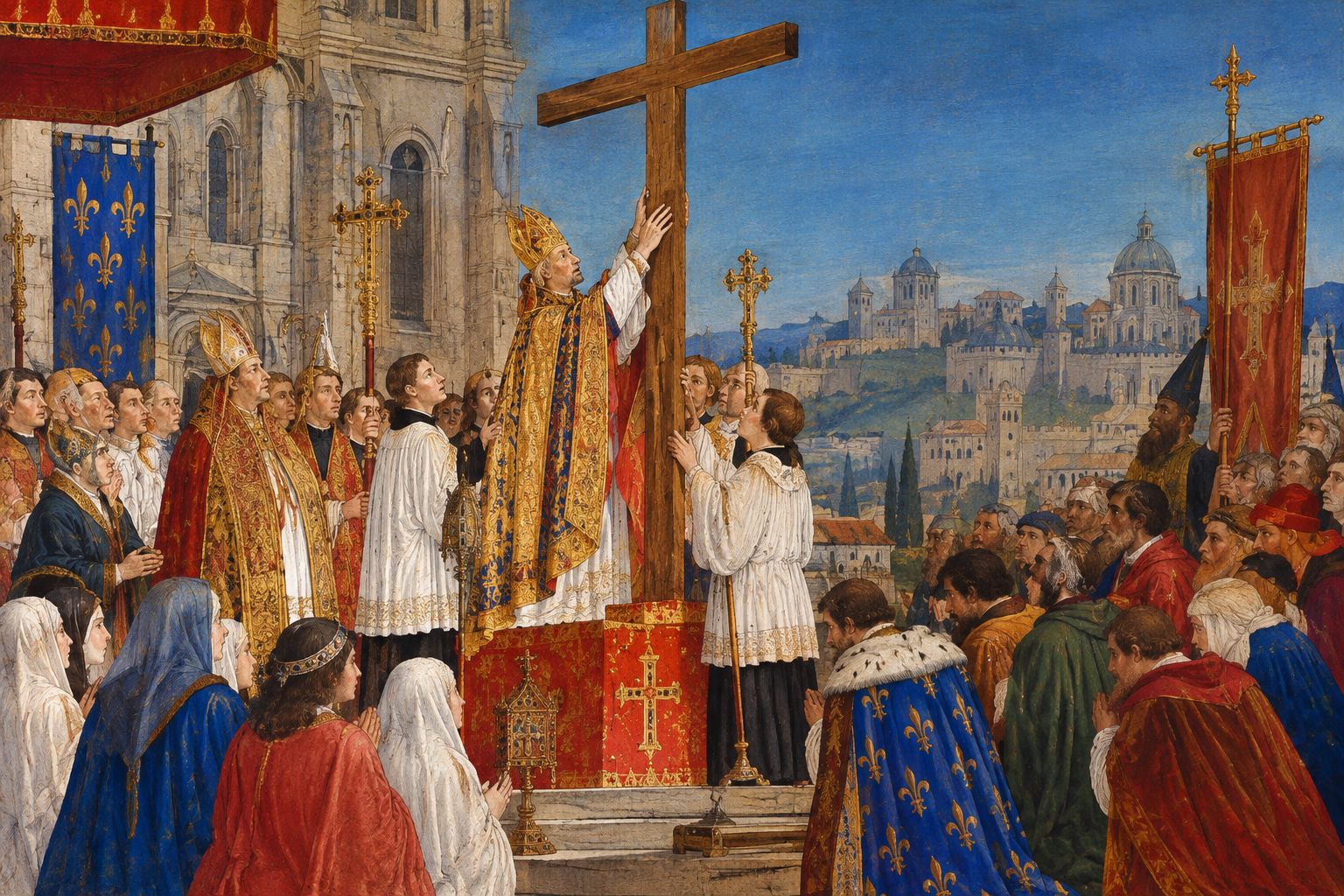
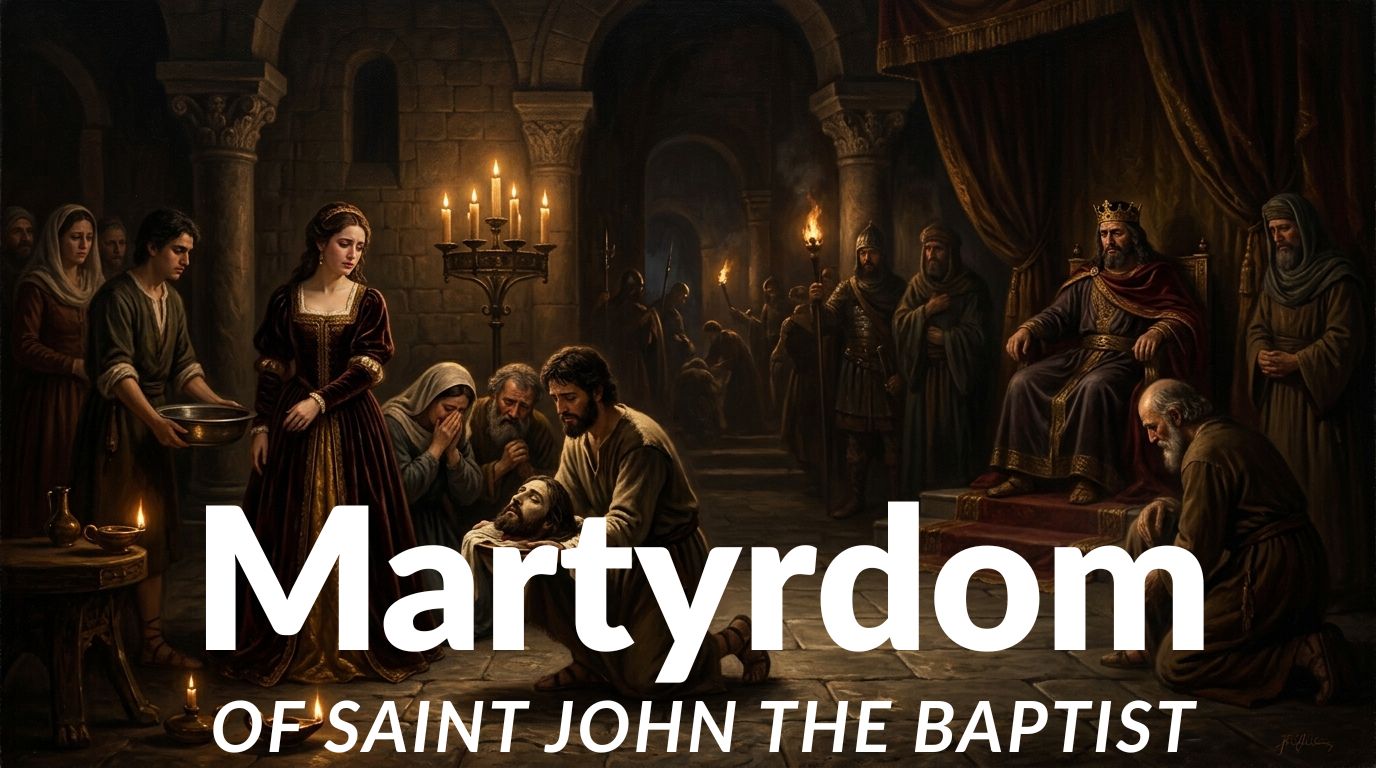
Pope Sylvester I dedicated the basilica around the year 324 and Catholics remember the date as November 9. The first title of the church was Most Holy Saviour. However, the names of Saint John the Baptist and Saint John the Evangelist came later. According to the Vatican, Pope Sergius III added the Baptist in the ninth century. Then Pope Lucius II added the Evangelist in the twelfth century. As a result, people began to call it Saint John Lateran.
For more than a thousand years, the Lateran served as the home of the popes. They lived in the neighbouring palace until the papacy moved to Avignon in the fourteenth century. During those centuries, the Lateran also hosted five ecumenical councils. In addition, popes crowned emperors and held great ceremonies there. When the popes returned from Avignon, they moved to the Vatican. Even so, the Lateran kept its rank as the cathedral of Rome.
The building itself has suffered many disasters. Earthquakes, fires and neglect damaged it several times. However, each generation rebuilt it. In the seventeenth century, the architect Francesco Borromini redesigned the interior. Later, Alessandro Galilei created the grand façade. The church also holds the Holy Stairs, which tradition says Saint Helena, Constantine’s mother, brought from Jerusalem. Pilgrims climb them on their knees in prayer. Thus, the building tells the story of the whole Church.
At first, only Rome kept the feast. Later, the Church extended it to other places. Most sources say that, from 1565, all churches of the Roman Rite celebrated it. The feast shows our bond with the Pope. Honouring the Lateran means honouring the unity of the Church. Likewise, it reminds us that our local parish is part of a worldwide family. Last year, Pope Leo XIV presided at Mass in the Lateran on this feast.
What do the readings teach us? The first reading, from the prophet Ezekiel, describes a stream of water flowing from the Temple and giving life to everything it touches. In addition, the Letter to the Corinthians tells us that believers form God’s temple. Finally, in the Gospel, Jesus drives the merchants from the Temple and speaks of his body as the true temple. Therefore, the feast is not only about stones. It is also about people who become living stones in the Church.
How can we keep the feast? First, we attend Mass if we can, or pray quietly for the Pope. Second, learn about our own parish church and its patron. In addition, we can pray for the unity of all Christians. If you ever visit Rome, plan a stop at the Lateran. For more detail, read the Vatican News explanation.
In conclusion, the Dedication of the Lateran Basilica reminds us that the Church is both a building and a people. The old stones tell a story of freedom after persecution. Likewise, the living stones of the faithful keep that story alive. Therefore, let us pray for the Pope and for every parish. May the Lord make us a worthy temple of his presence.
Leave a Reply