
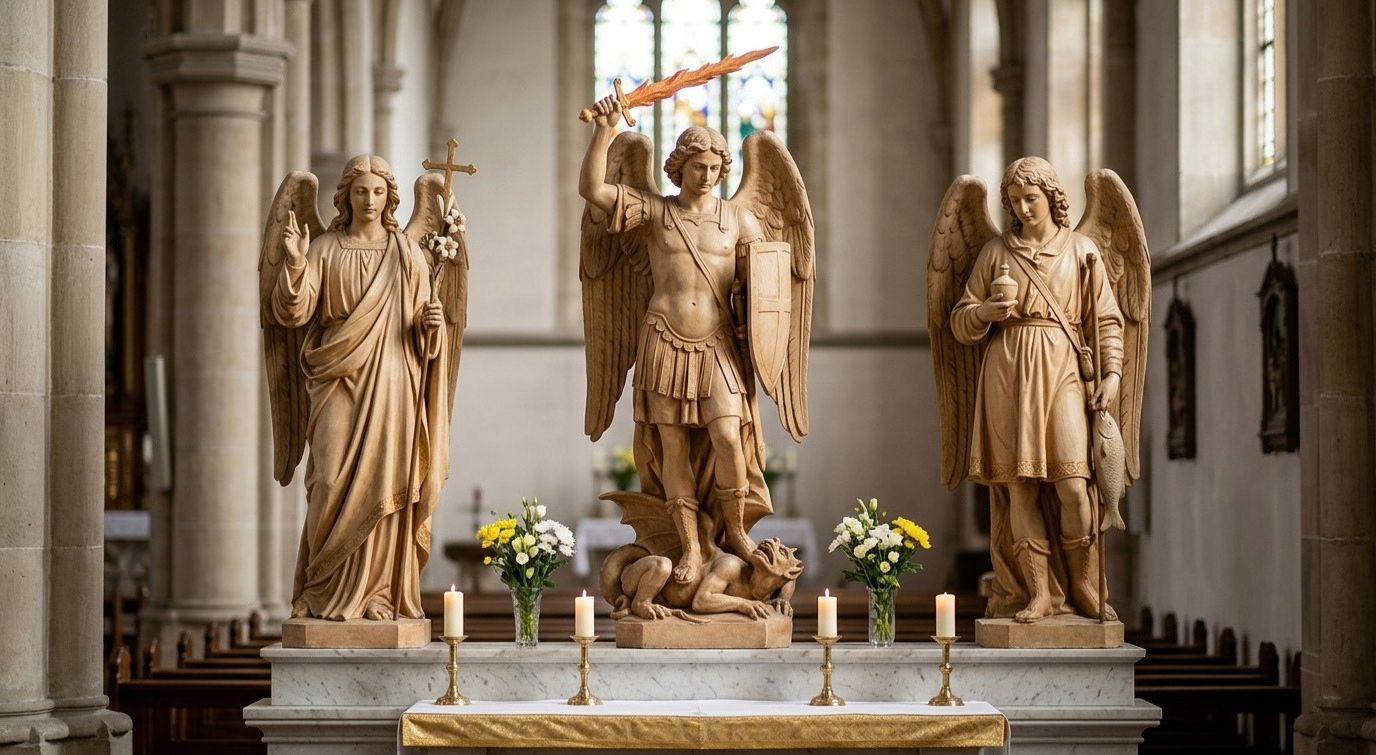
Archangels Michael, Gabriel and Raphael: Who They Are and Why We Honour Them
The Church honours the Archangels Michael, Gabriel and Raphael together every September 29. Many English-speaking believers still call this feast Michaelmas, since Michael once held the day entirely to himself. Consequently, this shared celebration joins three messengers of God, each with a distinct mission within Scripture. Furthermore, the Church recognises only these three angels by name, because the Bible names no others. Therefore, understanding their individual roles helps believers appreciate how God guards, guides and heals his people throughout history.
Before the liturgical reforms of 1969, the Church celebrated these archangels on separate days. For example, Raphael’s feast fell on October 24 in the calendar used between 1921 and 1969. Afterwards, the reformed calendar combined all three celebrations into a single feast, keeping the date once reserved for Michael. Meanwhile, the feast remained a Holy Day of Obligation until the eighteenth century, reflecting its former importance. Eastern Christians, however, honour the archangels on November 8, a date called the Synaxis of the Archangels.
The Catechism of the Catholic Church teaches that angels are spiritual, bodiless beings, and their existence is a truth of faith. Tradition arranges them into nine choirs, and archangels rank as the second level from the bottom. Interestingly, earlier Jewish tradition names seven archangels, yet Catholic teaching accepts only three by name. Moreover, modern Church guidance discourages inventing names for other angels, precisely because Scripture reveals just these three. Their names also carry meaning, since each Hebrew name points directly toward God himself.
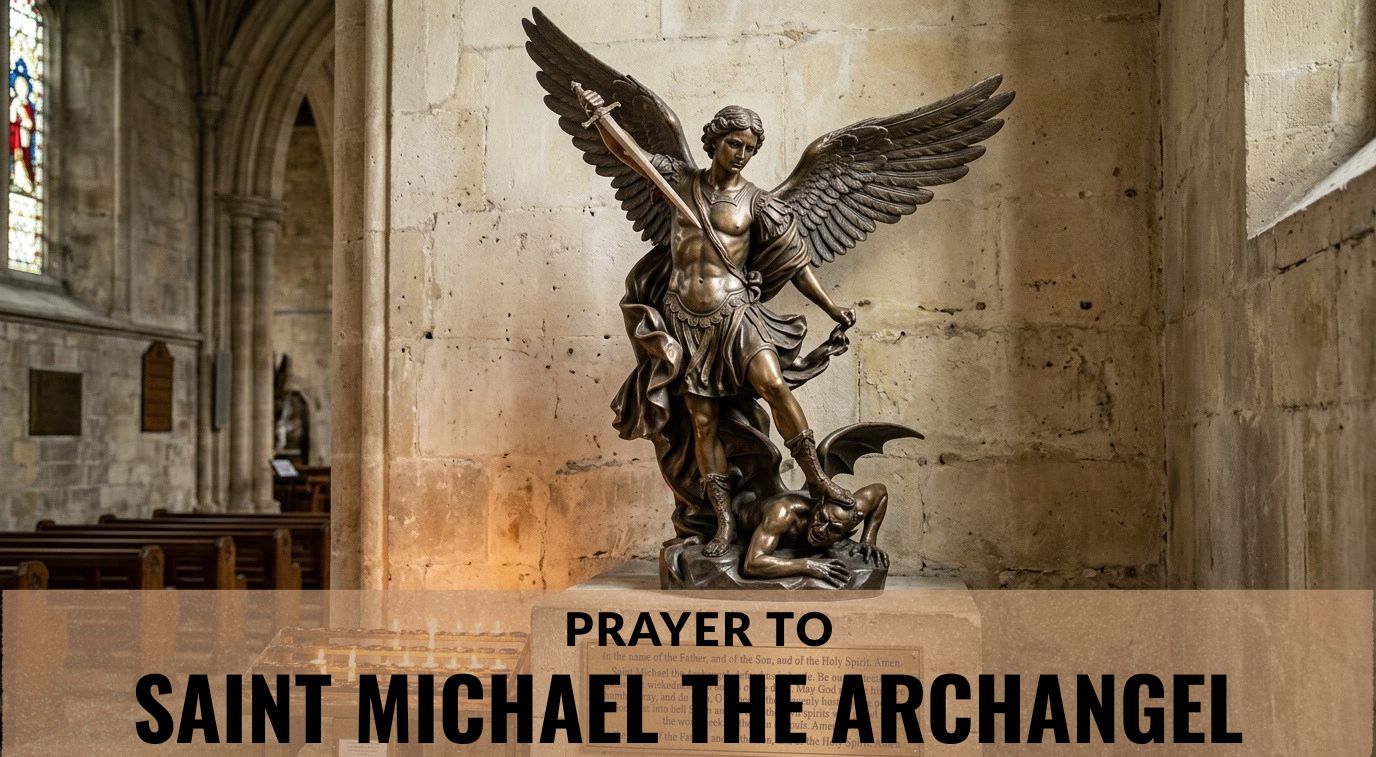
Michael’s name means “Who is like God?”, a rhetorical question that captures his humble loyalty. Scripture calls him a prince and chief defender, appearing in the Book of Daniel, the Letter of Jude and Revelation. There, he leads heaven’s armies against the dragon, defeating Satan and his followers in spiritual battle. Consequently, believers invoke Michael for protection against evil, especially at the hour of death. Artists often show him holding scales, since tradition says he weighs souls on the final day of judgement. Today, he serves as patron of soldiers, police officers, paramedics and the sick or dying.
Gabriel’s name means “God is my strength,” and he acts primarily as God’s chosen messenger. In the Book of Daniel, he explains visions to the prophet, helping him understand God’s plans. Later, in the Gospel of Luke, he appears twice in dramatic fashion. First, he tells the priest Zechariah that his wife Elizabeth will bear John the Baptist. Then, he greets Mary at the Annunciation, announcing that she will conceive and bear the Son of God. Consequently, the words of his greeting became the opening of the Hail Mary, prayed by millions worldwide. For this reason, believers honour Gabriel as patron of messengers, broadcasters, postal workers, diplomats and expectant mothers.
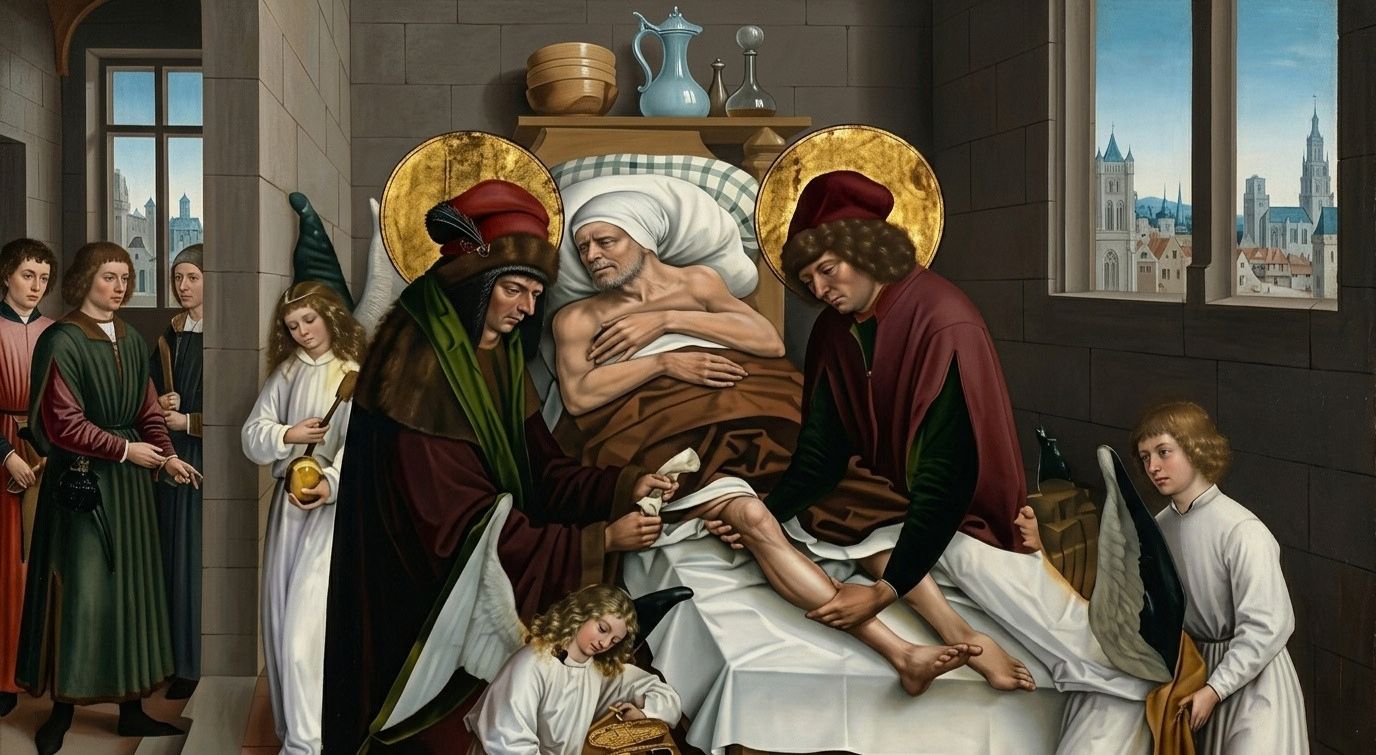
Raphael’s name means “God has healed,” and the Book of Tobit reveals his story most fully. In that account, Raphael travels with young Tobias, disguised as a helpful companion named Azariah. Along the journey, he protects Tobias, defeats a demon tormenting a young woman named Sarah, and arranges their marriage. Afterwards, he shows Tobias how to restore his father’s sight, curing Tobit’s blindness. Only then does Raphael reveal his true identity, urging the family to thank God for every blessing. Tradition also connects him with the healing pool at Bethesda, mentioned in the Gospel of John.
Because of this story, believers invoke Raphael as patron of travellers, the blind, nurses, doctors and pharmacists. Additionally, young people leaving home, couples seeking love, and guardians of the sick often ask for his help. Together, these three archangels reflect three essential needs: protection, guidance and healing. Consequently, each one offers a distinct way to trust that God remains close during life’s struggles. Nevertheless, they all point beyond themselves, directing attention toward God rather than toward angelic power.
Believers can observe this feast simply within their own homes. For instance, families can memorise the Prayer to Saint Michael the Archangel and pray it together each evening. Others might pray for a safe journey through Raphael, or reflect on Gabriel’s message during the Angelus. Parents may also teach children the meaning of each name, connecting them with their guardian angels. Ultimately, this feast reminds Catholics that heaven actively cares for earth, through messengers who serve God faithfully. For readers wishing to explore further, additional detail remains available through Catholic Culture and My Catholic Life, alongside earlier articles published on this website concerning other saints celebrated this week.
Leave a Reply