
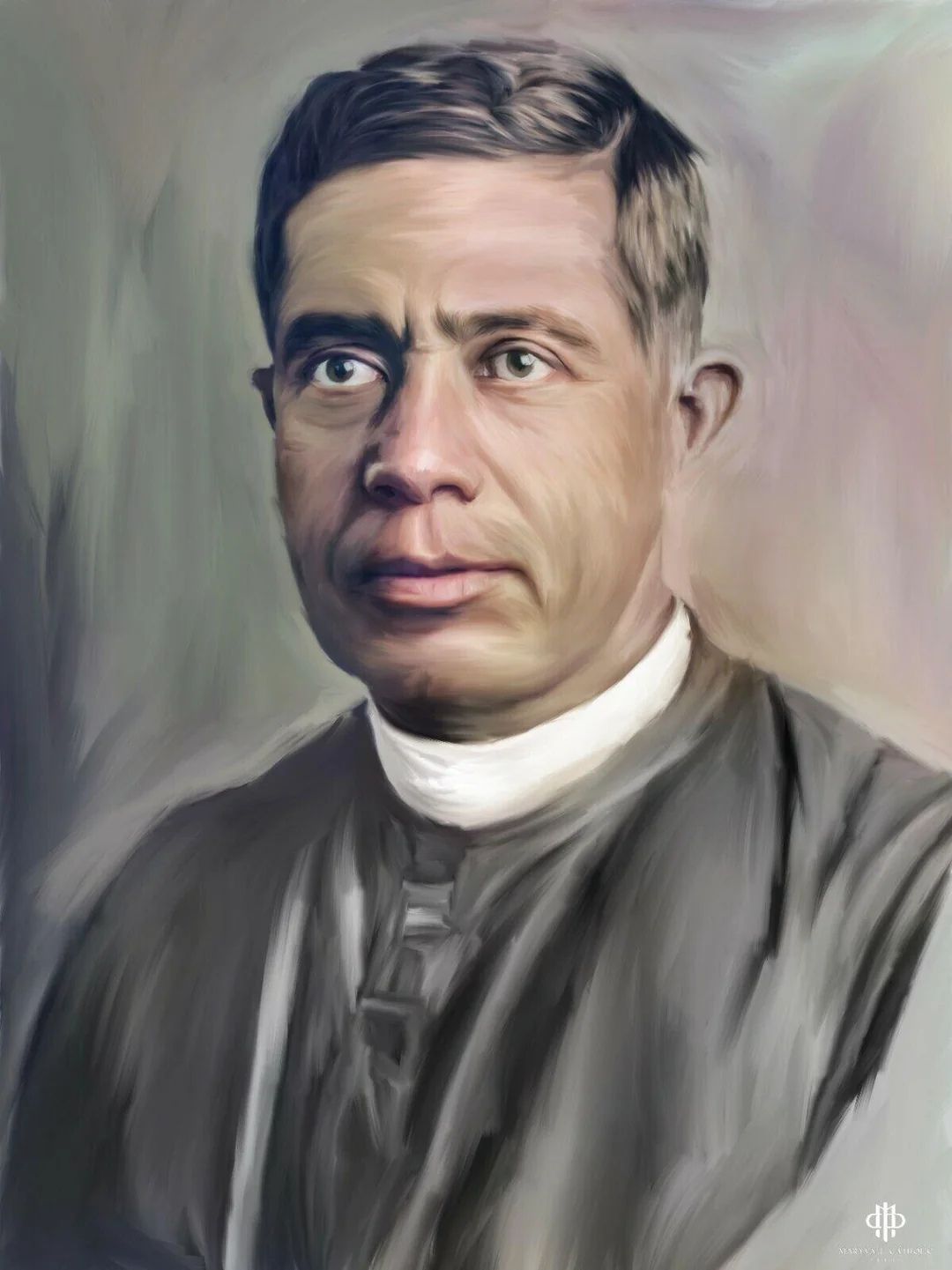
Image Credit: Reddit
St. Christopher Magallanes: The Mexican Martyr Killed on the Way to Mass
St. Christopher Magallanes Jara died as he lived—in service to the Eucharist. Mexican soldiers shot him without trial on May 21, 1927. He was walking to say Mass. The trumped-up charge was inciting rebellion. The real crime was being a Catholic priest during the Cristero War. Pope John Paul II canonized him in the Year 2000. The Church remembers him on May 21. His story exposes the brutality of religious persecution. It also reveals the courage of Mexico’s martyred clergy.
The Cristero War: Mexico’s Forgotten Religious Conflict
To understand Christopher Magallanes, you must understand his times. The Cristero War erupted in 1926. It lasted until 1929. The Mexican government, under President Plutarco Elías Calles, enforced anti-Catholic laws with vicious severity. These laws came from the 1917 Constitution. They stripped the Church of property rights, banned religious orders, forbade priests from wearing clerical garb in public. They limited the number of priests per state. In some regions, one priest served tens of thousands of Catholics.
The government closed churches. It seized seminaries, exiled bishop and executed priests who refused to comply. Catholic peasants rose in armed rebellion. They cried “¡Viva Cristo Rey!”—Long live Christ the King. The Cristeros fought government troops across central Mexico. The conflict killed between 50,000 and 100,000 people. The United States brokered a peace deal in 1929. Persecution continued unofficially for years.
This was the furnace that forged Mexico’s martyrs. Christopher Magallanes walked straight into it.
Early Life and Priesthood
Christopher Magallanes Jara was born in 1869. He grew up in the state of Jalisco. This region would become the heartland of Cristero resistance. He entered the seminary despite the growing danger, ordained a priest and served his people with quiet dedication.
His ministry was not political. It was sacramental. He celebrated Masses, heard confessions, baptized children, even comforted the dying. These ordinary acts became revolutionary under Calles’s regime. The government criminalized the sacraments themselves.
Arrest and Execution
The events of May 21, 1927, remain stark in their injustice. Christopher was traveling to a village. He intended to celebrate Mass there. Government soldiers stopped him. They arrested him on the road. The charge was inciting rebellion – no trial, no evidence. There was only a priest in clerical dress, heading to an illegal Mass.
The soldiers executed him on the spot. Or they took him to a nearby location and shot him there. Accounts vary on the precise details. The core facts do not change. He died without judicial process, for the crime of being a priest. He died on his way to the altar.
His last words, if recorded, have not survived in the sources. But his final action speaks clearly. He was walking toward the Eucharist. He never reached it. The bullets stopped him. Yet the Mass he intended to offer became his own sacrifice. He became the host, the oblation.
Canonization and Legacy
Pope John Paul II beatified St. Christopher Magallanes on November 22, 1992. The ceremony took place in Rome. It honoured him alongside other Mexican martyrs of the same era. Pope John Paul II canonized him on May 21, 2000. The date was deliberate -to mark the anniversary of his death. The Church raised him to the Altars on the very day the government had cut him down.
The canonization placed him among 25 Mexican martyrs declared saints together. This group included priests, laymen, and even a 14-year-old boy, José Sánchez del Río. The Cristero martyrs represent one of the largest cohorts of saints canonized at once in modern history.
St. Christopher Magallanes is not the most famous of this group. St. José Sánchez del Río has captured popular devotion more widely. Yet Cristóbal’s story carries a particular poignancy. He died in transit toward the Mass. This detail makes him a patron of priests who risk everything to reach their altars. It makes him a symbol of the Church’s irrepressible sacramental life.
The Meaning of His Martyrdom
What does Christopher Magallanes teach the Church today? First, that persecution can target the most ordinary ministry. He was not organizing rebellion. He was walking to say Mass. The government called this incitement. The government called this a crime. The Church calls it holiness.
Second, his martyrdom reveals the Eucharist as the center of priestly identity. Cristóbal risked death to celebrate Mass. He accepted death rather than abandon the sacrament. This is the logic of martyrdom. The Eucharist is not one duty among many. It is the duty that encompasses all others.
Third, his story corrects historical amnesia. The Cristero War remains poorly known outside Mexico. American Catholics often know little of this persecution in their neighboring country. The canonization of Christopher and his companions keeps this memory alive. It reminds the Church that anti-Catholic violence is not ancient history, it happened within living memory. It could happen again.
Veneration Today
St. Cristóbal Magallanes Jara, as is known is spanish is venerated primarily in Mexico. His cult is strongest in Jalisco and the Cristero heartland. He is invoked by priests who serve in dangerous conditions. He is remembered by Catholics who face government hostility to their faith.
The Church celebrates his feast on May 21. This date coincides with the anniversary of his martyrdom. It falls during the Easter season in most years. This placement is fitting. He died walking toward the Mass. The Easter liturgy proclaims Christ’s victory over death. Cristóbal entered that victory through the same door—sacrifice, blood, and resurrection hope.
On this feast day, Catholics pray for persecuted Christians worldwide. They remember that religious freedom is not universal. They honour priests who continue to celebrate Mass in secret, in exile, or under threat. And they ask St. Christopher Magallanes to intercede for the Church in Mexico, that the blood of its martyrs may continue to nourish its faith.
Leave a Reply