
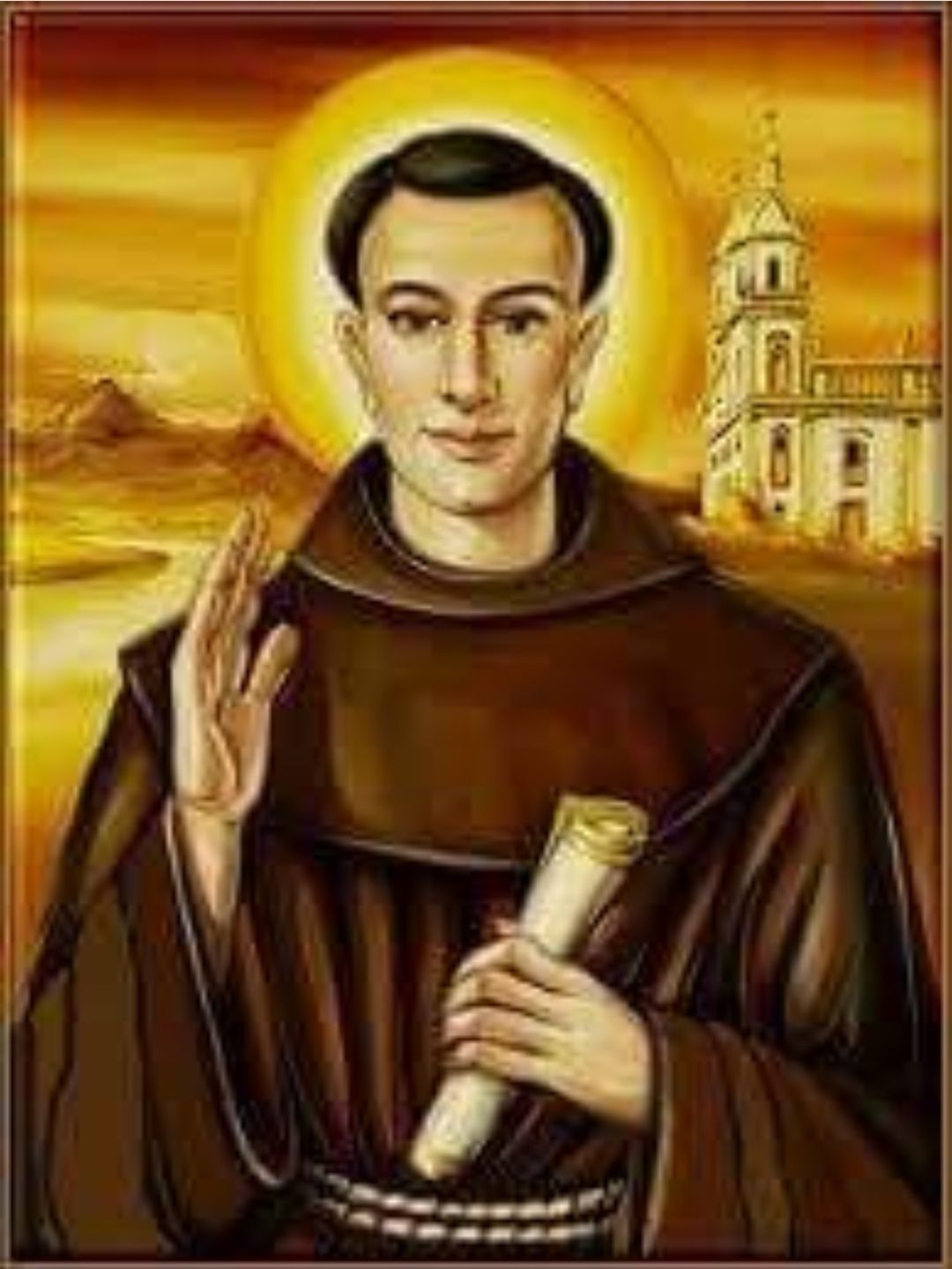
Image Credit: The Portugal News
Saint Peter of Tarentaise: The Humble Archbishop Who Served the Poor
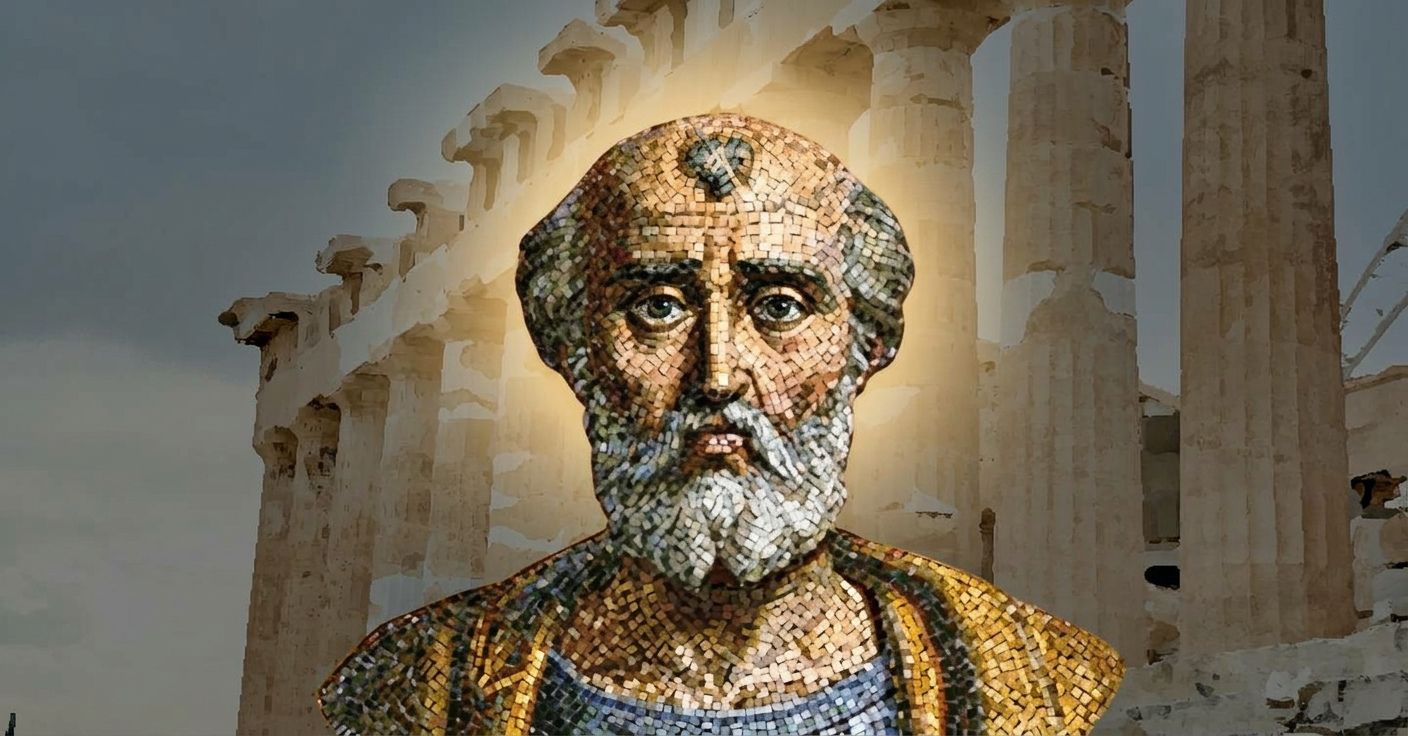
Saint Peter of Tarentaise is remembered as one of the most humble and charitable bishops of medieval France. Known for his deep spirituality, commitment to Church reform, and compassion toward the poor, he dedicated his life to serving God and helping others. Though he became a powerful archbishop and adviser to kings and popes, Peter never lost the simplicity and humility that defined his monastic life.
Saint Peter of Tarentaise was born in 1102 near Vienne in the Dauphiné region of France. From an early age, he showed signs of strong faith and devotion. At the age of twenty, he entered the Cistercian Order at the Abbey of Bonnevaux together with his father and two brothers. The Cistercians were known for their strict discipline, prayerful life, manual labour, and desire to return to the simplicity of early monastic traditions.
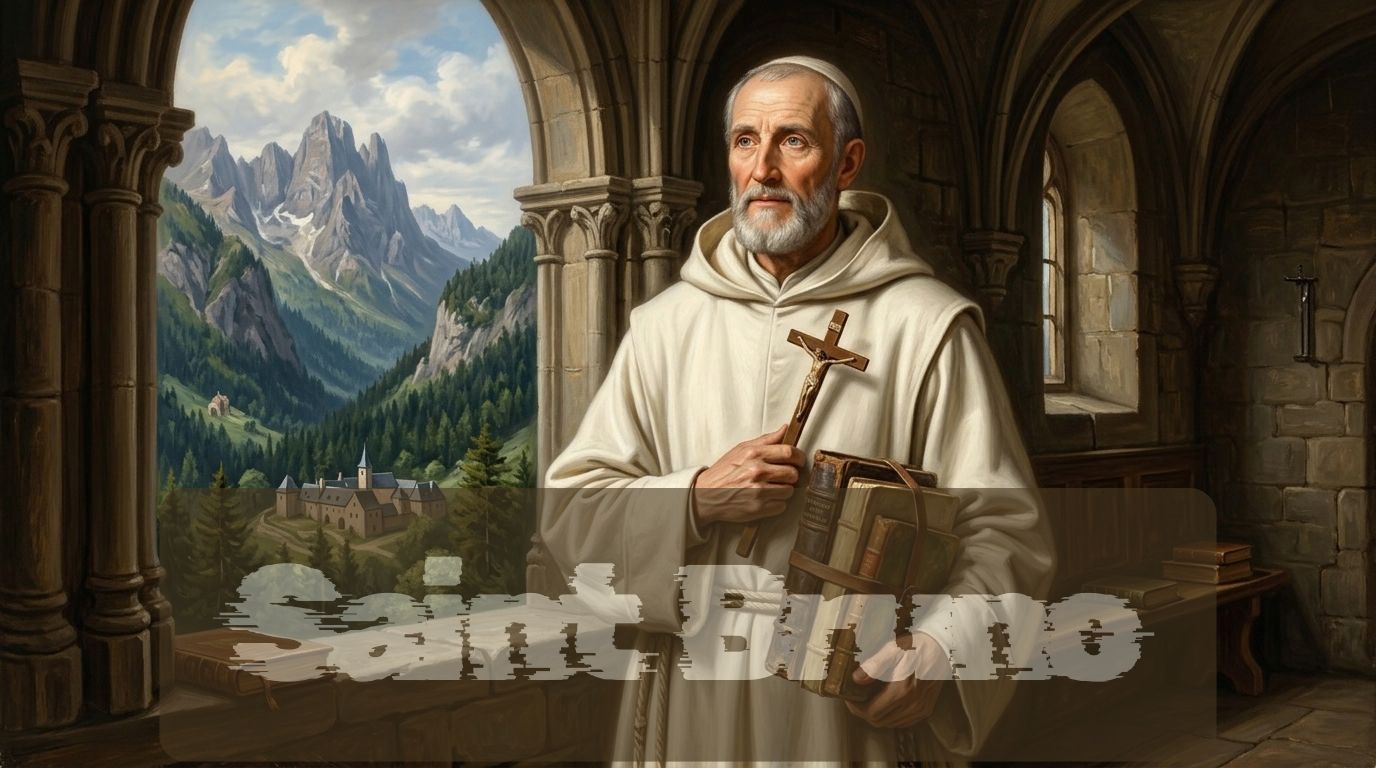
Peter quickly gained a reputation for holiness, wisdom, and obedience. His superiors recognized his leadership abilities and spiritual maturity. At only thirty years old, he was chosen to become the first abbot of the Abbey of Tamié, located in the mountainous region between Geneva and Savoy. This was a difficult mission because the area was isolated and harsh, yet Peter embraced the challenge with dedication.
As abbot, Peter worked tirelessly to establish the monastery and guide the monks in faithful religious living. He also showed great concern for ordinary people traveling through the dangerous mountain passes. Understanding the hardships faced by pilgrims and travelers, he built a hospice where they could find food, shelter, and safety. His kindness toward strangers and the poor became one of the defining marks of his ministry.
In 1142, despite his reluctance, Peter was appointed Archbishop of Tarentaise. He did not seek power or recognition and reportedly resisted the appointment, preferring the quiet life of a monk. However, out of obedience to the Church, he accepted the responsibility and began a remarkable period of reform within the diocese.
At the time, many parts of the clergy had fallen into corruption and immoral behavior. Peter approached these problems firmly but with wisdom and compassion. He worked to restore discipline among priests, strengthen the spiritual life of the Church, and improve the moral standards of the clergy. He also emphasized education and encouraged learning among both clergy and ordinary people.
Beyond reforming the Church, Peter became widely known for his care for the poor. He believed that Christian leaders should actively support those in need. One of the customs associated with him was the distribution of bread and soup to struggling families before the annual harvest season. This charitable tradition, later known as “May Bread,” spread throughout France and continued for centuries until the time of the French Revolution.
Peter’s humility remained extraordinary even after becoming archbishop. After serving for thirteen years, he suddenly disappeared without informing anyone. Many people feared he had died or been kidnapped. Eventually, he was discovered living quietly as a lay brother in a Cistercian monastery in Switzerland. Rather than enjoying authority and prestige, he had chosen a hidden life of prayer and manual labour.
Church leaders and faithful citizens, however, pleaded with him to return to Tarentaise because of the great need for his leadership. Reluctantly, Peter agreed and resumed his duties as archbishop. His return was celebrated by the people, who deeply admired his holiness and selflessness.
Because of his wisdom and integrity, Peter became a trusted adviser to both Church leaders and rulers. He defended the rights of the papacy in France during a period of political tension and was often called upon to mediate disputes. One of his most important diplomatic missions involved helping reconcile King Louis VII of France and Henry II of England before Henry became king. At a time when conflicts between rulers often led to violence and instability, Peter worked tirelessly to promote peace and unity.
Despite his influence among powerful leaders, Peter continued to live simply and remained devoted to prayer and charity. He never allowed political importance to distract him from his mission as a servant of God. His life reflected the Cistercian ideals of humility, sacrifice, and compassion.
Saint Peter of Tarentaise died in 1175 after decades of faithful service to the Church and the people entrusted to his care. His reputation for holiness spread rapidly after his death, and many Christians honoured him as a saint even before his official canonization. In 1191, the Church formally declared him a saint in recognition of his virtuous life and lasting contributions.
It is important not to confuse Saint Peter of Tarentaise with another historical figure also known as Peter of Tarentaise, who later became Pope Innocent V. While both men were respected Church leaders connected to the same region, they lived in different periods and held different roles within Church history.
Today, Saint Peter of Tarentaise is remembered as a model of humility, charity, and faithful leadership. His life demonstrates that true greatness comes not from power or status, but from service to God and love for others. Through his reforms, acts of mercy, and commitment to peace, he left behind a legacy that continued to inspire Christians long after his death.
The feast day of Saint Peter of Tarentaise is celebrated every year on May 8, honoring a man who chose holiness over worldly honor and dedicated his entire life to helping both the Church and the poor.




Leave a Reply