
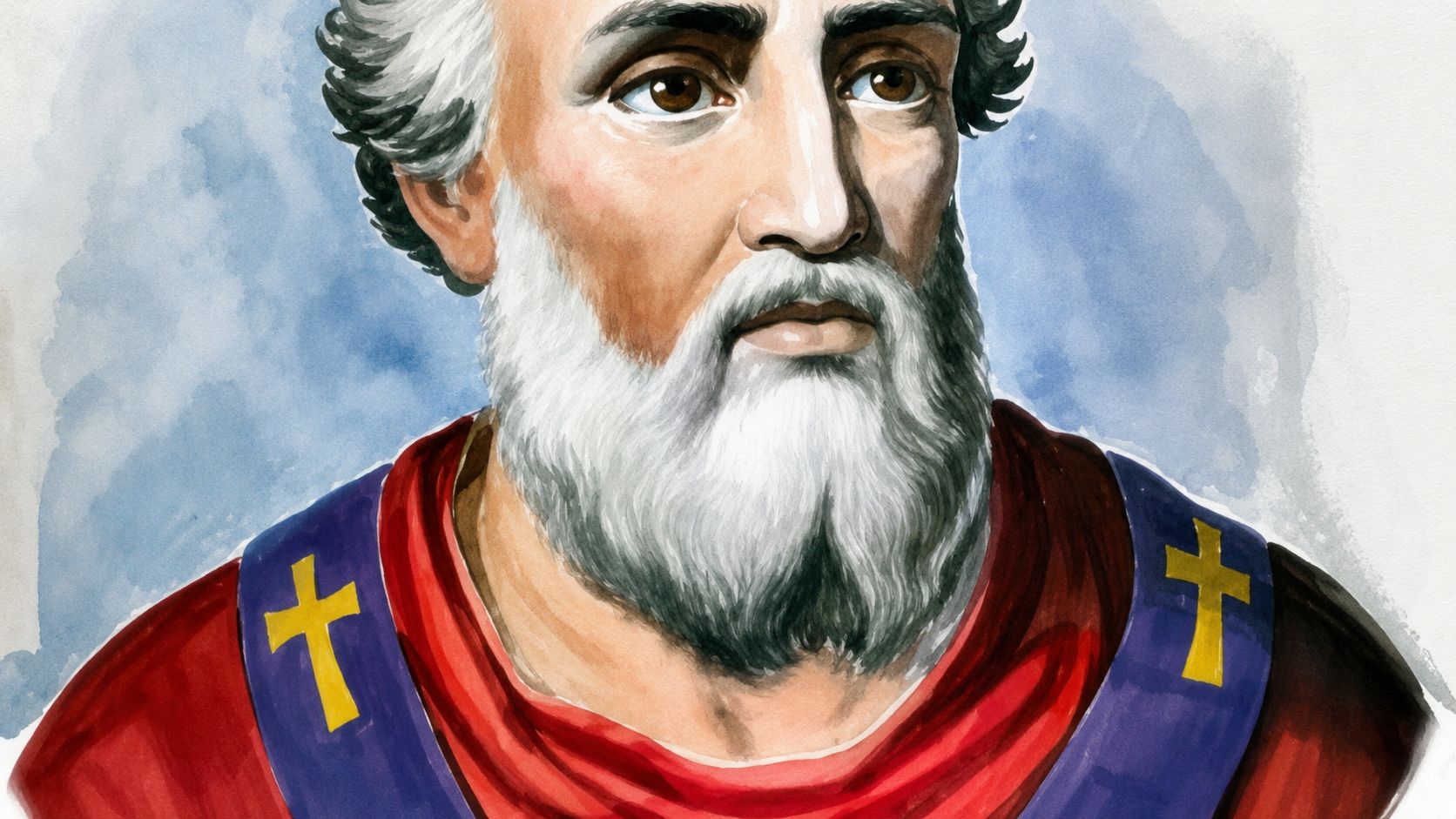
Pope Saint John I: The Martyr Pope Who Bridged East and West—and Died in a Goth’s Prison
Pope Saint John I occupies a tragic place in papal history. He reigned for less than three years. He died not in Rome, but in a Ravenna prison. An Arian king threw him there. The charges were false. The treatment was cruel. Yet this frail Tuscan deacon accomplished something remarkable before his death. He healed a schism that had divided Eastern and Western Christianity for over forty years, secured relief for persecuted Arians in Constantinople. He returned home a diplomatic success. His reward was chains, darkness, and death. The Church remembers him on May 18.
From Tuscan Deacon to Prisoner of the Goths
John was born in Tuscany, likely near Siena. The exact date of his birth remains unknown. He entered Church service in Rome as a deacon. Early records reveal a complicated political past. In 506, he wrote a libellus to Pope Symmachus. He confessed his error in opposing Symmachus, condemned the antipope Laurentius and Peter of Altinum. He begged pardon. This document identifies him as a former partisan of Laurentius, the rival claimant during the papal schism of 498-506.
Roman synod records from 499 and 502 list a “Deacon John” as a signatory. The Roman church maintained only seven deacons at that time. This makes the identification highly probable. The philosopher Boethius may have dedicated three religious tractates to this same Deacon John between 512 and 520. These treatises explored theological questions that would dominate the era.
John was already elderly and frail when the papacy came to him. Pope Hormisdas died in 523. The clergy elected John to succeed him. He was still an archdeacon. His protests against elevation went unheeded.
Theodoric’s Drastic Change of Heart
The political situation in Italy was volatile. Theodoric the Goth ruled as king. He subscribed to Arian Christianity. For years, he had tolerated and even favored his Catholic subjects. This policy shifted dramatically around the time of John’s election.
Two events triggered the change. First, ranking members of the Roman Senate exchanged treasonable correspondence with Constantinople. At least, Theodoric viewed it as treasonable. Second, Emperor Justin I ascended the Byzantine throne. He was the first Catholic emperor in fifty years. He promptly enacted a severe edict against heretics.
Eastern Arians appealed to Theodoric for protection. The Goth king threatened war against Justin. He ultimately chose negotiation instead, assembled a delegation of five bishops and four senators and named Pope John as its head. The pope resisted strongly. Theodoric overruled him.
The king issued a chilling threat. If John failed in his mission, Theodoric would unleash reprisals against non-Arian Christians across the West. The frail pope had no choice. He gathered his entourage and set out for Constantinople.
Diplomatic Success in the Eastern Capital
John’s traveling party was considerable. Fellow bishops Ecclesius of Ravenna, Eusebius of Fanum Fortunae, and Sabinus of Campania accompanied him. Roman senators Flavius Theodorus, Inportunus, and the patrician Agapitus rounded out the secular delegation.
Emperor Justin received John with honor. He promised to fulfill every request the embassy made. There was one exception. Converts from Arianism to Orthodoxy would not be “restored.” They could not retain their former places in the Orthodox hierarchy as deacons, priests, or bishops. Despite this limitation, John achieved his primary goal. He persuaded Justin to moderate the anti-Arian decree. Reprisals against Catholics in Italy could now be avoided.
The pope’s visit produced an even greater fruit. The Western and Eastern Churches had suffered schism since 482. Emperor Zeno’s Henoticon had triggered the breach. John’s diplomacy brought about reconciliation. The churches reunited after more than four decades of division.
Imprisonment and Death in Ravenna
While John negotiated in Constantinople, dark events unfolded in Italy. Theodoric grew more suspicious by the day. He ordered the execution of the philosopher Boethius and his father-in-law Symmachus on charges of treason. These were men John knew personally. The philosopher had possibly dedicated treatises to him. The father-in-law shared a name with the pope John had once opposed.
Word reached Theodoric of the friendly relations between Pope John and Emperor Justin. The Goth king concluded they were plotting against him. This was paranoia, not proof. Yet in Theodoric’s mind, the pope had become a traitor.
The delegation returned to Ravenna, Theodoric’s capital. Guards arrested John immediately. They threw him into prison. The conditions were brutal for a man of his age and frailty. Neglect and ill-treatment accomplished what no executioner needed to. John died on May 18, 526. His body was transported to Rome. It was buried in the Basilica of St. Peter.
Legacy and Veneration
The Liber Pontificalis credits John with repairing three Roman cemeteries. He restored the burial grounds of martyrs Nereus and Achilleus on the Via Ardeatina, repaired the cemetery of Felix and Adauctus and tended the cemetery of Priscilla. These acts of piety marked his brief pontificate before the fatal embassy.
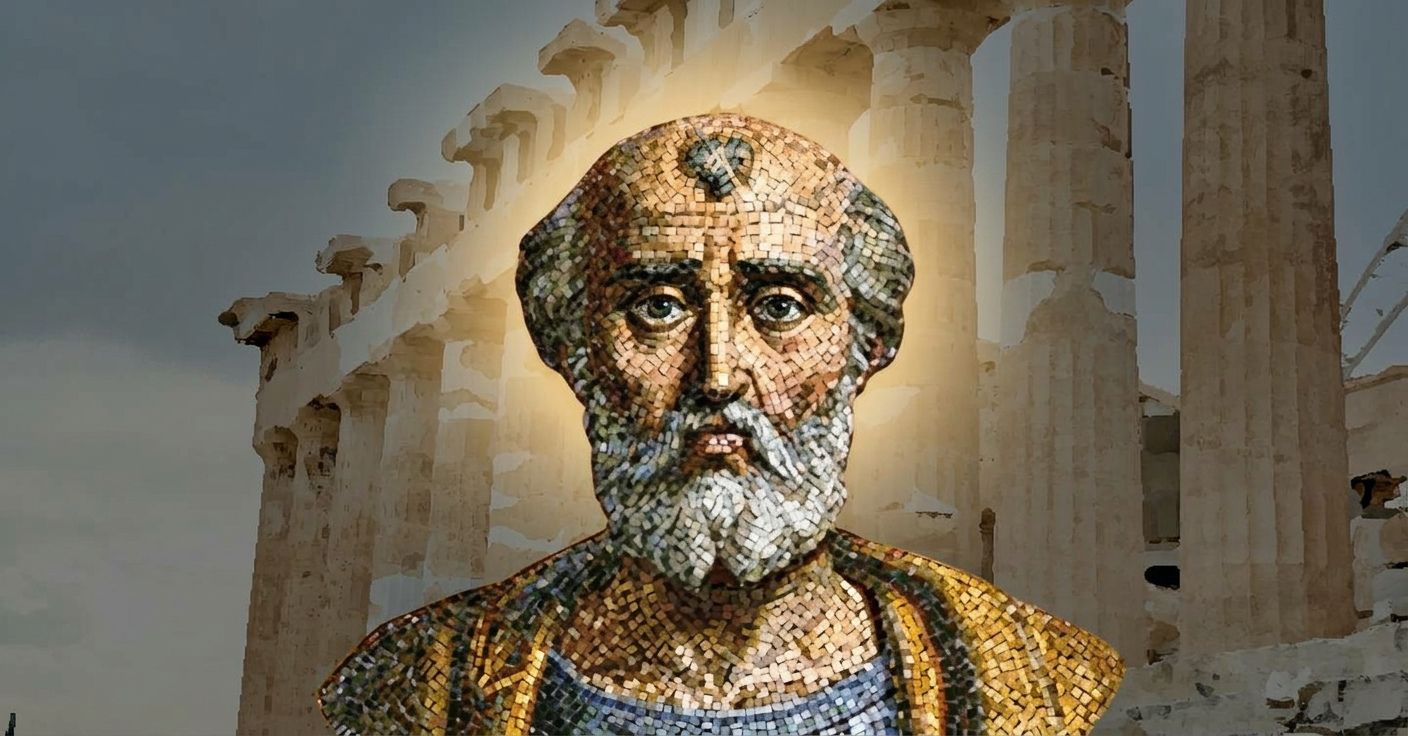
Artists depict him in a distinctive manner. He appears looking through the bars of a prison. Alternatively, he is shown imprisoned alongside a deacon and a subdeacon. These images capture the essence of his martyrdom. He died not for refusing to deny Christ, but for serving the Church in a political minefield.
His cult flourishes at Ravenna and in Tuscany. His feast day is May 18, the anniversary of his death. The date was formerly observed on May 27. The Church later corrected it to reflect the actual day he died in Theodoric’s prison.
Pope Saint John I teaches several enduring lessons. Diplomacy in the service of the Church can be dangerous. Reconciliation across divisions demands courage. And holiness does not require a long reign or a peaceful death. Sometimes, three years, a prison cell, and a battered body are enough to secure a place in the Church’s calendar of saints.


Leave a Reply