
Six New Venerables Show That Holiness Fits Every State of Life
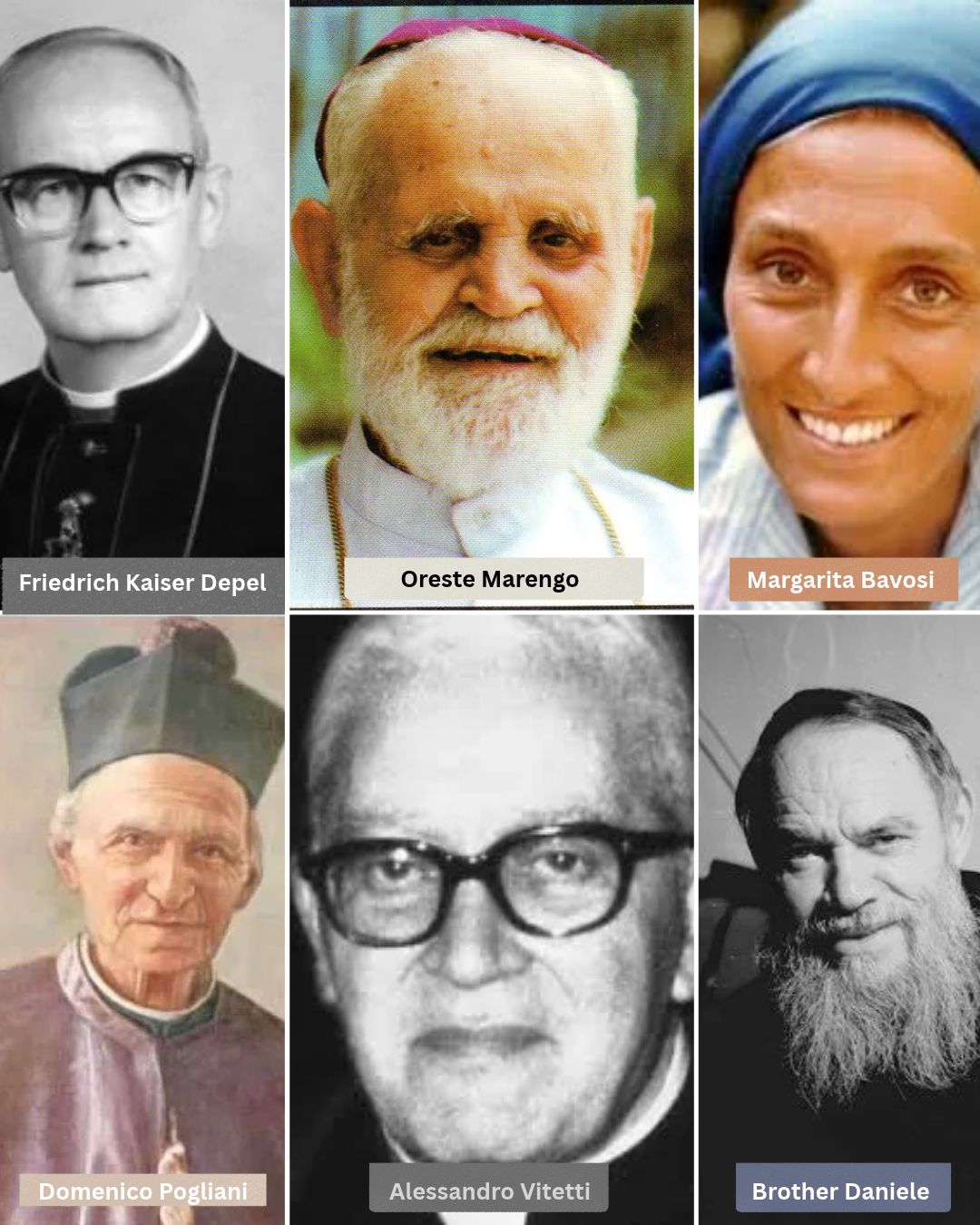
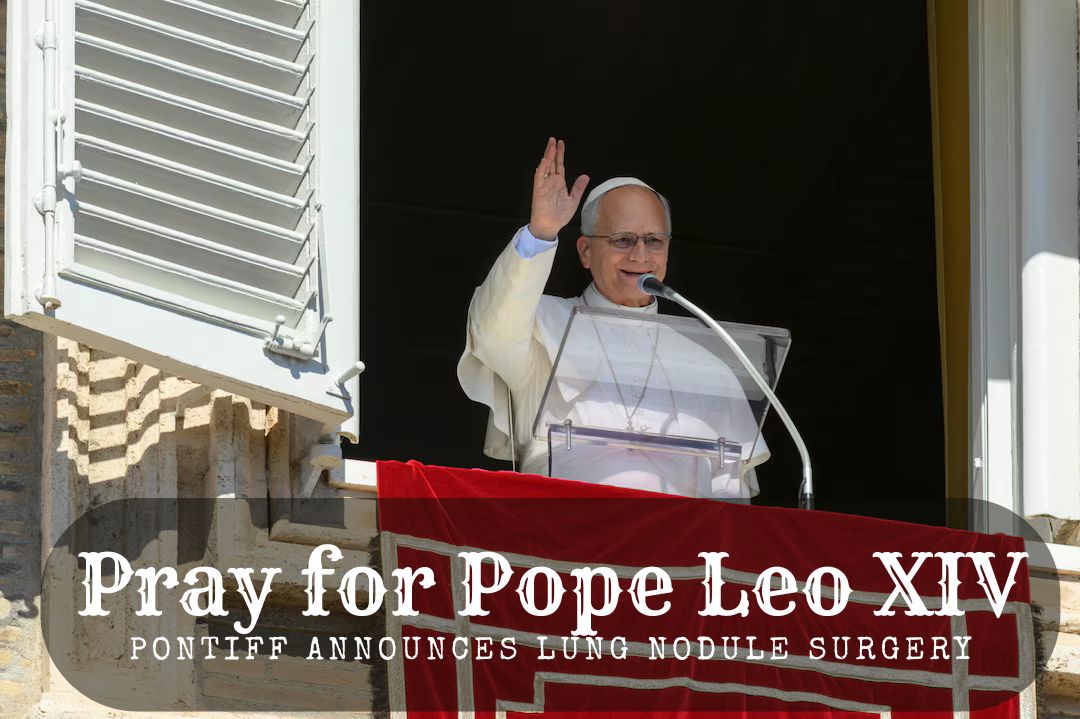
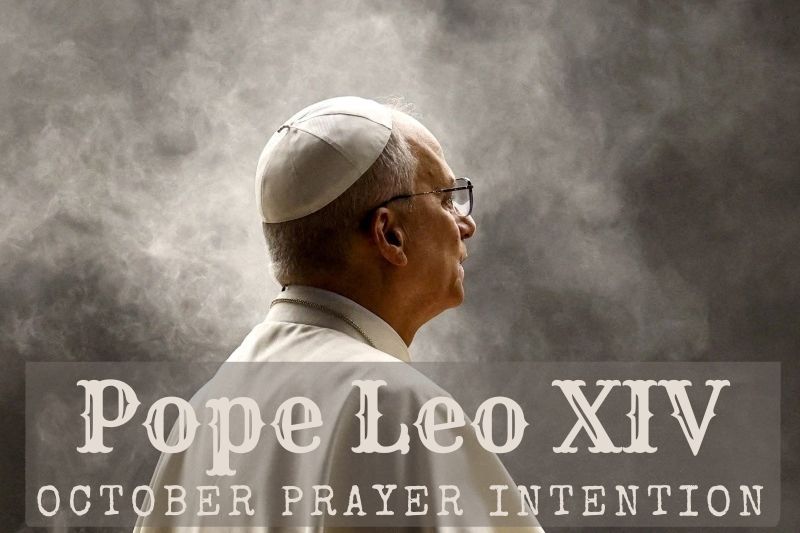
On Saturday, October 24, 2026, Pope Leo XIV recognised the heroic virtues of six Servants of God. As a result, the Church now calls the six new Venerables by that title. Cardinal Marcello Semeraro, Prefect of the Dicastery for the Causes of Saints, presented the decrees. Moreover, the group includes two missionary bishops, two priests, a Capuchin friar and a laywoman. Therefore, the news shows that holiness does not depend on rank or place.
First, consider what the title means. The Church studies each cause in stages. A person first becomes a Servant of God and the Church then examines their life. If the Pope recognises heroic virtue, the person becomes Venerable. Afterwards, the Church usually requires a miracle through their intercession before beatification. Only then do they become Blessed and a second miracle leads to canonisation. Thus, today’s decrees mark an important step but not the last.
Friedrich Kaiser Depel was born on May 24, 1903, in Dülmen, Germany. He joined the Missionaries of the Sacred Heart and became a priest in 1932. Then, in 1939, he travelled to Peru. In 1957, Pope Pius XII named him the first prelate of Caravelí. After an earthquake in 1960, he worked to provide water and rebuild the cathedral. In addition, he founded the Missionary Sisters of Jesus, Word and Victim. He died in Lima on September 26, 1993.
Oreste Marengo was born on August 29, 1906, in Diano d’Alba, Italy. At 13, he moved to Turin to begin his Salesian formation. In 1923, he sailed to north-eastern India with 8 other novices. He became a priest in 1932 and in 1951 he became the first bishop of Dibrugarh. Later, he led the Diocese of Tezpur and served as apostolic administrator of Tura. Moreover, he helped refugees and welcomed priests from other parts of India. He died on July 30, 1998.
Margarita Bavosi was born on September 19, 1941, in Buenos Aires, Argentina. Her mother died when she was 10. After she graduated in history, she joined the Focolare Movement and learned its charism of unity from Chiara Lubich. Friends called her “Luminosa” because of her bright and cheerful spirit. She led the movement in Paraná and later helped to guide its work in Spain and Uruguay. Sadly, she developed a lung disease and died on March 7, 1985, at the age of 43.
Domenico Pogliani was born in Milan on December 18, 1838. He became a priest in 1861 and served in several parishes. Later, as parish priest of Cesano Boscone, he opened a nursery school and an oratory for girls. He also founded a care home, which housed four hundred people by the First World War. In addition, the home included a department for boys with intellectual disabilities and several workshops. He died on July 25, 1921, and people soon began to pray at his tomb.
Alessandro Vitetti was born on October 12, 1915, in Cirò, Calabria. He became a priest in 1940 and taught in the seminary of Cariati. During the Second World War, he cared for the poor. Later, he served as chancellor and in several other diocesan roles. In 1964, he joined a secular institute of missionary priests. Many people sought him as a confessor. In his final years, illness left him blind and unable to move, yet he said, “I cannot see, I cannot hear, but I believe.” He died on February 24, 1995.
Brother Daniele of San Giovanni Rotondo was born Michele Natale on March 11, 1919. As a boy, he worked as a shepherd and people remembered his cheerful smile. At 14, he met Saint Pio of Pietrelcina, who blessed him and encouraged his vocation. He joined the Capuchins and chose to remain a lay brother. During the bombings of 1943, he helped the wounded and buried the dead in Foggia. Afterwards, he founded prayer groups in Italy and abroad. He died on July 6, 1994.
What can we learn from these lives? First, they show that mission can mean building a well or teaching Scripture. Second, they remind us that suffering can become a witness of faith. Third, they prove that ordinary work, such as caring for children or the elderly, can lead to heroic love. To learn more, read the Vatican News and the Angelus. You can also read All Saints Day 2026 on Catholic Gist International.
In conclusion, the six new Venerables offer fresh hope to the whole Church. They came from Germany, Italy and Argentina, and they served in Peru, India and Europe. Likewise, they remind us that every vocation can lead to sainthood. Therefore, let us ask for their prayers. May we, too, grow in faith, hope and love.

Leave a Reply