
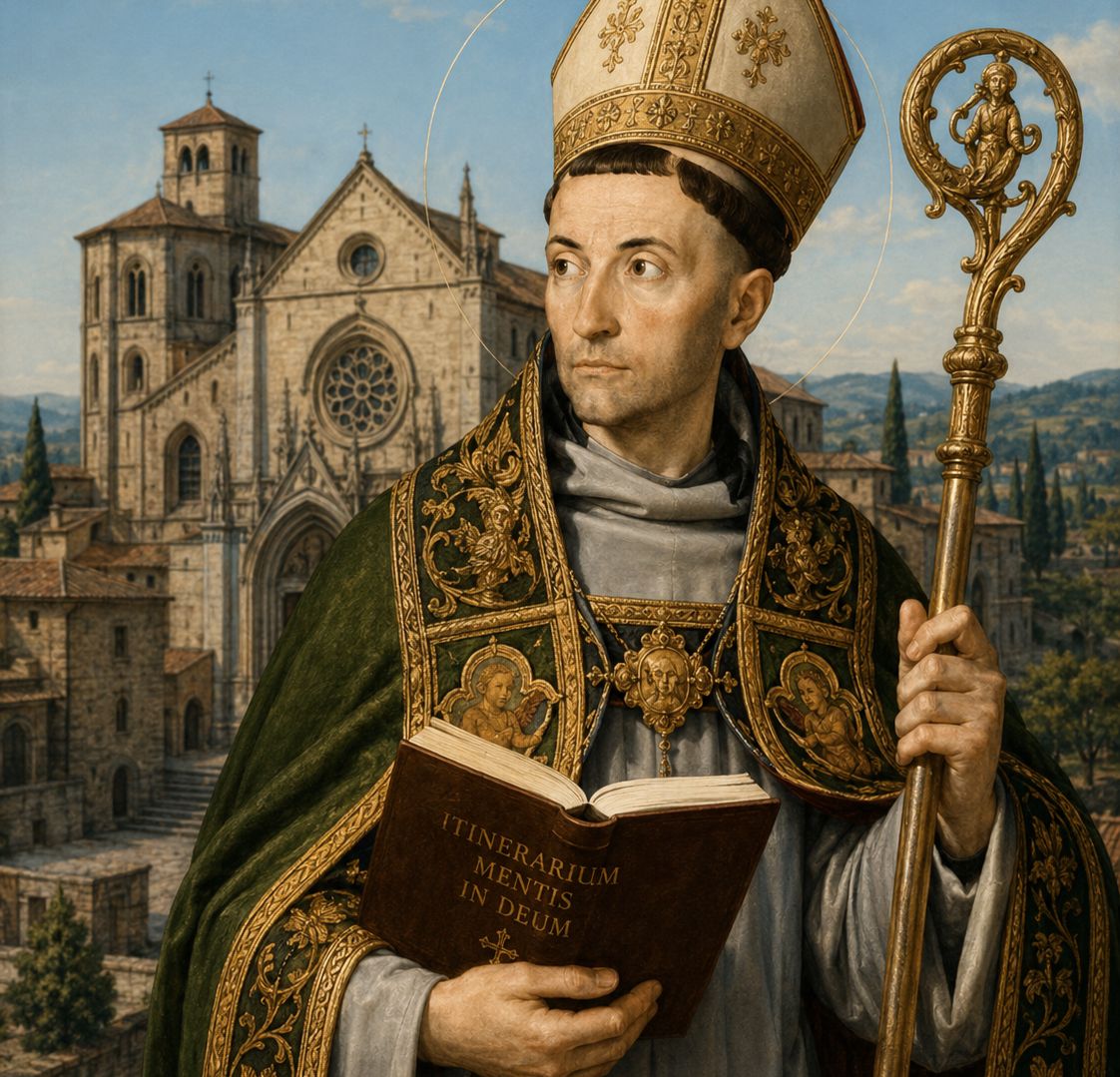
Saint Bonaventure, the Seraphic Doctor of the Catholic Church, is honoured each year on July 15, the anniversary of his death in 1274. This date holds deep significance because it marks the day he passed away while attending the Second Council of Lyons. Consequently, the Church chose to commemorate his life on this same day, cementing his legacy within the Franciscan tradition.
An Unusual Beginning
Saint Bonaventure was born Giovanni di Fidanza in 1221, in the town of Bagnoregio, located in Italy’s Lazio region. According to tradition, he received his famous name through a dramatic encounter with Saint Francis of Assisi. When Bonaventure fell gravely ill as a child, his mother pleaded with Francis to pray for his recovery. As Francis foresaw the boy’s future greatness, he reportedly exclaimed, “O Buona ventura!” meaning “O good fortune!” This moment, therefore, gave rise to the name history would remember him by.
Joining the Franciscan Order
At twenty-two years old, Bonaventure entered the Franciscan Order, beginning a path that would define the rest of his life. Soon afterward, he traveled to Paris to continue his studies under Alexander of Hales, a respected English Franciscan scholar. After Alexander’s death, Bonaventure continued his education under John of Rochelle, deepening his theological training.
While in Paris, Bonaventure formed a close friendship with Saint Thomas Aquinas, another towering figure of medieval theology. Interestingly, when both men were set to receive the Doctor degree together, Bonaventure insisted that Aquinas receive the honour first, despite his friend’s objections. This gesture reflected the humility that would later define his character. Like Aquinas, Bonaventure also enjoyed the friendship and support of King Saint Louis IX of France.
Leadership Within the Franciscan Order
By the age of thirty-five, Bonaventure had risen to become General of the Franciscan Order. During this period, internal disputes had disturbed the Order’s unity, but he successfully restored peace among its members. Additionally, he composed an influential biography titled The Life of St. Francis, which remains an important historical and spiritual text. He also assisted in the solemn translation of the relics of Saint Anthony of Padua.
Bonaventure’s influence extended beyond his own Order. When Pope Clement IV nominated him as Archbishop of York, he humbly requested to be excused from accepting the position. However, Pope Gregory X later insisted that he accept an even greater responsibility: the role of Cardinal and Bishop of Albano, one of Rome’s six suffragan Sees. Before his death, Bonaventure resigned as General of the Franciscan Order, choosing to focus fully on his episcopal duties.
Death at the Second Council of Lyons
Saint Bonaventure died on July 15, 1274, while actively participating in the Second Council of Lyons. His contributions there proved significant, as they helped bring about a temporary union between the Greek and Latin churches. Some historical accounts even suggest his death may have involved suspicious circumstances, though later scholars has not confirmed this theory.
Remarkably, in 1434, 160 years after his death, his body was transferred to a new church. During this transfer, his head was discovered to be entirely incorrupt, with his Hair, Lips, and Teeth still perfectly preserved. This event deeply moved the people of Lyon, who subsequently adopted him as their city’s patron saint. Unfortunately, his remains did not survive history unscathed; Huguenots burned his body in 1562, and his preserved head was later lost during the French Revolution.
Legacy as a Doctor of the Church
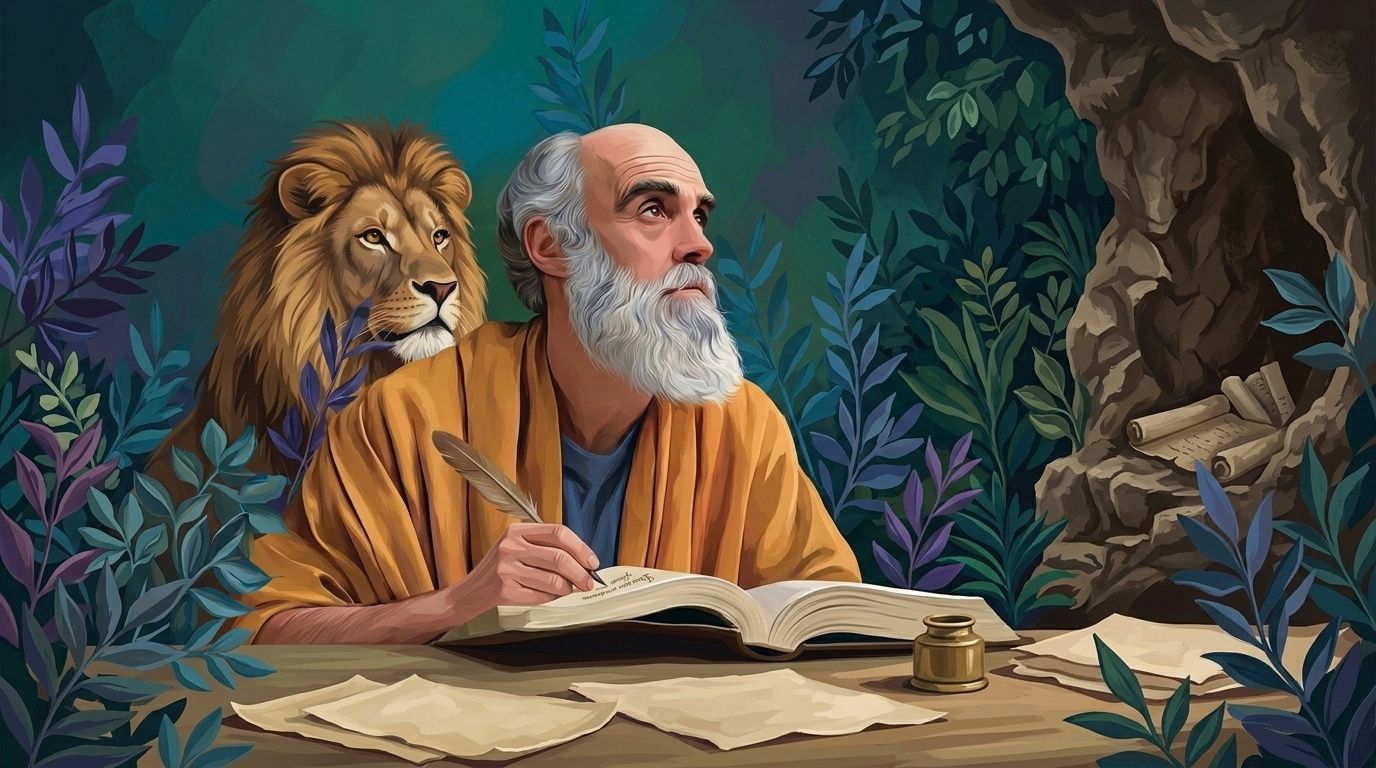
Pope Sixtus IV formally canonized Bonaventure in 1482, and Pope Sixtus V later named him a Doctor of the Church in 1588, bestowing upon him the title “Seraphic Doctor.” Throughout his life, Bonaventure authored numerous influential theological works, including The Mind’s Road to God and The Tree of Life, both of which continue to shape Franciscan spirituality today.
His theology skillfully blended faith and reason, drawing heavily from Augustine of Hippo while incorporating Aristotelian principles. For readers interested in exploring more Church history from this era, the Franciscan Media archive offers additional insight into Bonaventure’s writings and influence.
Ultimately, Saint Bonaventure remains one of the most influential Theologians in Catholic history, admired for uniting deep intellect with humble devotion. His willingness to step back from personal honour, paired with his lasting theological contributions, continues to inspire scholars and believers alike. Today, he is remembered as the patron saint of bowel disorders, a fitting testament to a life defined by both scholarly brilliance and quiet humility.


Leave a Reply