
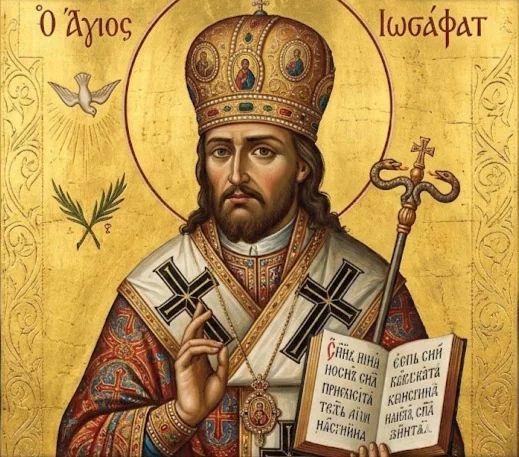
Archbishop Who Died for Christians Unity
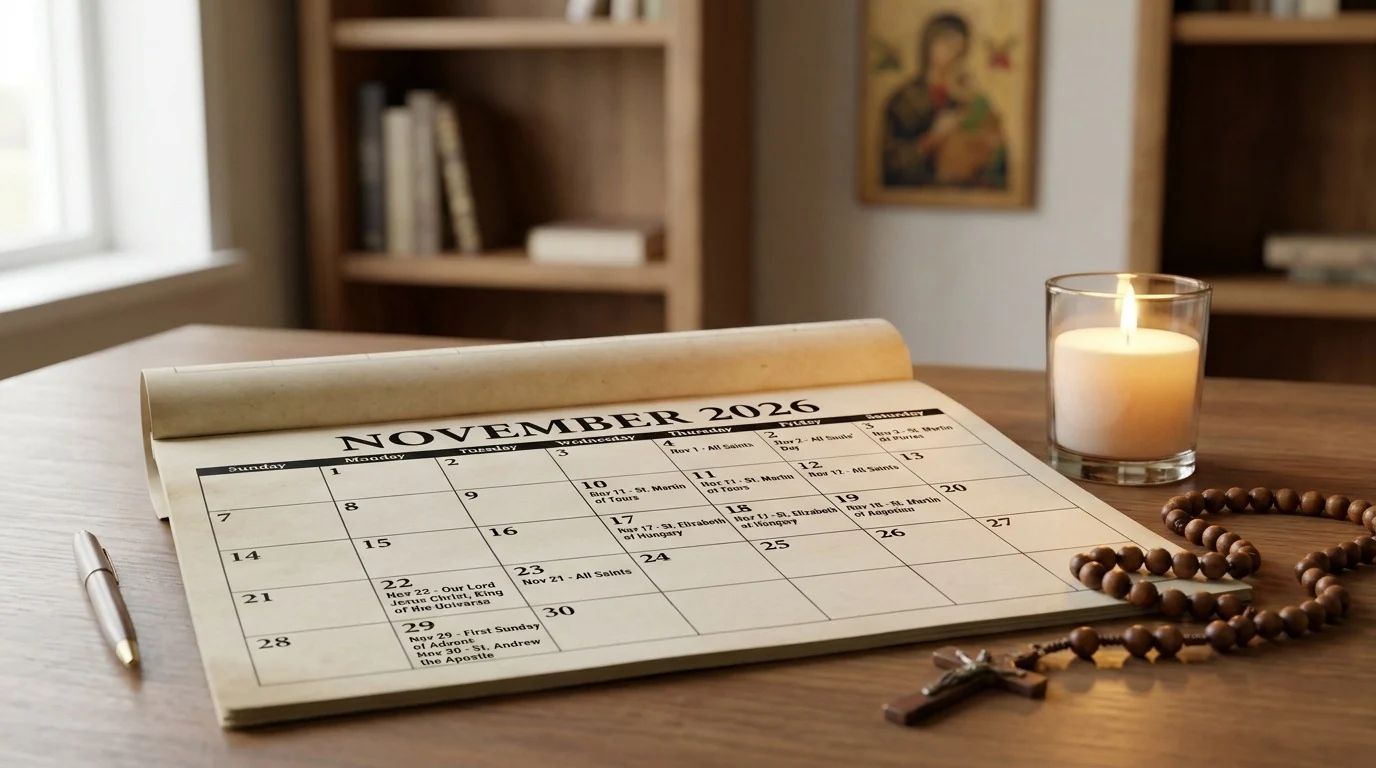
The Church keeps the Saint Josaphat feast day on November 12. This memorial honours Josaphat Kuntsevych, an Eastern Catholic archbishop and martyr. He died in 1623 after he worked for unity between Eastern Christians and Rome. Moreover, the Eastern Catholic Churches celebrate him on the same date. Therefore, his story speaks to everyone who longs for peace among Christians.
First, consider his early years. Josaphat was born around 1580 in Volodymyr, in the region of Volhynia, which now lies in Ukraine. At baptism, he received the name Ivan, or John. Some writers give 1584 as the year of his birth. As a boy, he trained as a merchant’s apprentice in Vilnius. However, he grew more interested in prayer than in trade. Consequently, he began to pray the Jesus Prayer and to fast.
Around 1604, he entered the Basilian monastery of the Holy Trinity in Vilnius, and he took the name Josaphat. His monastic life followed the Byzantine tradition. He prayed for long hours and served the poor. Afterwards, he received ordination as a priest in 1609. In addition, he soon became known as a gifted preacher and a strict reformer. Thus, his superiors trusted him with greater tasks.
To understand his work, one must know the Union of Brest. In 1596, several Orthodox bishops in the Polish–Lithuanian Commonwealth accepted union with Rome. They kept their Eastern rites and customs. However, many Orthodox faithful rejected the union, and the community split. As a result, tensions rose between those who had accepted it and those who had not. Josaphat believed that Christ wanted his Church to be one. Therefore, he dedicated his life to this cause.
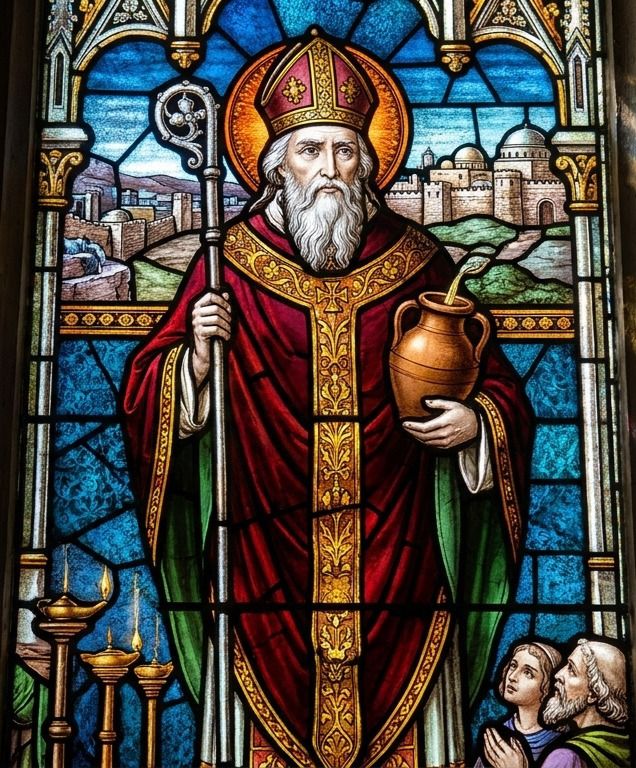
Josaphat worked on several fronts. With Metropolitan Josyf Rutsky, he helped to unite the Basilian monasteries into a single order in 1617. He also wrote and preached to explain the union. Moreover, he urged his clergy to live holy lives and to follow the Eastern liturgy with care. In 1618, he became Archbishop of Polotsk and Vitebsk. In that role, he visited parishes, repaired churches and corrected abuses. Many people respected his zeal and humility.
However, others resented him. Some Orthodox leaders saw him as a threat to their tradition. In 1620, Patriarch Theophanes of Jerusalem restored an Orthodox hierarchy in the region. As a result, two rival Churches now claimed the loyalty of the same people. Tensions grew sharper in the city of Vitebsk. Accounts suggest that his enemies spread rumours and hostile pamphlets. Friends warned Josaphat of danger, but he kept visiting his flock.
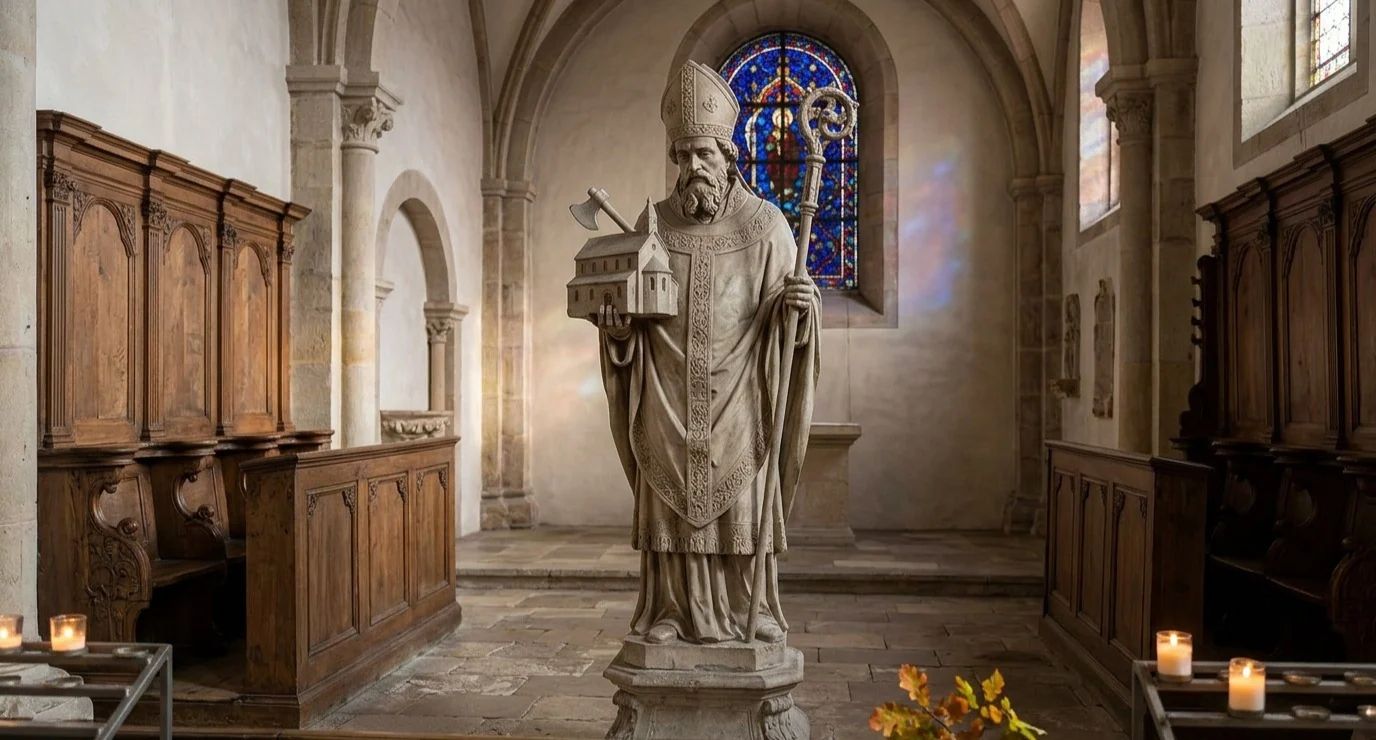
Then came November 12, 1623. While Josaphat was visiting Vitebsk, an angry mob attacked his residence. According to the Catholic Encyclopedia, one blow of an axe and a bullet ended his life. The crowd stripped his body and threw it into the river. Later, believers recovered it. Thus, he became a martyr for the unity of the Church. The authorities punished many of the rioters, and the event left deep wounds in the region.
After his death, devotion to him grew quickly. Pope Urban VIII beatified him in 1643. Then, on June 29, 1867, Pope Pius IX canonised him. He is the first Eastern Catholic saint canonised in a formal process by Rome. Today, his relics rest in Saint Peter’s Basilica. Interestingly, the Orthodox archbishop Meletius Smotrytsky, an opponent of the union, later accepted it. Catholics have attributed this change to Josaphat’s intercession.
What lessons does he offer? First, he teaches that unity must come from love and prayer, not from force. Indeed, his death shows the cost of violence and mistrust. Second, he honoured the Eastern tradition and never asked his people to give up their rite. Today, the Catholic Church teaches that unity does not mean uniformity. In 1993, Catholic and Orthodox theologians also agreed that the methods of the past, which pressured people, cannot serve unity today. Third, he calls us to forgive.
For many Orthodox Christians, the memory of Josaphat remains painful. Some see him as a symbol of division. Therefore, Catholics should speak about him with humility and respect. Reconciliation starts with listening. To learn more, read the Catholic Encyclopedia entry at New Advent and the Ukrainian Catholic Archeparchy of Philadelphia.
In conclusion, the Saint Josaphat feast day invites Christians to pray for unity with courage and gentleness. He died for a cause that is still unfinished. Likewise, he reminds us that reconciliation requires patience and respect. Therefore, let us ask for his prayers. May the Lord heal the wounds between his followers and make us one.
Leave a Reply