

The Life and Legacy of a Young Franciscan
Feast day of Saint Rose of Viterbo
The Catholic Church celebrates the feast day of Saint Rose of Viterbo on 4th September each year.This date marks the historical translation of her relics to the monastery where she rests today.The citizens of Viterbo hold an extraordinary festival on the eve of her feast day. Local residents carry a giant illuminated tower through the narrow city streets. This structure stands over thirty metres tall and honours her enduring spiritual protection.
Early life and extraordinary miracles of Saint Rose of Viterbo
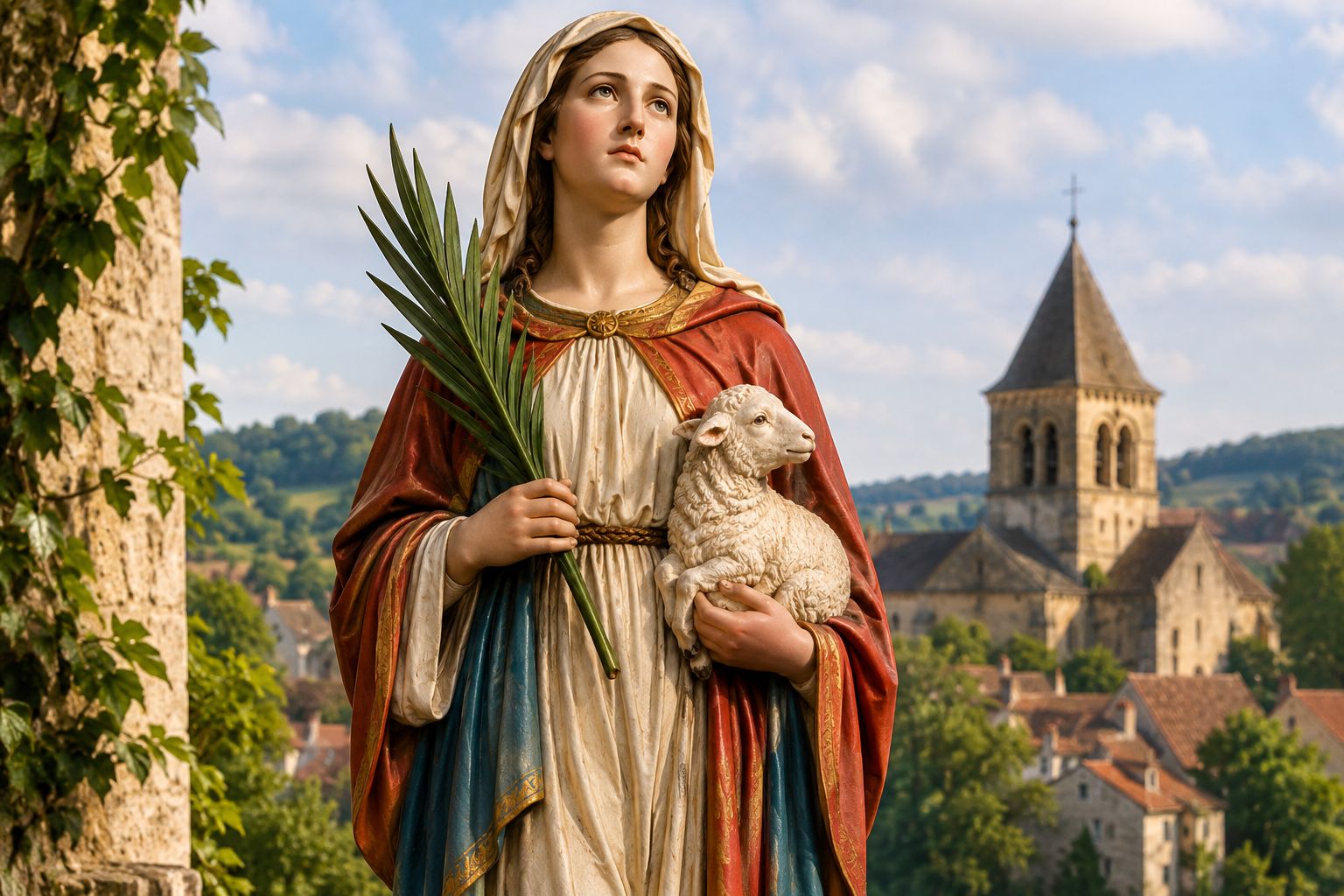
Saint Rose of Viterbo was born in central Italy around the year 1233. Her parents were humble and poor, yet they raised her with deep Christian devotion. Extraordinary events surrounded her life from her earliest childhood years.
At just three years old, she restored her deceased Aunt to life through fervent prayer. Another famous account involves her carrying bread to local poor citizens. When her father stopped her in the street, the hidden bread miraculously turned into fresh roses.
When she reached seven years of age, she chose a recluse life in her family home. She spent countless hours praying and doing severe penance for sinners. During a severe illness, the Blessed Virgin Mary appeared to the young girl. Mary instructed her to join the Third Order of Saint Francis. She received a mission to preach penance publicly to her fellow citizens.
Public preaching and political exile in Viterbo
The young teenager soon stepped onto the public streets to proclaim the Gospel. At that time, Emperor Frederick II controlled her hometown during a bitter conflict with the Pope. Saint Rose of Viterbo bravely spoke against the imperial forces occupying the region.
She carried a simple crucifix through the streets. Her passionate words inspired the local people to defend the Church. Observers reported that the stone beneath her feet lifted into the air while she spoke. Her growing popularity alarmed the local imperial officers.
Rather than executing the young girl, the city magistrate banished her family in 1250. They took refuge in nearby towns during their painful exile. While exiled, she accurately predicted the sudden death of Emperor Frederick II. After his death, papal forces regained control and her family returned home safely.
During her travels, she also converted a local Sorceress. She stood unharmed inside a burning pyre for three full hours to demonstrate God’s power. This dramatic event convinced the entire town to embrace the Christian faith.
Rejection, early death and lasting incorrupt body
After returning home, Saint Rose of Viterbo sought admission to the local Poor Clares convent. The nuns refused her entry because her poor family could not afford a financial dowry. She accepted their harsh refusal with remarkable humility and gentle dignity.
She told the nuns that they would welcome her body after her death and returned to her modest home to continue her quiet life of prayer. On March 6, 1251 she passed away at eighteen years of age. Modern medical examinations suggest a rare heart condition caused her early death.
Several years after her death, Pope Alexander IV experienced vivid visions of the young maiden. He ordered her body moved to the very convent that had rejected her. Workers exhumed her body and discovered it completely incorrupt.
Pope Callistus III officially canonised Saint Rose of Viterbo in 1457. Today, her incorrupt body remains on display in Viterbo. Faithful pilgrims visit her sanctuary every day to seek her powerful intercession. She remains a shining example of courage, faith, and unconditional love for God.









Leave a Reply