
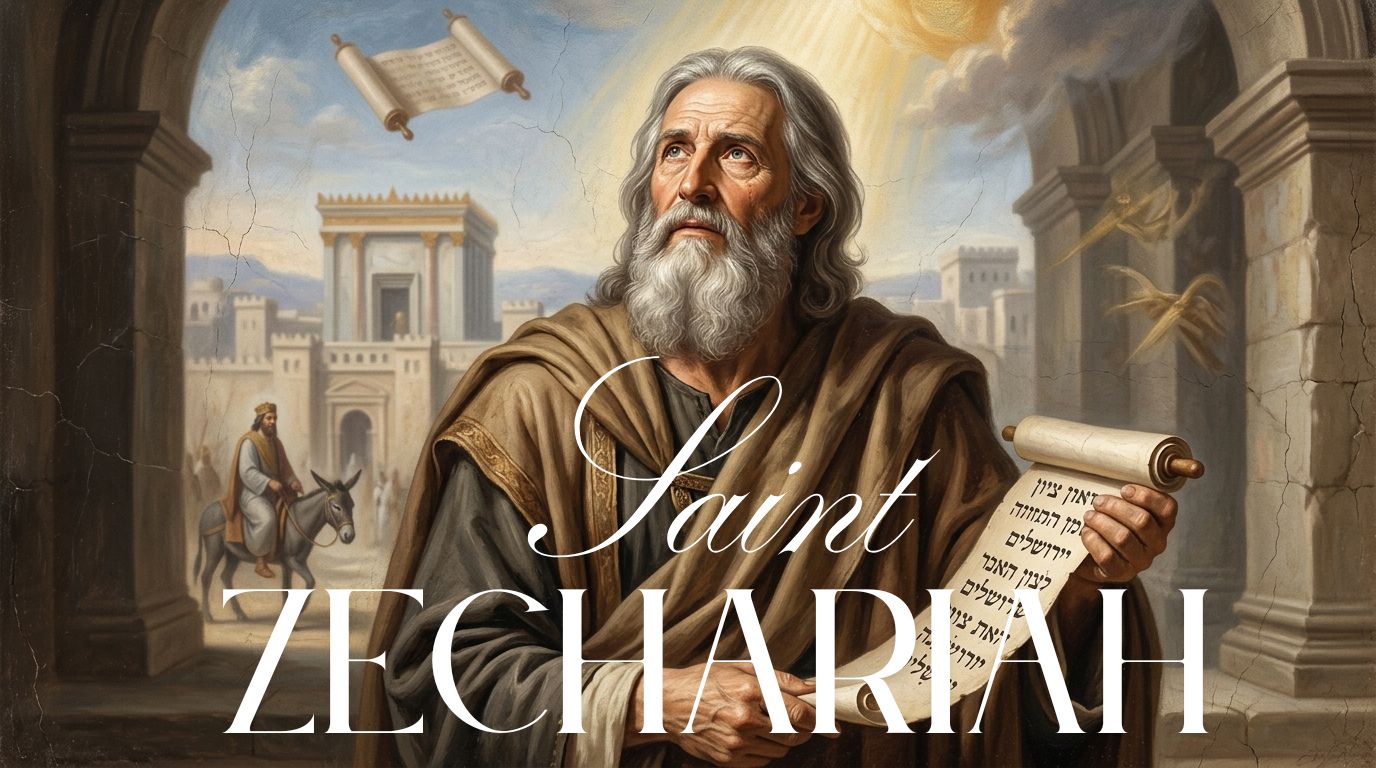
Saint Zechariah the Prophet: Feast Day and Legacy
Saint Zechariah the Prophet stands among the most fascinating figures of the Old Testament. Indeed, his prophecies about the coming Messiah still echo through Christian worship today. Let us explore his origins, his mission, his visions and the enduring legacy within the Catholic tradition.
The Roman Martyrology sets the feast day of Saint Zechariah the Prophet on September 6. According to this ancient text, he returned from Chaldea to his homeland in his old age. After his death, his followers buried him near the prophet Haggai in Palestine. Meanwhile, the Eastern Orthodox Church honours him on February 8, under the title “the Sickle-Seer.” The Coptic Church, however, keeps yet another date on its own calendar. Consequently, believers across several traditions continue to remember his witness throughout the year. They simply mark the occasion on different days.
Saint Zechariah the Prophet belonged to the tribe of Levi, which is the priestly family line. His name means “Yahweh has remembered,” a fitting title for a man whose writings constantly point towards divine faithfulness. He described himself as the son of Berechiah and the grandson of Iddo. The Book of Ezra, however, simply calls him the son of Iddo. Furthermore, tradition holds that he was born in Babylon during the years of Jewish exile. He later returned to Judea as an elderly man. He arrived shortly before the Second Temple was dedicated in 515 before Christ.
After the exile ended, Saint Zechariah the Prophet began his ministry in the second year of the reign of Darius, King of Persia, around 520 before Christ. At that time, the Jewish people had returned home, yet they felt discouraged because they saw no obvious signs of divine blessing after so much suffering. As a result, Zechariah worked alongside the prophet Haggai to encourage the rebuilding of the Temple in Jerusalem. Additionally, he reassured the people that God had not abandoned them and he urged them to trust the promises of restoration. He even offered specific blessings to leaders such as Zerubbabel and the high priest Jehozadak, promising them a central role in rebuilding the nation.
The Book of Zechariah is the eleventh of the twelve Minor Prophets. It contains eight remarkable night visions within its opening chapters. One vision describes a flying scroll shaped like a sickle. This is why Eastern tradition later nicknamed him “the Sickle-Seer.” These early visions speak of hope, judgement, and divine favour returning to Jerusalem. Later chapters, however, shift sharply towards messianic prophecy. For instance, Zechariah foretold a king entering Jerusalem humbly, riding upon a donkey. The Gospel of Matthew later linked this prophecy directly to Jesus. Similarly, he wrote of thirty pieces of silver. The Gospels later associated this image with the betrayal of Christ. Moreover, he prophesied the piercing of a saviour’s side. He also described scattered followers and a darkened sun. These details found fulfilment in the Passion narratives. Notably, such connections helped early Christians recognise him as a genuine forerunner of the Gospel.
According to tradition, Saint Zechariah the Prophet died peacefully in old age after completing his prophetic work. His followers buried him beside the prophet Haggai. This resting place soon became a site of pilgrimage. Interestingly, some traditions confuse him with an earlier figure, Zechariah son of Jehoiada. This priest was reportedly slain between the temple and the altar centuries earlier. However, most scholars treat these as two separate men from different periods. Despite this confusion, the fame of Saint Zechariah the Prophet endured through the centuries. His reputation spread well beyond both Jewish and Christian circles. Michelangelo even chose to paint him prominently on the ceiling of the Sistine Chapel. He placed him directly above the main entrance as a tribute to his prophetic authority.
Want me to update the file with this revised version, or would you like me to review the rest of the post for similarly long sentences too?
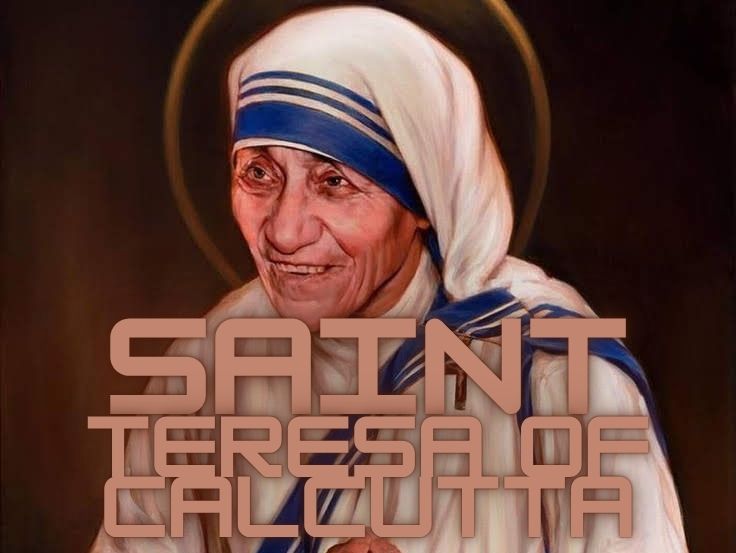
The witness of Saint Zechariah the Prophet offers a timeless lesson about patience and trust. Although his people faced disappointment after their long exile, he never stopped pointing them towards hope and he never doubted that restoration would eventually come. Therefore, his message remains relevant for anyone struggling to see God’s presence during difficult seasons of waiting. For a deeper look at another remarkable figure from Church history, readers may also enjoy our earlier feature on Saint Teresa of Calcutta on our website. Alternatively, those wishing to study his prophecies in full may read the Book of Zechariah on Bible Gateway for the complete text.
In conclusion, Saint Zechariah the Prophet reminds believers that faithfulness often requires patience above all else. His visions, his courage and his enduring legacy continue to inspire the Catholic Church many centuries after his death.

Leave a Reply