
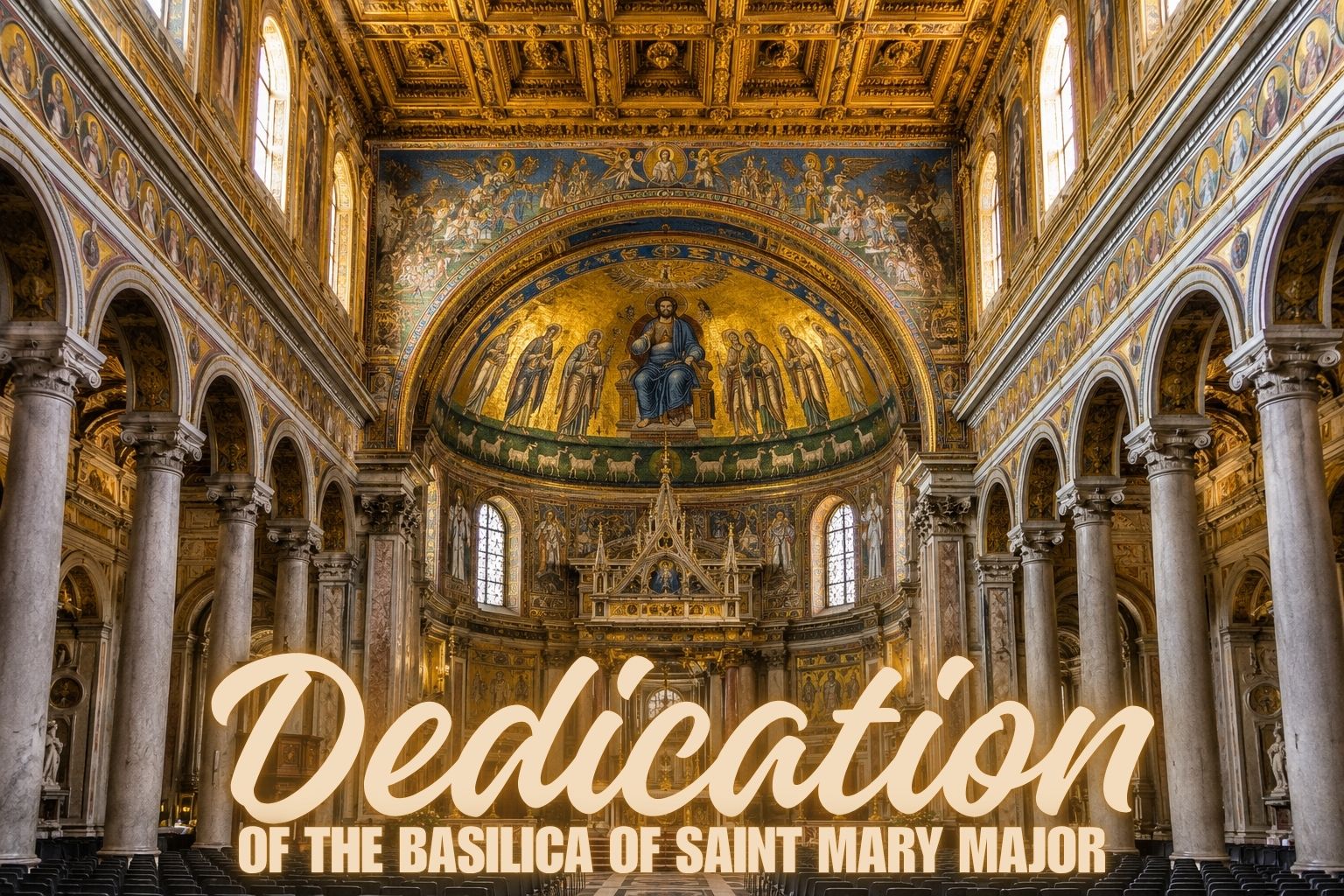
The Dedication of the Basilica of Saint Mary Major celebrates one of the most beloved legends in the entire Marian tradition. Every summer, worshippers in Rome gather to remember a miraculous snowfall that supposedly determined the exact location of the largest church ever built in Our Lady’s honour. That story has shaped centuries of devotion, architecture and liturgical custom. We will trace the legend behind the feast, the Basilica’s remarkable history and the traditions still observed today.
The Dedication of the Basilica of Saint Mary Major Falls on August 5
The Catholic Church celebrates the Dedication of the Basilica of Saint Mary Major every year on August 5, marking the anniversary of the church’s original consecration. Since the fourth century, both the Roman and Ambrosian liturgical calendars have observed this date. Today, the feast holds the rank of optional memorial within the wider Church calendar.
A Legend Born From a Childless Couple’s Prayer
According to tradition, a wealthy Roman couple named John had no children to inherit their fortune under Pope Liberius. Rather than leave their wealth without purpose, they vowed to make Mary their heir and asked her wishes. On the night of August 4-5, 358, Mary appeared in a dream, telling them to build on snow. That same night, Pope Liberius experienced an identical vision.
Snow Falls in the Middle of a Roman Summer
The following morning, in the height of Rome’s hot summer season, snow miraculously covered the summit of the city’s Esquiline Hill. Pope Liberius led a solemn procession of clergy and faithful to the site, where he personally traced the outline of the new church directly into the snow. Construction began soon afterward, funded entirely by John and his wife’s donated fortune. This remarkable event gave the Basilica its enduring secondary name, Our Lady of the Snows, alongside its original title, the Liberian Basilica.
Growth Into One of Rome’s Four Great Basilicas
The original structure was later rebuilt and expanded under Pope Sixtus III following the Council of Ephesus in 431, which formally declared Mary to be Theotokos, or Mother of God. That theological milestone shaped the Basilica’s continued dedication to Mary and cemented its importance within the wider Church. Today, Saint Mary Major stands as one of Rome’s four papal Basilicas, alongside Saint John Lateran, Saint Peter’s and Saint Paul Outside the Walls. Remarkably, it remains the only one of the four that has preserved its original architectural structure across more than sixteen centuries.
Sacred Relics Housed Within the Basilica
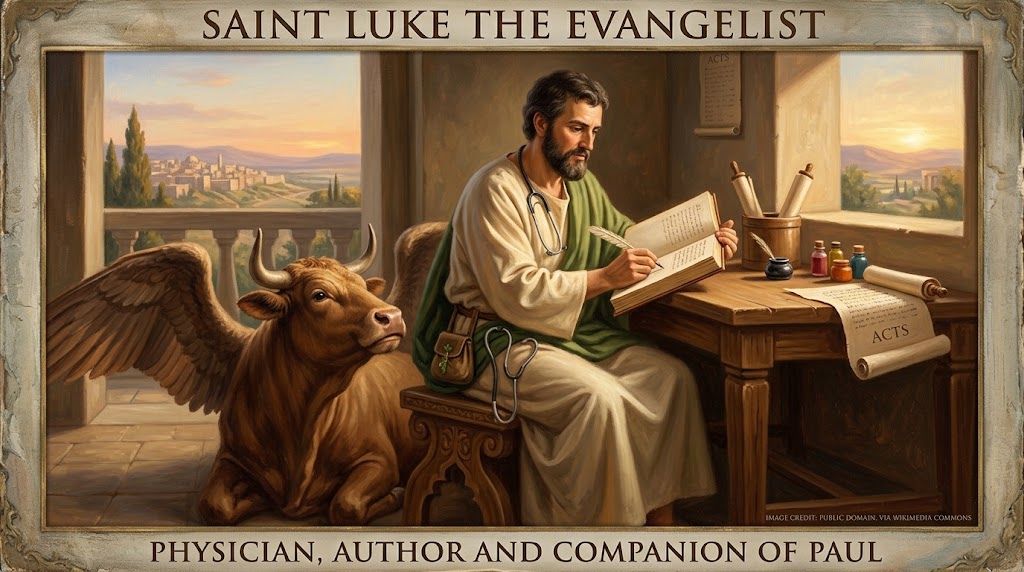
Beyond its Marian legend, the Basilica holds treasures central to Christian devotion. Beneath its main altar rests a relic believed to be wood from Jesus’ manger, earning the title Saint Mary of the Crib. The Basilica houses the Salus Populi Romani, an ancient Marian icon traditionally attributed to Saint Luke the Evangelist. Its nave displays fifth-century mosaics, among Rome’s oldest and most significant surviving examples of early Christian art.
A Tradition That Continues Every August 5
Each year, the Basilica of Saint Mary Major recalls the miracle through a striking liturgical custom. During Solemn Mass, white rose petals fall from the coffered ceiling, echoing the ancient summer snowfall. At sunset, an artificial snowfall is staged outside the Basilica, drawing pilgrims and tourists alike. For centuries, nearly every Pope has celebrated Mass here, and countless saints have sought Mary’s intercession.
Why This Feast Still Matters Today
The Dedication of the Basilica of Saint Mary Major offers believers more than a beautiful legend; it invites reflection on prompt obedience to God’s guidance and quiet devotion to Mary. Just as John and his wife acted without hesitation once they understood Mary’s wishes, believers today are encouraged to respond readily to the small signs of grace present in daily life. For more on the basilica’s architecture and history, the Vatican’s official overview of Saint Mary Major offers further reading. Readers exploring nearby August feasts can browse the complete August Saints calendar for more.
Leave a Reply