
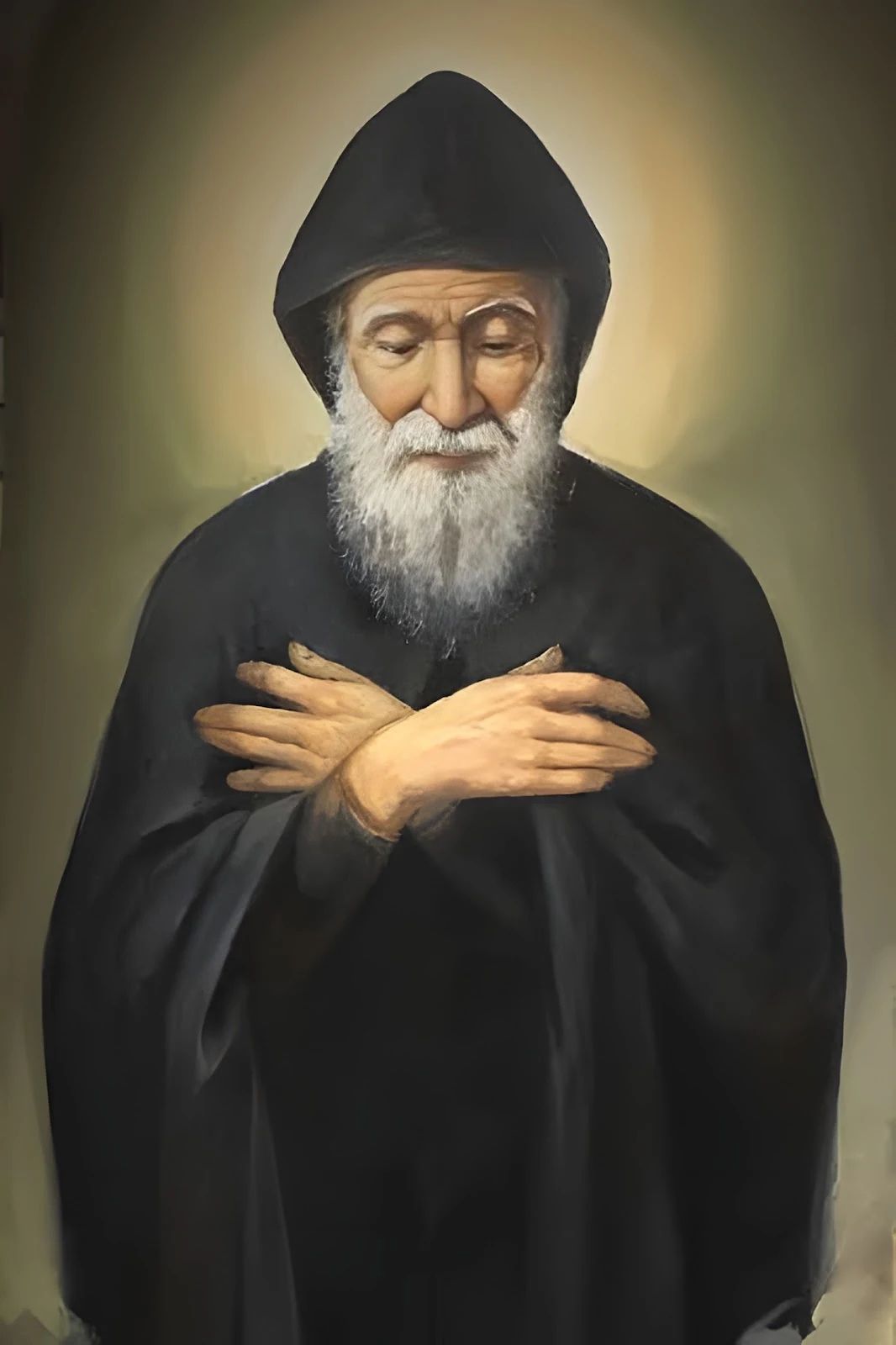
Saint Charbel Makhlouf: The Miracle Monk of Lebanon
The Feast Day and Early Life of Saint Charbel Makhlouf
The Catholic Church honours Saint Charbel Makhlouf on July 24, though Maronite communities also celebrate him on the third Sunday of July, and Lebanon marks his feast on July 23. This spread of observances reflects just how widely his legacy has traveled since his death in 1898.
Saint Charbel Makhlouf was born Youssef Antoun Makhlouf on May 8, 1828, in Bekaa Kafra, the highest village in Lebanon by elevation. He was one of five children born to Antoun Zaarour Makhlouf, a mule driver who passed away when Youssef was still a young boy. Because his mother later remarried a man who became a parish priest, young Youssef grew up surrounded by faith and devotion. Consequently, he developed an early fascination with the lives of the saints, and he often withdrew to a nearby grotto to pray in front of an icon of the Virgin Mary while tending his family’s cattle.
From Village Boy to Maronite Monk
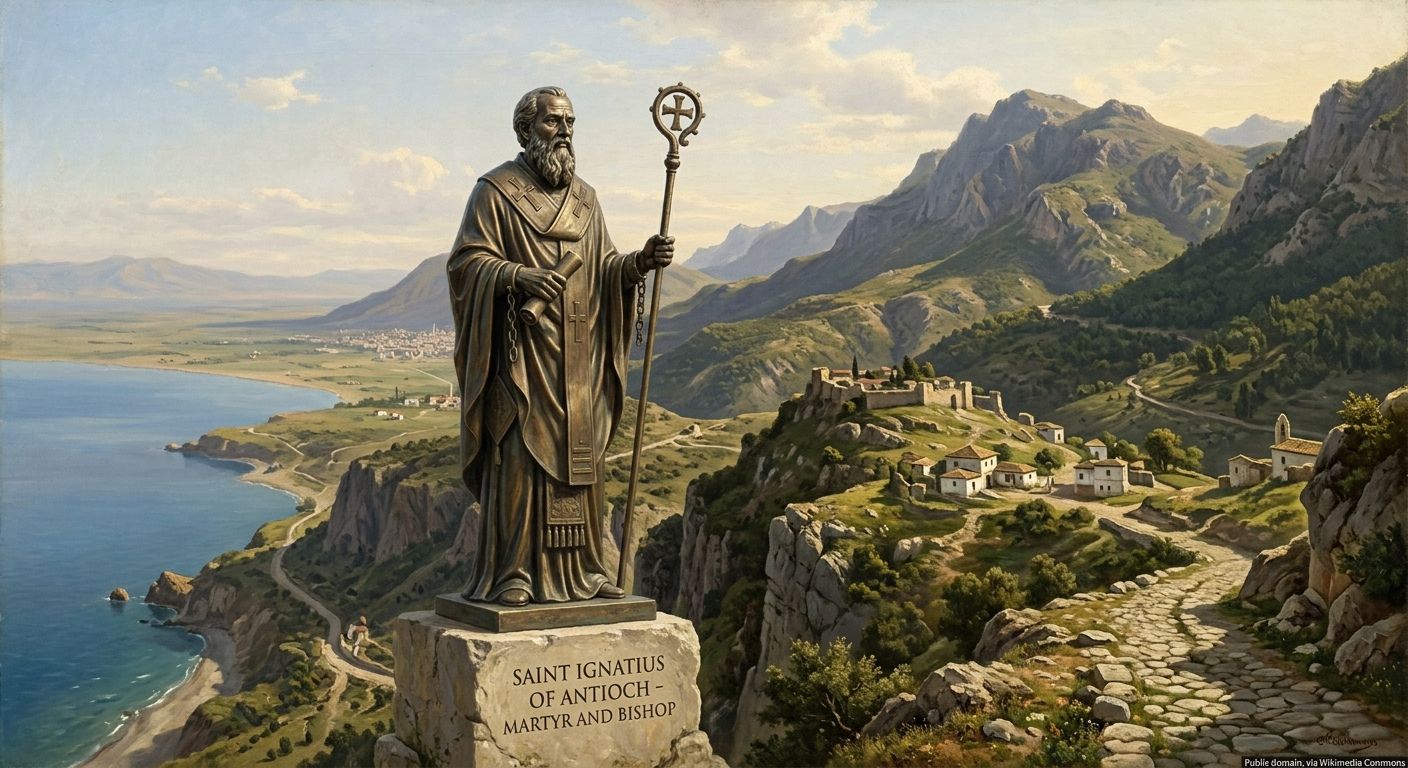
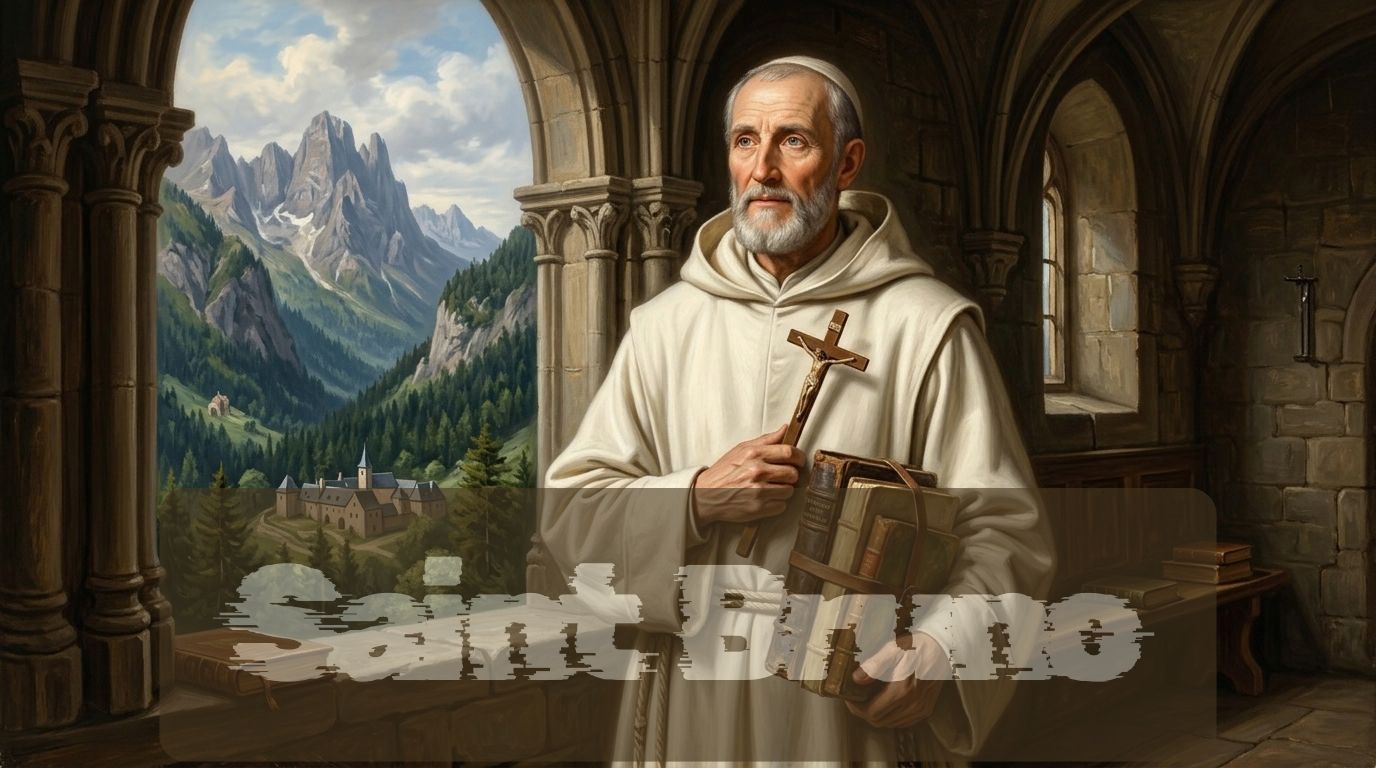
In 1851, Youssef left his family home to begin monastic training with the Lebanese Maronite Order at the Monastery of Our Lady in Mayfouq. Shortly afterward, he transferred to the Monastery of Saint Maron in Annaya, where he received his religious habit and adopted the name Charbel, in honor of a second-century Christian martyr from Antioch. He made his final vows in 1853 and, after several years of studying philosophy and theology, was ordained a priest in 1859.
For roughly sixteen years, Saint Charbel Makhlouf lived within the monastery community, embracing a demanding routine of daily prayer, manual labour, and strict fasting. Because he devoted so many hours to the Divine Liturgy and Eucharistic Adoration, his fellow monks recognized him as an unusually disciplined and humble presence, even among a community already committed to austerity.
Life as a Hermit
Eventually, in 1875, Charbel’s superiors granted him permission to live as a hermit at the nearby Hermitage of Saints Peter and Paul. There, he spent his final twenty-three years in near-total solitude, following a path similar to that of the early desert fathers. Although he remained hidden from public life, word of his holiness nevertheless spread throughout the surrounding region, and pilgrims occasionally sought him out for guidance and prayer.
Saint Charbel died on December 24, 1898, after suffering a stroke while celebrating the Divine Liturgy. According to one of the monks who carried his body, heavy snowfall and dark clouds cleared unexpectedly during the procession to the monastery, an occurrence many at the time viewed as a quiet sign of grace.
Miracles and the Path to Sainthood
Following his burial, reports of extraordinary events began almost immediately. Witnesses described a bright light near his tomb, and when the grave was later opened, his body reportedly remained remarkably preserved, with a mysterious liquid said to flow from it. Medical experts of the era could not offer an explanation. Subsequent exhumations in 1950, 1952, and 1965 similarly noted the body’s unusual condition, although by 1976 it had fully decomposed, leaving only the skeleton behind.
The Church formally opened Charbel’s cause for beatification in 1929, granting him the title Servant of God. Pope Paul VI beatified him in 1965 during the closing days of the Second Vatican Council, then canonized him in 1977. Two healings were officially credited toward his beatification, while a third supported his canonization — cases involving individuals from across Lebanon whose recoveries could not be medically explained.
Since then, Saint Charbel Makhlouf has become associated with tens of thousands of additional reported healings. Perhaps the most well-known involves Nohad El Shami, a Lebanese woman healed of partial paralysis in 1993 after what she described as a dreamlike visitation from two monks, one of whom she later identified as Charbel. She subsequently began a lasting tradition: pilgrims still gather at the Annaya hermitage on the 22nd of every month to pray in thanksgiving for her recovery.
A Legacy That Continues to Grow
Today, devotion to Saint Charbel Makhlouf reaches far beyond Lebanon’s borders. Cities such as New York and Košice, Slovakia, host shrines dedicated to him. Saint Patrick’s Cathedral inaugurated a dedicated space in 2017, and his relics in Košice draw pilgrims from Poland, Ukraine, and the Czech Republic. His image and story likewise continue to circulate through Vatican News, which regularly reports on papal visits connected to his shrine, including Pope Leo XIV’s 2025 pilgrimage to Charbel’s tomb in Annaya.
For readers curious about how devotion to Charbel continues to unfold in the present day, our earlier coverage of the two newly reported 2026 healings offers a look at how his intercession is still shaping lives more than a century after his death.
Ultimately, Saint Charbel Makhlouf remains a model of quiet holiness for Catholics and non-Catholics alike. In a fast-paced world, his life of silence, sacrifice, and prayer continues to draw pilgrims, inspire conversions, and remind believers of the enduring power of humble faith.

Leave a Reply