
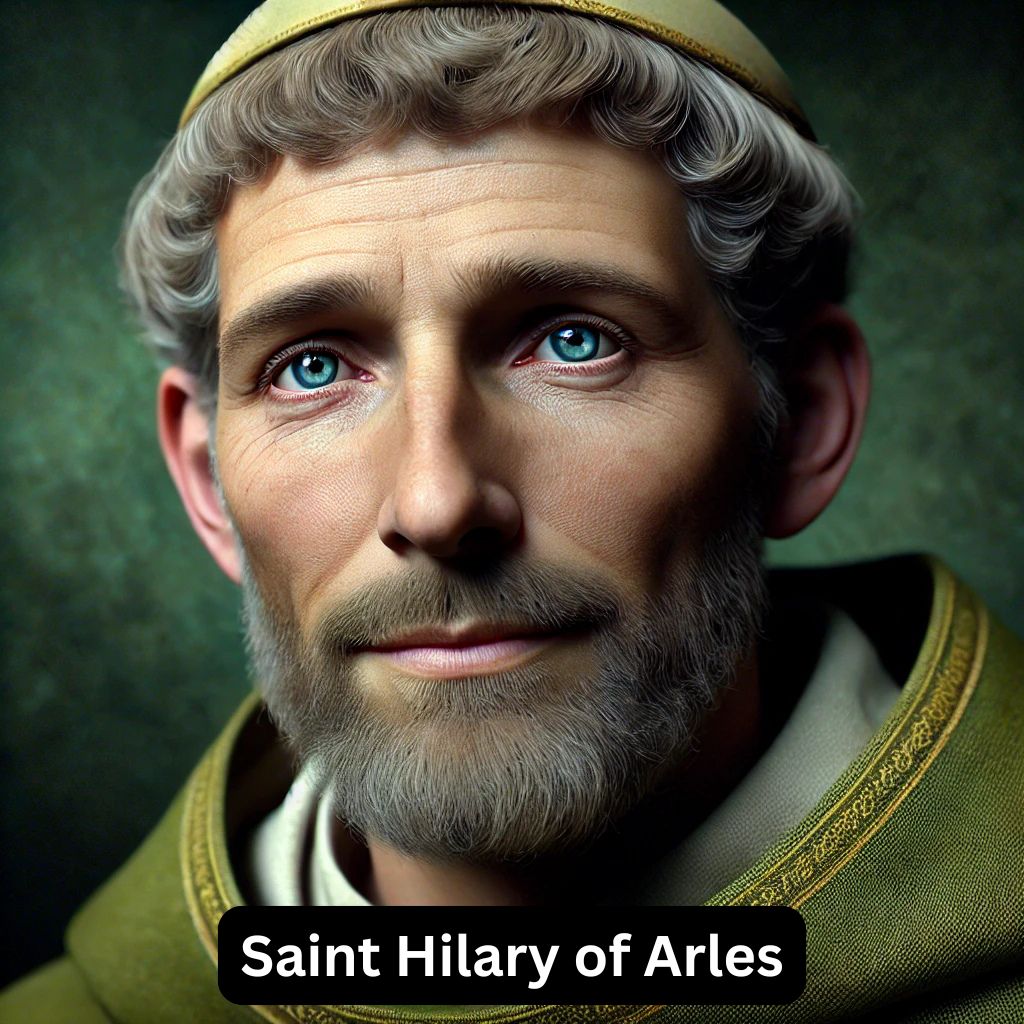
Image Credit: Tom’s Theology Blog
St. Hilary of Arles stands as one of the most influential bishops of the early Church in Gaul, remembered for his holiness, intellectual depth, pastoral care, and courageous leadership during a time of ecclesiastical development and tension. Celebrated on May 5, his life reflects a powerful blend of monastic discipline, episcopal responsibility, and unwavering commitment to the Gospel.
Born around the year 400 into a noble and distinguished family in what is now Lorraine, Hilary was raised in an environment that offered him both privilege and opportunity. Early in life, he showed signs of brilliance and promise, embarking on a secular path that could have led to significant worldly success. However, despite these prospects, Hilary chose a different course—one that would define his legacy for centuries.
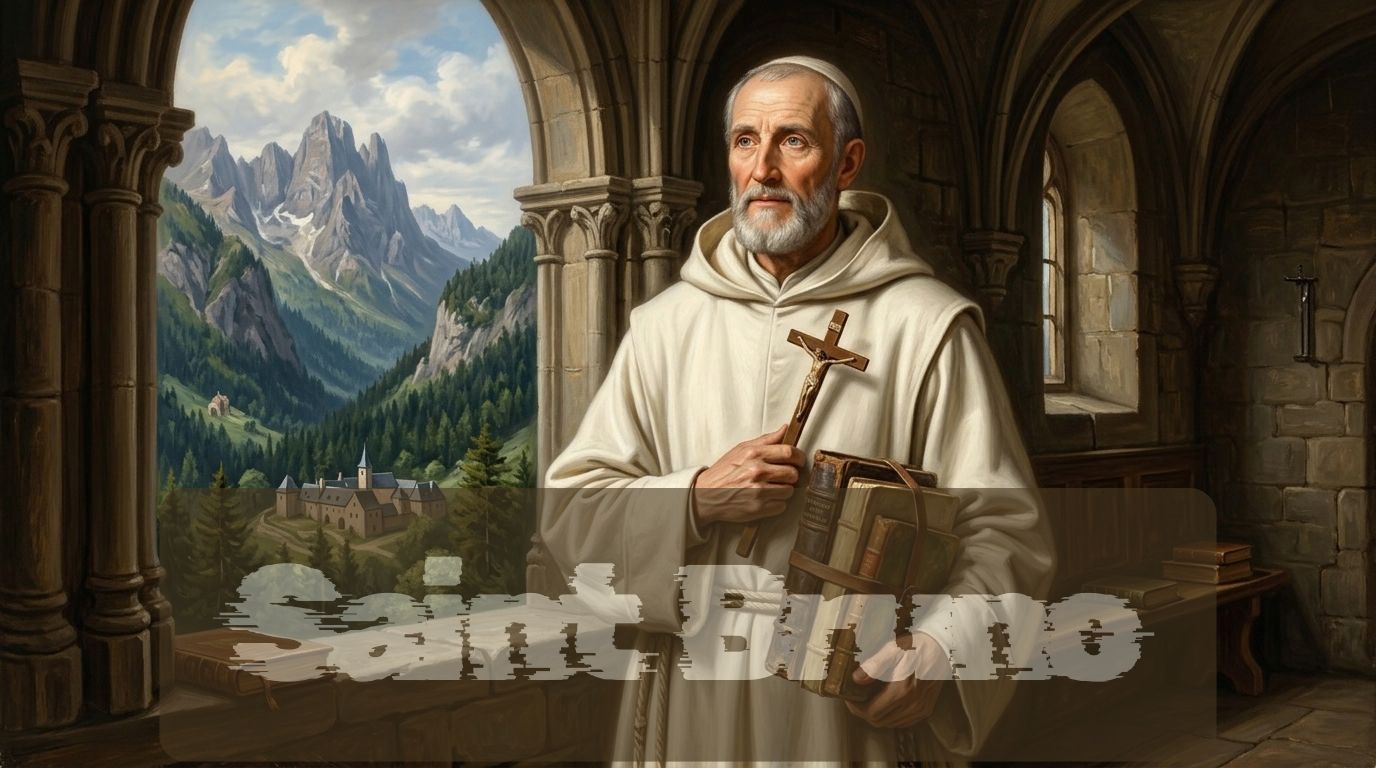
Drawn by a deeper spiritual calling, Hilary renounced his worldly ambitions and joined the renowned monastic community at the Abbey of Lérins, located off the southern coast of France. This monastery, founded and led by his relative St. Honoratus, was a center of Christian learning, discipline, and spiritual formation. Under Honoratus’ guidance, Hilary embraced a life of prayer, study, and asceticism, immersing himself in the monastic ideals that would later shape his episcopal ministry.
Hilary’s dedication and holiness did not go unnoticed. When Honoratus was appointed Bishop of Arles and later passed away, Hilary was chosen as his successor in 429. His appointment marked the beginning of a dynamic and, at times, challenging episcopate in one of the most important sees in southern Gaul. As Bishop of Arles, Hilary inherited not only spiritual responsibilities but also a position of significant ecclesiastical authority.
Inspired by figures like St. Augustine of Hippo, Hilary sought to reform the clergy under his care. He organized his cathedral clergy into a kind of religious community, encouraging them to live in discipline, simplicity, and shared devotion. This approach reflected his monastic roots and his desire to cultivate a spiritually vibrant and morally upright Church.
Hilary became widely known for his personal austerity and deep compassion. He lived simply, often practicing acts of self-denial, and was especially devoted to helping the poor and marginalized. One of the most notable aspects of his ministry was his commitment to ransoming captives—a costly and sacrificial act that demonstrated his profound concern for human dignity and freedom.
However, Hilary’s episcopate was not without controversy. As a metropolitan bishop, he sought to exercise authority over other bishops in the region, particularly in the provinces of Vienne and Narbonne. This included his decision to depose a bishop named Chelidonus of Besançon, who had challenged his authority and claimed independent metropolitan status.
The matter escalated when an appeal was made to Pope Leo I in Rome. In 444, Pope Leo intervened decisively, limiting Hilary’s powers and effectively ending the special ecclesiastical privileges previously granted to the See of Arles. This action was further reinforced by an imperial decree from Emperor Valentinian III, which gave legal weight to the pope’s decision.
While this conflict might suggest division, it also highlights the evolving structure of Church authority during that era. The relationship between regional bishops and the Roman See was still being clearly defined, and Hilary’s case became a significant moment in that development. Despite the tension, Hilary and Pope Leo were eventually reconciled—a testament to humility and unity within the Church.
Beyond his administrative and pastoral duties, Hilary was also a man of letters. He gained a reputation for eloquence and learning, contributing to the intellectual life of the Church. Among his known works are a biography of his mentor, Vita Sancti Honorati, and a poetic work titled Metrum in Genesin. These writings reflect both his theological insight and literary skill, placing him among the notable Christian authors of his time.
Hilary’s life came to an end on May 5, 449, at the age of approximately 48. Though his years were relatively few, his impact was profound. Following his death, he was quickly venerated as a saint, and his name was included in the Roman Martyrology. His legacy endured not only in the region he served but throughout the wider Christian world.
Today, St. Hilary of Arles is remembered as a model bishop—one who combined spiritual depth with active leadership, and who navigated complex challenges with faith and integrity. His life serves as a reminder that true greatness in the Church is not measured by power or position, but by service, humility, and fidelity to Christ.
His story continues to inspire clergy and laity alike, especially those called to leadership within the Church. In an age where the balance between authority and service remains vital, St. Hilary’s example offers timeless guidance rooted in both tradition and holiness.

Leave a Reply