
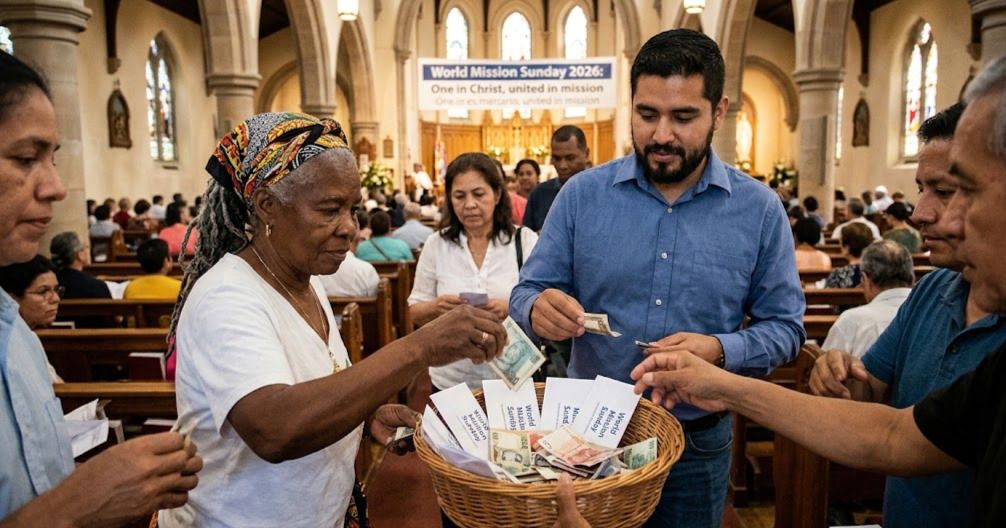
World Mission Sunday 2026 Collection: Where Your Gift Goes
World Mission Sunday 2026 took place on October 18, 2026, and Catholics in every parish gave generously. However, many people still ask the same question. Where does the money actually go? Moreover, this year carries special weight because the Church marked one hundred years of the day. Therefore, it is a good moment to explain how the collection works, using official sources.
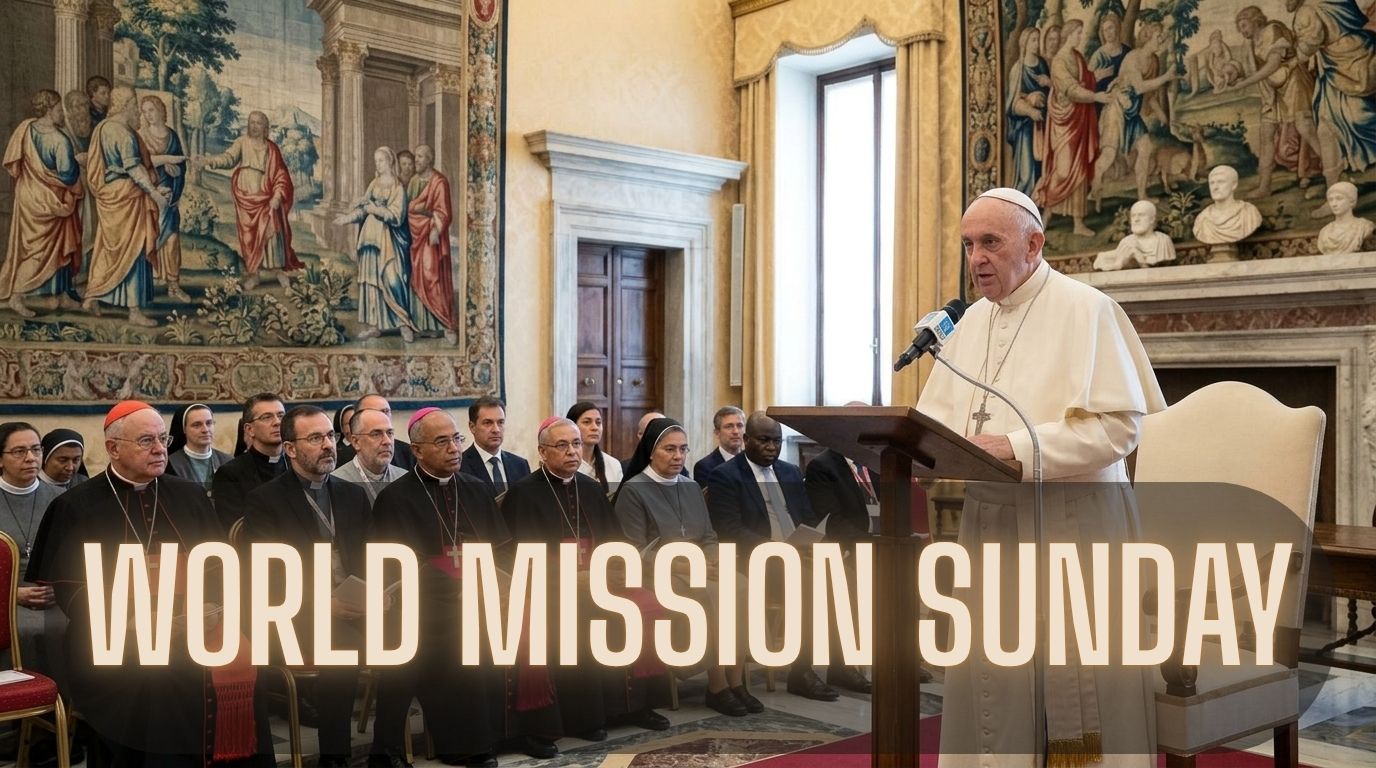
First, consider the purpose of the day. Pope Pius XI established World Mission Sunday in 1926. He wanted every Catholic to share responsibility for the Church’s missionary work. The first worldwide collection followed in 1927. Interestingly, organisers first took the collection in January, which linked it to the gifts of the Magi at Epiphany. Later, the Church moved it to October. Thus, the day now combines prayer, awareness and giving.
Next, look at who runs the collection. The Pontifical Mission Societies, known in some countries as Missio, organise it for the Pope. In fact, four societies make up this network, and Pius XI gave three of them the title pontifical in 1922. Among them, the Society for the Propagation of the Faith promotes the day, gathers the offerings and shares them out. Furthermore, the network now works under the Dicastery for Evangelisation. Offices exist in more than one hundred and twenty countries.
So what happens to your offering? First, you place it in the parish collection. Then your parish sends it to the diocese. After that, the diocese passes it to the national office of the Pontifical Mission Societies. Finally, the national office sends it on to Rome. There, every offering joins the Universal Solidarity Fund. Consequently, gifts from rich and poor countries flow into one common pool. The Vatican describes it as the Holy Father’s fund.
Then comes the process of sharing. Each year, mission dioceses submit requests for help. For example, they ask for catechetical programmes, seminaries and support for religious communities. Likewise, they request funds for communication, transport and the building of chapels, orphanages and schools. The national directors of the Society for the Propagation of the Faith then vote on these requests. As a result, the available money goes where the need is greatest. According to the official description, the fund is fully distributed to mission dioceses.
How far does the money reach? Sources give slightly different figures, but all agree on the scale. More than one thousand one hundred mission dioceses receive regular annual help. These are young Churches in Africa, Asia, Oceania and parts of Latin America. In many of them, the Church is small, poor or even persecuted. Moreover, each territory receives a relatively modest sum. Therefore, the strength of the fund lies in the number of givers rather than the size of each gift.
The results are real. In 2025, Catholics in the United States alone enabled the societies to provide more than thirty million dollars. That money helped to build churches, convents, orphanages and schools. In addition, it paid for catechetical projects and supported seminarians and religious sisters and brothers. Meanwhile, part of the fund trains future priests and religious in young Churches. Thus, a single offering can help raise a local leader who then serves for decades.
The collection also expresses a deeper idea. Father Anthony Andreassi, a national director in the United States, stresses that the relationship works in both directions. He explains that rich countries do not simply give while poor countries receive. Instead, young Churches enrich the whole Church with their faith. Likewise, Pope John Paul II taught that the day shows believers how to give. He described giving as an offering made to God in the Eucharistic celebration.
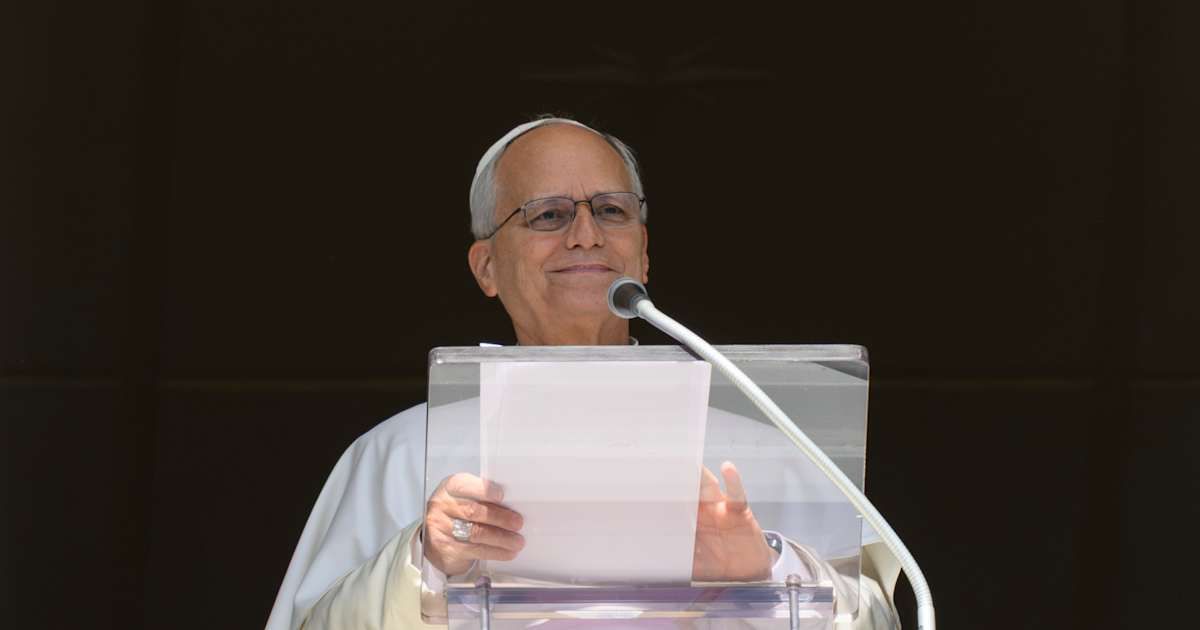
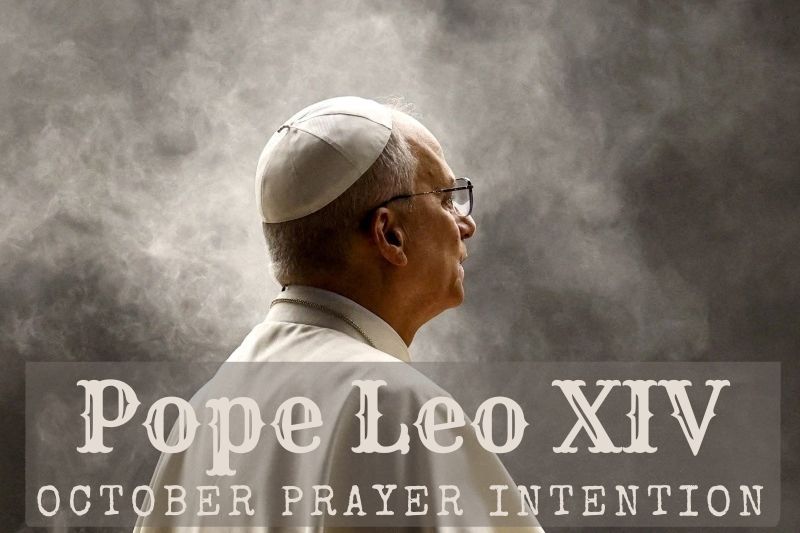
Pope Leo XIV makes the same point in his centenary message. His theme, “One in Christ, united in mission”, links unity with generosity. For the second year in a row, he also recorded a video appeal for the day. Furthermore, you can still give after Sunday. Most national offices accept gifts throughout the year, and they invite donors to ask about annual reports. For more detail, read the Catholic Sun report, the Archdiocese of San Francisco article and the Missio Ireland page. You can also read Catholic Gist International post on World Mission Sunday 2026.
In conclusion, World Mission Sunday 2026 shows how small gifts become a worldwide act of love. Every offering joins a common fund, and the national directors share it fairly. Therefore, your donation reaches priests, catechists, schools and families you may never meet. Above all, it keeps alive a hundred-year chain of prayer and sacrifice. May God bless every giver and every missionary.

Leave a Reply