
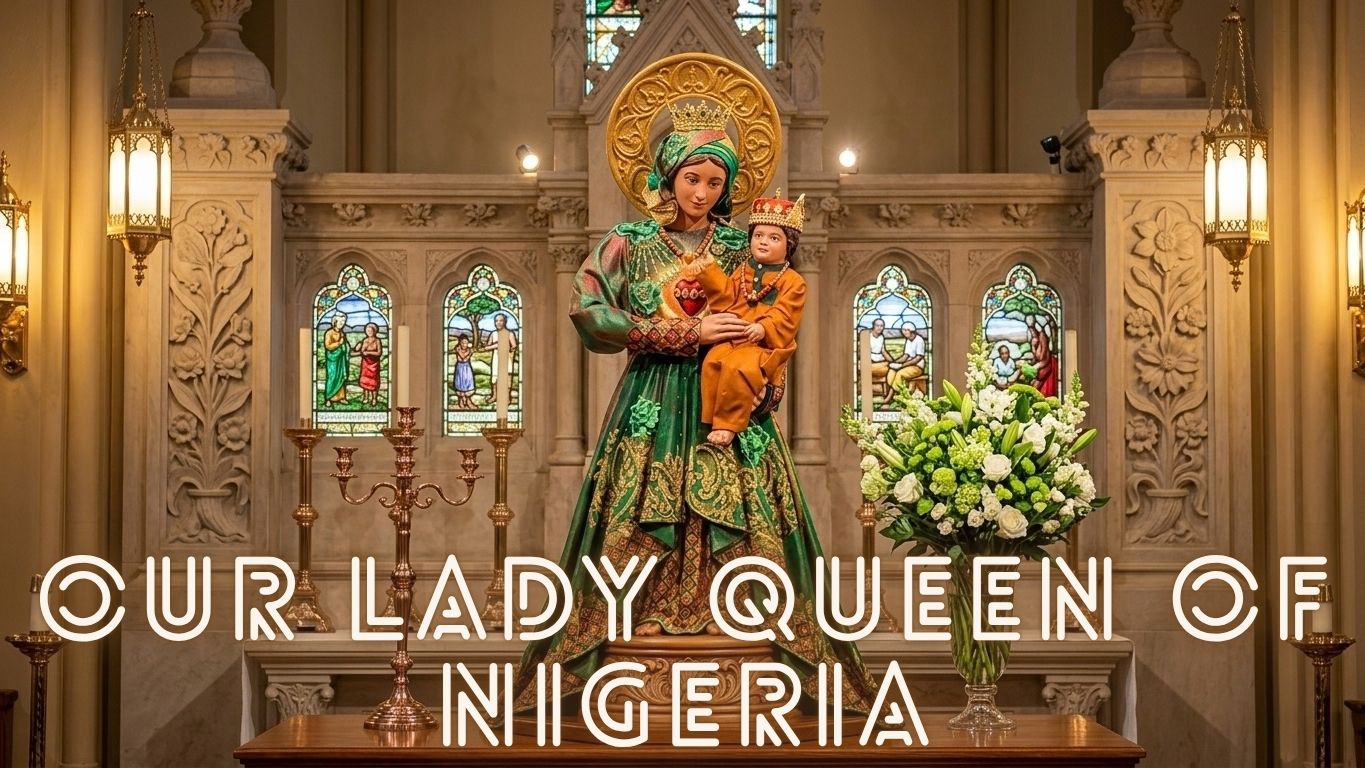
Feast of Our Lady Queen of Nigeria: History and Meaning
The Catholic Church in Nigeria celebrates Our Lady Queen of Nigeria as a solemnity on October 1. Consequently, this date carries double significance, since it also marks Nigeria’s own national independence from British colonial rule. Furthermore, Nigerian bishops deliberately chose this particular day, uniting the nation’s civic identity alongside its Marian devotion. Therefore, believers across Nigeria pause annually, honouring Mary as both spiritual mother and principal national patroness. This feast, therefore, offers a genuinely unique blend of faith, history and national pride.
Before Mary received this particular title, Saint Patrick actually served as Nigeria’s original patron saint. Irish Holy Ghost missionaries, who pioneered much early evangelisation work, brought considerable Irish influence into Nigerian Catholic life. Consequently, Irish bishops working within Nigeria named Saint Patrick as the country’s patron back in 1961. However, this arrangement changed significantly when Pope John Paul II visited Nigeria for the first time in 1982. During that historic visit, Nigerian Catholic bishops formally consecrated the entire nation toward Mary.
They specifically chose the title “Our Lady Queen and Patroness of Nigeria,” elevating her toward principal national patron status. Consequently, Saint Patrick’s role shifted toward secondary patron, though devotion toward him certainly continues within many Nigerian parishes. This consecration reflected a deliberate, thoughtful decision, connecting Mary’s own maternal care directly toward Nigeria’s national wellbeing. Afterwards, the Nigerian Bishops’ Conference established October 1 as this feast’s permanent liturgical date going forward. Today, this celebration ranks as a genuine solemnity, representing the highest possible level within Catholic liturgical observance.
During Mass on this particular feast, readings typically include Isaiah’s prophecy concerning a peaceful, restored kingdom, alongside Ephesians and Matthew. Notably, the Gospel reading often recounts the Holy Family’s flight into Egypt, followed by their eventual, hopeful return home. This particular passage resonates deeply within Nigeria’s own national story, reflecting themes of displacement, protection and eventual restoration. Consequently, many homilists draw direct parallels between the Holy Family’s journey and Nigeria’s own turbulent, hopeful national experience. Therefore, this feast invites believers toward genuine reflection upon both personal faith and collective national identity.
Theologically, this particular Marian title connects directly toward Scripture’s own portrayal of Mary as queen. At the Visitation, Elizabeth greeted Mary as “Mother of my Lord,” according to Luke’s Gospel account. Later, medieval Church Fathers expanded this understanding, producing beloved Marian hymns including “Hail, Holy Queen” and “Hail, Queen of Heaven.” Consequently, Nigerian Catholics draw upon this ancient theological tradition, applying it specifically toward their own national circumstances. Just as Christ reigns as King of kings, believers reason, his mother naturally holds queenship alongside him.
Beyond liturgical celebration, this feast also carries genuine cultural weight across Nigeria’s diverse ethnic and religious landscape. Consequently, it unites Catholics from vastly different regions, languages and backgrounds around one shared spiritual identity. Several churches across Nigeria now bear this Marian title directly, including the prominent Pro-Cathedral located within Abuja. This particular building serves as the mother church for the Archdiocese of Abuja, Nigeria’s federal capital. Therefore, the feast’s influence extends well beyond individual parish celebrations, shaping Nigerian Catholic identity nationally and institutionally.
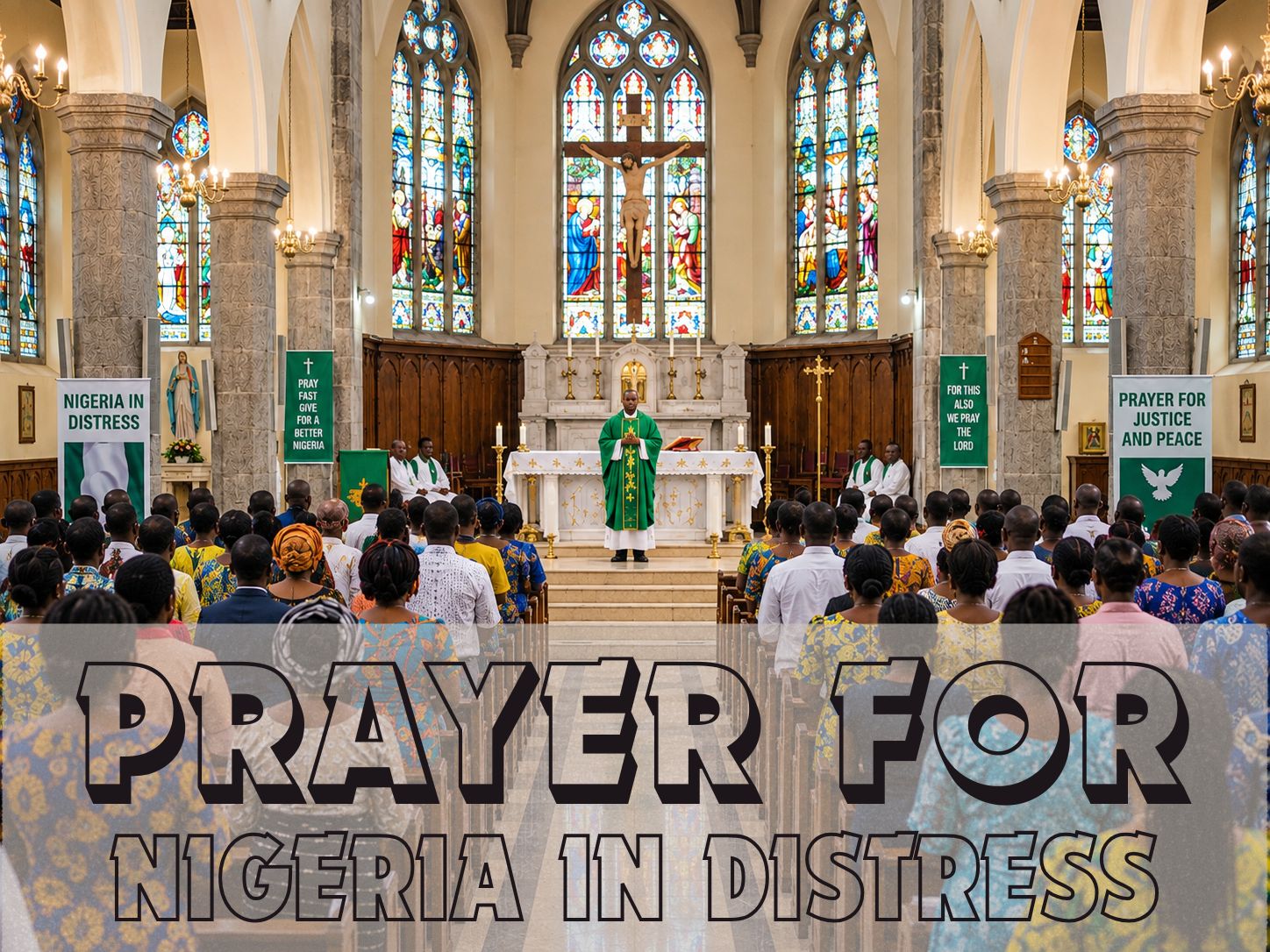
Nigerian bishops have also periodically renewed this national consecration, particularly during moments of significant political or social difficulty. For instance, bishops have gathered specifically to reconsecrate Nigeria toward Mary’s Immaculate Heart during recent years of considerable national hardship. Consequently, this feast functions as more than historical commemoration, since Nigerian Catholics actively renew it during ongoing challenges. Many homilists specifically pray for Nigeria’s governance, security and unity during this particular liturgical celebration each year. Therefore, this Marian devotion remains genuinely responsive toward contemporary national concerns, rather than merely commemorating a fixed historical moment.
Ultimately, believers regard Mary’s intercession as genuinely reliable, drawing hope from her own miraculous intervention at the wedding at Cana. Just as she requested wine for that celebration, Nigerian Catholics trust she continues advocating compassionately for their nation’s genuine needs. Consequently, this feast combines confident hope alongside honest acknowledgement of Nigeria’s ongoing social and political struggles. Therefore, October 1 offers Nigerian Catholics a meaningful opportunity for uniting national celebration alongside heartfelt Marian devotion and prayer.

Leave a Reply