
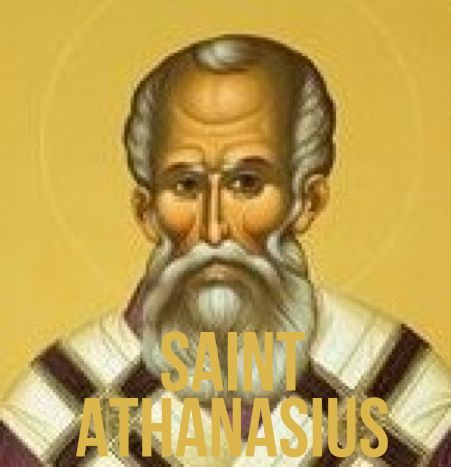
Image Credit: Word on Fire
Patron saint of Theologians and faithful Christians in both the Catholic and Orthodox traditions.
Feast Day – May 2.
Defender of Christ’s Divinity and Pillar of Orthodoxy
Saint Athanasius, often called Athanasius the Great and Athanasius the Confessor, stands among the most influential figures in early Christianity. Born between 296 and 298 in Alexandria, Egypt, he would grow to become one of the Church’s most fearless defenders of the truth about Jesus Christ. Revered today as a Doctor of the Church and honored across Catholic, Orthodox, and other Christian traditions, his life was marked by theological brilliance, relentless opposition, and unwavering faith.
Early Life and Formation
Athanasius was born into a well-established Christian family in Alexandria, one of the intellectual centers of the ancient world. From a young age, he received a comprehensive education, studying Greek literature, philosophy, rhetoric, and Christian doctrine. His knowledge of Scripture—particularly the Old Testament in its Greek form and the emerging New Testament writings—was exceptional.
A well-known story recounts how Alexander of Alexandria, the bishop of the city, noticed young Athanasius playing at administering baptism with other children. After examining what had occurred, Alexander judged the baptisms valid and recognized the boy’s spiritual potential. He soon took Athanasius under his guidance, preparing him for a life in the Church.
As he matured, Athanasius developed close ties with desert monks, especially Anthony the Great, whose life he later documented in a widely influential biography that helped spread monasticism throughout Christendom.
Rise in the Church
Ordained a deacon around 319, Athanasius quickly became a trusted secretary to Bishop Alexander. During this time, he wrote On the Incarnation, a foundational theological work that clearly articulated the belief that Jesus Christ is both fully divine and fully human.
His theological clarity became crucial during the controversy sparked by Arius, who denied the full divinity of Christ. Arius argued that Jesus was a created being rather than eternal God. This teaching threatened the core of Christian belief and led to intense division within the Church.
Athanasius played a key role at the First Council of Nicaea, convened by Constantine the Great in 325. The council rejected Arianism and affirmed the Nicene Creed, declaring that the Son is “consubstantial” (of the same essence) with the Father. This moment defined orthodox Christian doctrine—and Athanasius stood at its center.
Bishop of Alexandria and Defender of the Faith
In 328, shortly after the council, Athanasius succeeded Alexander as Bishop of Alexandria. His leadership, however, immediately placed him in conflict with powerful supporters of Arianism, including influential bishops and even Roman emperors.
Despite repeated pressure, Athanasius refused to compromise the doctrine of Christ’s divinity. His firm stance earned him both admiration and fierce opposition. Over the course of his life, he was exiled five times, spending about 17 years away from his diocese.
During these exiles, Athanasius remained active through writing and correspondence. He defended orthodox teaching in works such as Apology Against the Arians and History of the Arians, while also strengthening the faith of believers through letters. His resilience earned him the famous description Athanasius contra mundum—“Athanasius against the world.”
Trials, Exiles, and Perseverance
Athanasius faced accusations ranging from political rebellion to violence—many of which were fabricated by his enemies. Councils dominated by Arian sympathizers condemned him, leading to his exile to places like Trier in modern-day Germany.
Even so, he never abandoned his mission. During one exile, he lived among desert monks, continuing his theological work and spiritual leadership. In another instance, soldiers stormed a church during a vigil he was leading, forcing him to escape into hiding.
His fortunes shifted with changing emperors. Some, like Constantius II, opposed him, while others temporarily restored him. Yet regardless of political pressure, Athanasius remained unwavering in defending the truth affirmed at Nicaea.
Final Years and Legacy
After decades of struggle, Athanasius eventually returned to Alexandria permanently. The final years of his life were relatively peaceful compared to earlier turmoil. He continued preaching, writing, and guiding the Church until his death on May 2, 373.
Athanasius’ influence extends far beyond his lifetime. His 39th Festal Letter, written in 367, is especially significant—it contains one of the earliest known lists of the 27 books of the New Testament as recognized today.
He is honored as:
- The “Father of Orthodoxy”
- The “Pillar of the Church”
- A champion of the doctrine of the Trinity
His writings shaped Christian theology for centuries, and his courage set a standard for defending the faith under pressure.
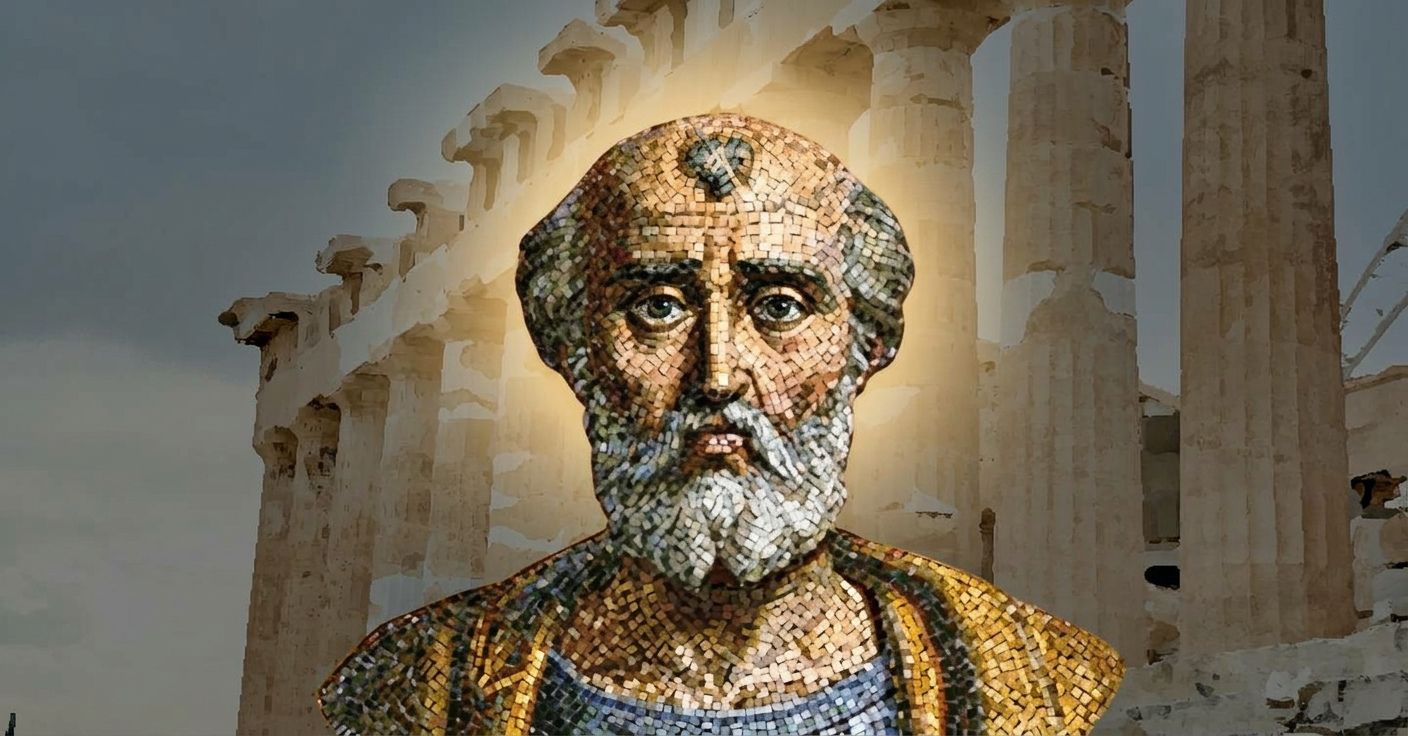
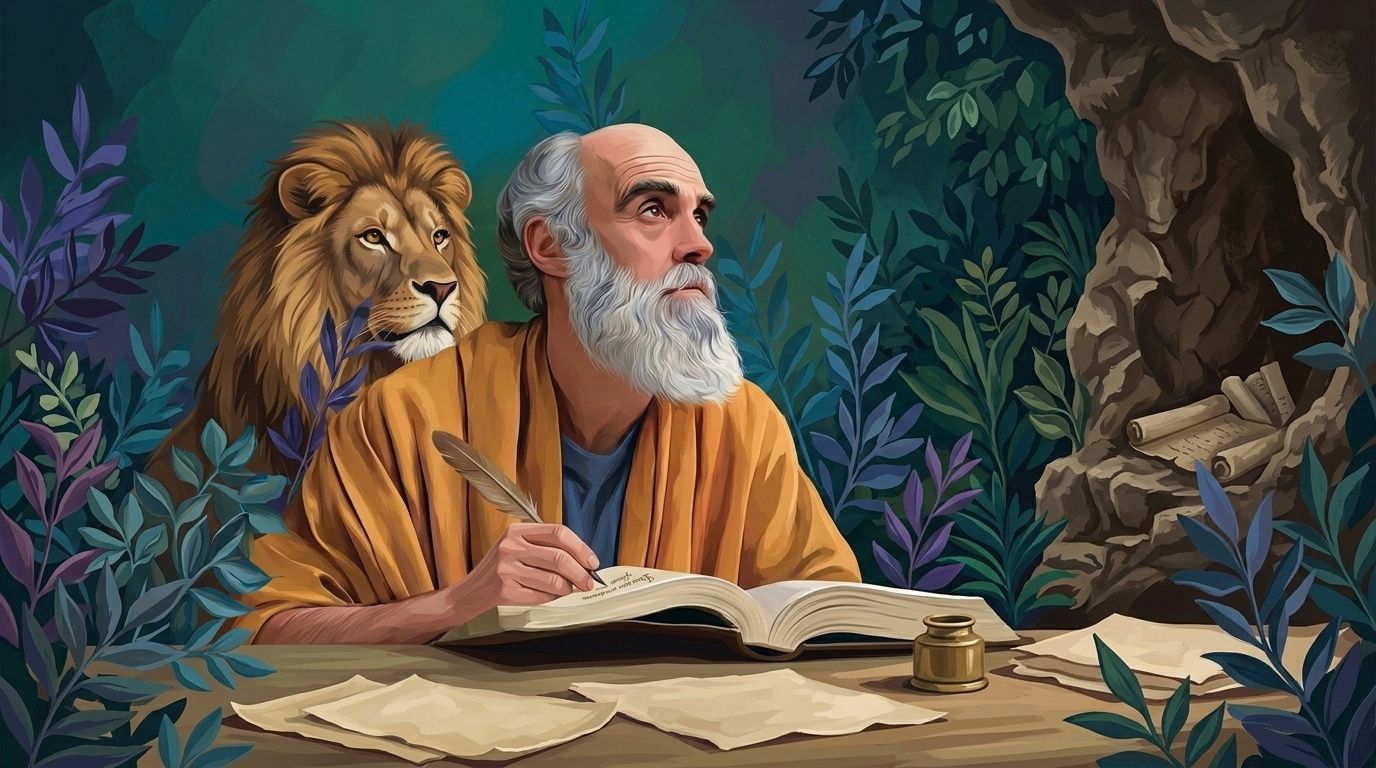
He is often depicted as a bishop holding a book or confronting heresy—symbolizing his lifelong defense of truth.

Leave a Reply