
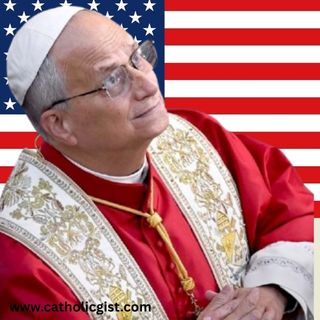
From “Catholicism in crisis” to “Catholicism in revival” — what happened in 12 months?
On the first anniversary of Pope Francis’ death, the 2026 Easter convert surge reveal a Church transformed.
The Question Nobody Expected to Ask
Pope Francis died on Easter Monday, April 21, 2025.
The world wondered if Catholicism’s best days were behind it. Seminary numbers had plateaued. Parish closures dominated the headlines. The word “crisis” followed the Church like a shadow.
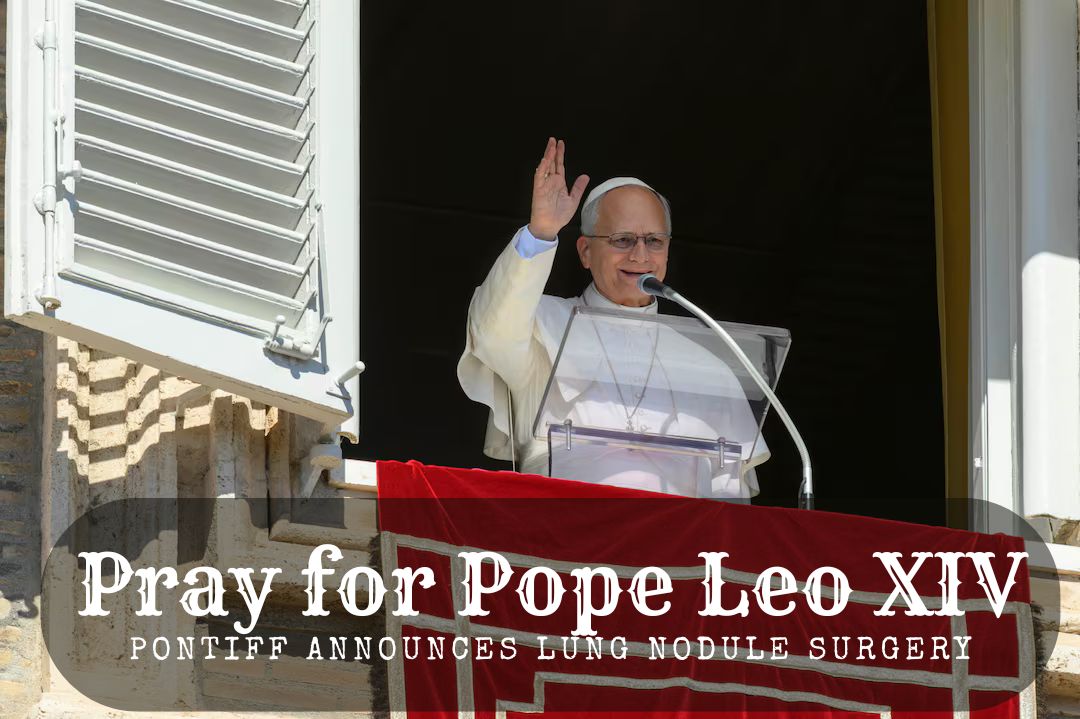
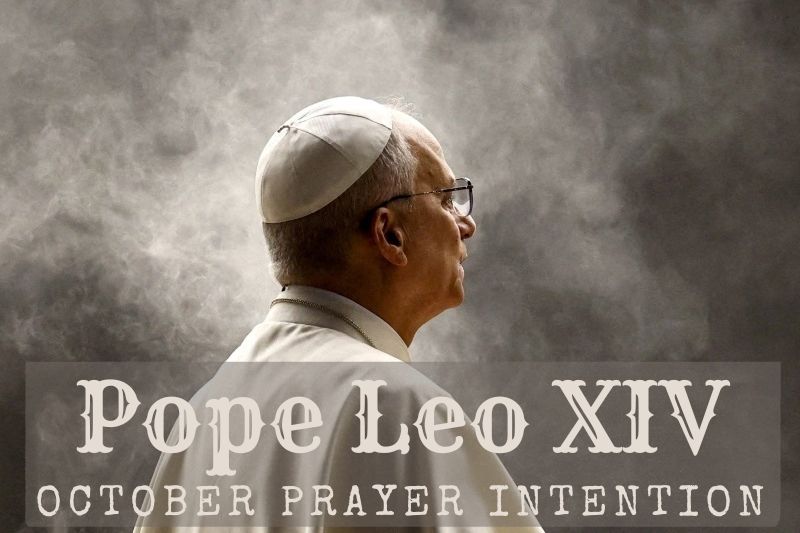
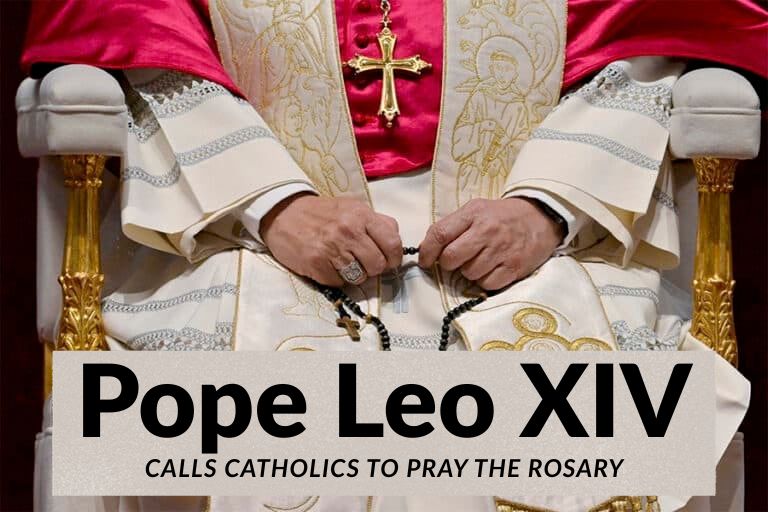
Then an American cardinal became Pope Leo XIV — and everything changed.
Now, bishops are openly crediting the first U.S.-born pope for a revival they didn’t see coming. Rights of Christian Initiation for Adults (RCIA) directors are running out of Chairs. And the data tells a story that contradicts every prediction made just a year ago.
The Numbers Don’t Lie
The Easter 2026 convert surge is not anecdotal. It’s measurable, diocese-by-docese, and it’s staggering:
| Diocese | Convert Increase (2025→2026) |
|---|---|
| Diocese of Venice, FL | +94% |
| Diocese of St. Petersburg, FL | +84% |
| Diocese of Providence, RI | +76% |
| Archdiocese of Oklahoma City | +57% |
| Archdiocese of Boston (unbaptized) | +55% |
| Archdiocese of Detroit | 1,428 new Catholics at one Vigil |
Out of 71 U.S. Dioceses surveyed by the National Catholic Register, 66 reported growth . Some had not seen numbers like this since the 1960s.
The “Pope Leo XIV Effect”
Here’s what’s different this time: Bishops are naming the cause.
The Bishop of Providence didn’t hedge. He explicitly thanked “the election of our new Holy Father” for his Diocese’s 76% jump . Detroit’s Archbishop called the 1,428 converts “a sign of hope awakened.” RCIA directors from Florida to Massachusetts report the same pattern — inquiries spiked after the Conclave, not before.
It’s being called the “Pope Leo XIV Effect” — and it’s not about nationalism. It’s about proximity. For the first time, American Catholics see the Chair of Peter occupied by someone who knows their parishes, their struggles, their cultural landscape. The psychological distance collapsed. The result? Curiosity became commitment.
Who’s Actually Converting?
If you’re picturing lapsed boomers returning, think younger.
Young adults ages 18–39 are leading this surge . They’re not nostalgic. They didn’t grow up with Latin Mass or parish fish fries. Many come from secular backgrounds, progressive universities, or no religious upbringing at all.
So why Catholicism? Why now?
The answer, repeated in interview after interview: “I was looking for objective truth in a world that stopped making sense.”
They’re not running to something comfortable. They’re running from something hollow — the endless customization of belief, the isolation of digital life, the exhaustion of constructing meaning alone. The Catholic Church, with its 2,000-year claim to authority, offers what they can’t find elsewhere: something that doesn’t depend on their mood.
Global Context: This Isn’t Just America
While the U.S. surge grabs headlines, the trend is global.
Worldwide Catholic membership just reversed a two-decade decline, climbing from 1.39 billion to 1.406 billion between 2022 and 2023 . Growth is strongest in Asia and Africa, but the American resurgence matters disproportionately — because the U.S. Church had been the world’s most reliable story of decline.
Now it’s a story of reversal. And reversals make headlines.
What Pope Leo XIV Did Differently in Year One
Pope Leo XIV didn’t invent a new theology. He changed the temperature.
In his first year, he:
- Honored Francis’ legacy while charting his own course, visiting Angola and Equatorial Guinea on the first anniversary of Francis’s death to emphasize mercy and closeness to the poor
- Hosted a Vatican Prayer Vigil for Peace amid ongoing wars in Ukraine and the Middle East, positioning the Church as a diplomatic force
- Met with 2026 Milan-Cortina Winter Olympics athletes, projecting a papacy engaged with culture, not retreating from it
- Maintained the doctrinal clarity that Francis sometimes soft-pedaled, satisfying traditional Catholics without alienating moderates
The result: a papacy that feels simultaneously accessible and authoritative. That’s a difficult balance. So far, it’s working.
The Critics and the Questions
Not everyone is convinced.
Skeptics point out that convert surges often follow papal transitions — the “new pope bump” is a real phenomenon. They ask whether these numbers will hold in 2027, 2028, 2029. They note that parish closures haven’t stopped, that vocations remain uneven, that the underlying demographic challenges haven’t vanished.
Fair questions. But here’s what the skeptics miss: this surge is ideologically diverse.
These aren’t all traditionalists fleeing the Francis era. They’re not all progressives hoping for change. They’re young people from across the spectrum, united by one thing — a hunger for something solid. That hunger doesn’t disappear when the headlines fade.
What Happens Next?
The first anniversary of Pope Francis’ death is a natural inflection point. Pope Leo XIV used it to signal continuity — “I am Francis’ successor, not his replacement” — while implicitly claiming his own legacy.
The test now is institutional. Can parishes absorb these converts? Can RCIA programs scale? Can the Church move from attraction to formation?
Because a convert who finds a vibrant parish stays. A convert who finds bureaucracy and indifference leaves — sometimes faster than they arrived.
The Real Story
Here’s the headline beneath the headline:
American Catholicism isn’t being saved by a pope. It’s being saved by young people who decided the Church was worth investigating — and found it was.
Pope Leo XIV opened the door. They walked through it. The question for the next twelve months isn’t whether the pope can maintain momentum. It’s whether the Church, at the parish level, is ready for the people who are already here.
What’s your experience? Are you seeing new faces in your parish? Share in the comments — and if you’re curious about RCIA, [link to your guide here].
Leave a Reply