
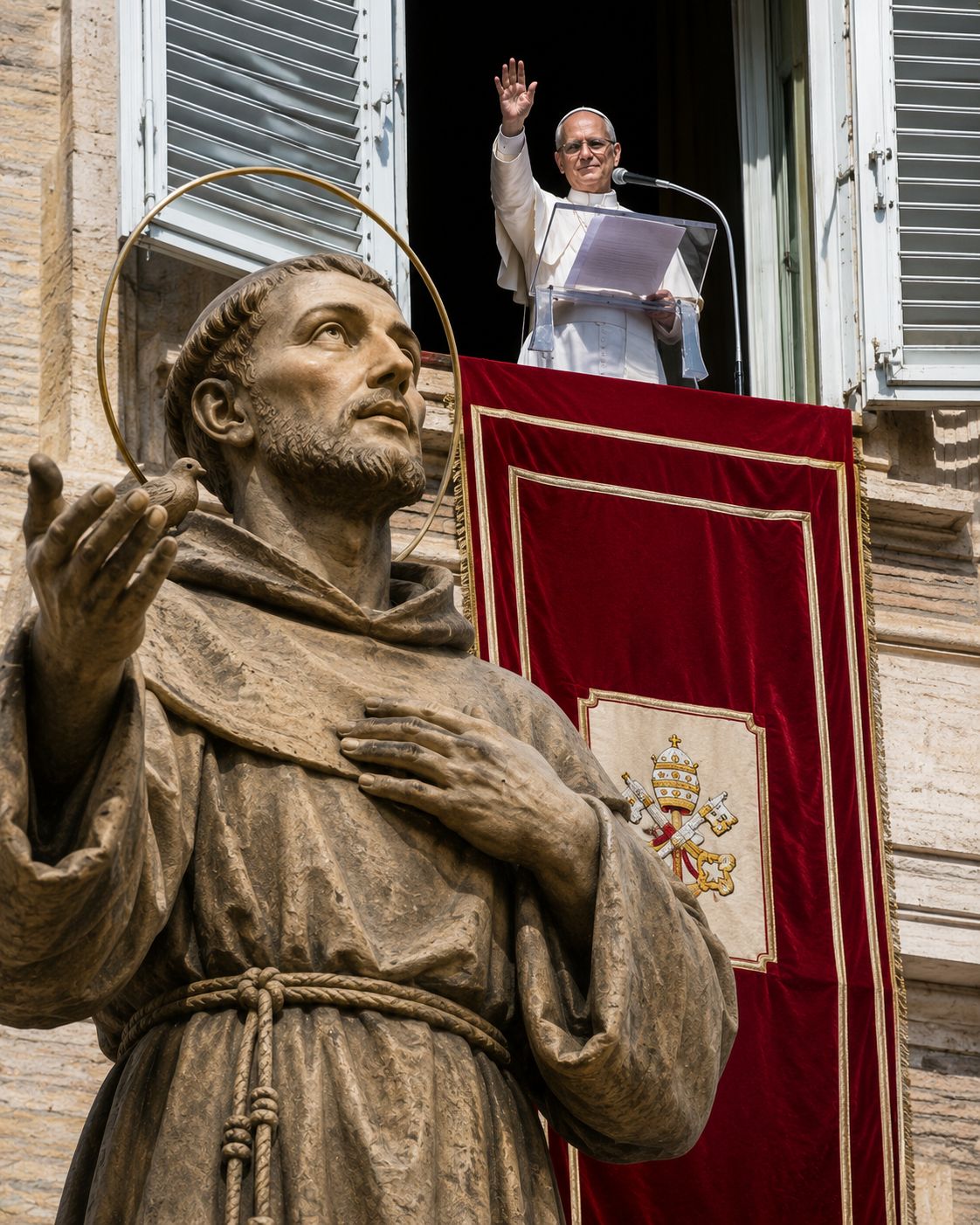
Jubilee Year of Saint Francis: A Pilgrim’s Guide to the 800th Anniversary
The Jubilee Year of St. Francis began on January 10, 2026, and will run through January 10, 2027, honoring the 800th anniversary of the death of St. Francis of Assisi. Proclaimed by Pope Leo XIV, this special Holy Year invites the faithful into deeper prayer, pilgrimage, and imitation of one of the Church’s most beloved saints. Because it follows so closely behind the Ordinary Jubilee of 2025, many pilgrims are choosing to extend their spiritual journey straight into this new season of grace.
St. Francis of Assisi’s Feast Day and Lasting Legacy
Before diving into the details of this Jubilee, it helps to remember who St. Francis was. Born into wealth in Assisi, Italy, he renounced his comfortable life to embrace radical poverty, care for the sick, and preach peace during a turbulent era. The Church celebrates his feast day every October 4, though this year adds another layer of meaning: October 3, 2026 marks 800 years since his “Transitus,” the moment tradition holds that Francis passed peacefully from earthly life into eternity. Franciscan communities everywhere will commemorate that night with an evening prayer service recalling the Gospel scene of Jesus washing the disciples’ feet, a passage Francis specifically asked to be read as he lay dying.
Why Pope Leo XIV Proclaimed the Jubilee Year of St. Francis
The Apostolic Penitentiary, the Vatican office responsible for matters of conscience and indulgences, issued the formal decree on January 10. Consequently, Archbishop Domenico Sorrentino of Assisi held a ceremony at the Basilica of St. Mary of the Angels in Assisi — the very church that houses the Chapel of the Transit, where Francis is believed to have died — to officially open the Jubilee Year of St. Francis. Presiding over the opening, he described the atmosphere as “an explosion of true joy,” rooted in a shared desire to rediscover the saint’s message.
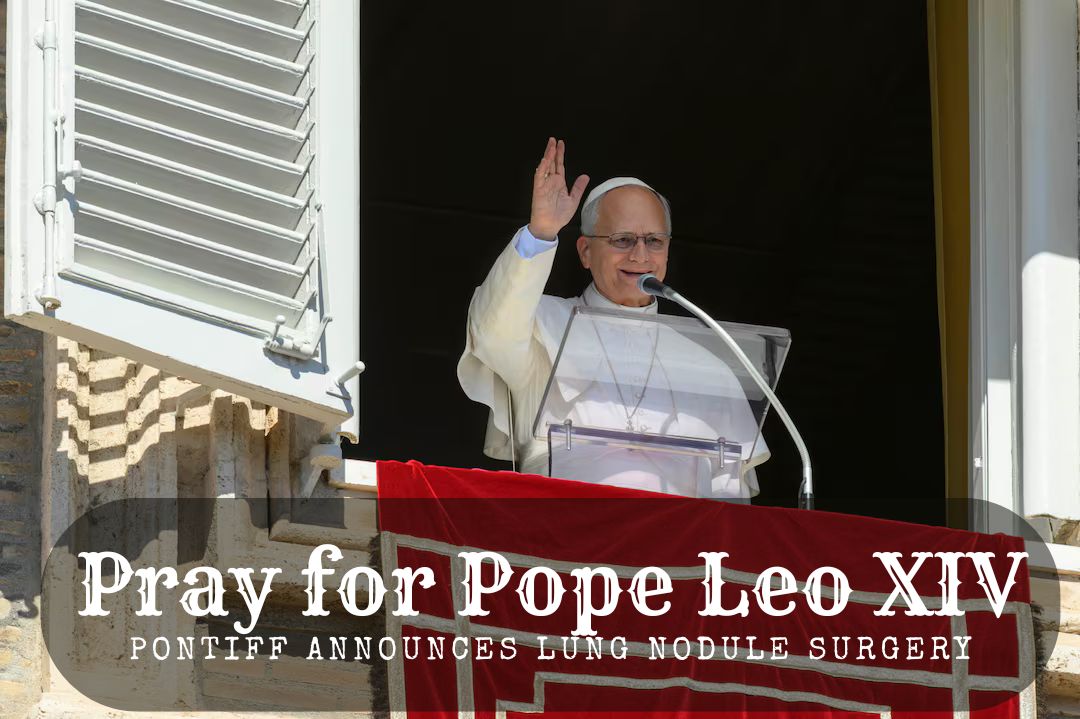
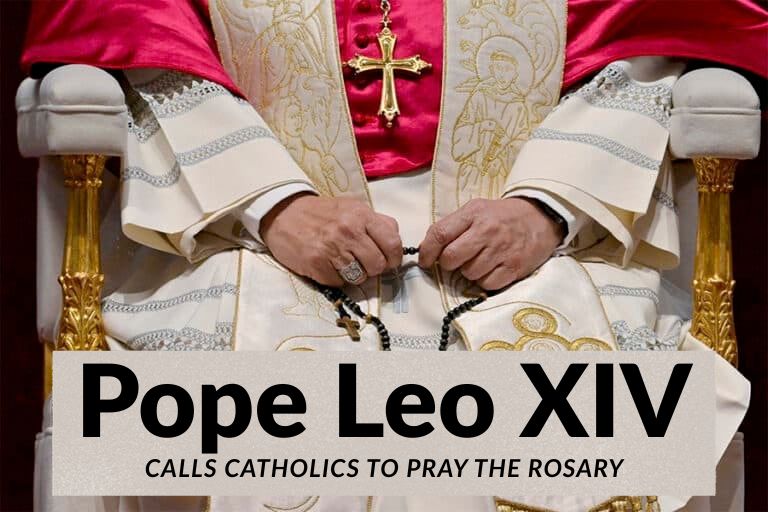
In a letter read during that ceremony, Pope Leo XIV explained why the timing matters so much today. He noted that seemingly endless wars and deep social divisions mark the modern world, adding that Francis still speaks to this moment “not because he offers technical solutions, but because his life points to the authentic source of peace.” Furthermore, the pope prayed that St. Francis would help believers “build bridges where the world raises up boundaries,” becoming, in his words, “unarmed and disarming witnesses” of Christ’s peace. You can read the full text of Pope Leo XIV’s message on the Vatican’s official news portal.
How to Receive the Plenary Indulgence
One of the most significant aspects of any Jubilee Year is the plenary indulgence, and the Jubilee Year of St. Francis is no exception. According to the decree, the faithful may obtain this grace under the usual conditions: sacramental confession, Eucharistic Communion, and prayer for the pope’s intentions. In addition, pilgrims must complete a specific act of devotion, such as visiting a Franciscan conventual church, praying in the Franciscan spirit, or performing works of charity and humility that echo the saint’s own way of life.
Notably, the Church has not forgotten those who cannot travel. Elderly and homebound Catholics, as well as the seriously ill, may still receive the indulgence by spiritually uniting themselves to the Jubilee celebrations, offering their prayers and sufferings to God, and fulfilling the usual conditions as soon as they are able.
Assisi’s Historic Public Display of Saint Francis’ Body
Arguably the most extraordinary event of the entire Jubilee Year of St. Francis took place between February 22 and March 26, 2026, when the Basilica of St. Francis in Assisi publicly displayed the saint’s body for the very first time in its history. Since this had never occurred before, interest surged almost immediately. By December, roughly 250,000 pilgrims had already registered through the basilica’s free, mandatory online reservation system, available in both Italian and English. The basilica described the overwhelming response as proof of “the universality of the message of the Saint of Assisi,” noting that his appeal has clearly not faded after eight centuries.
What This Means for Pilgrims and Franciscan Communities
While the Jubilee is addressed in a special way to the Franciscan Family, Pope Leo XIV extended its graces “to all the faithful without distinction.” This includes the First, Second, and Third Orders, along with related religious institutes. Therefore, any Catholic can take part. That could mean booking a flight to Assisi, visiting a local parish named after the saint, or simply setting aside time each day to pray in the spirit of the Poverello, the “Little Poor One.” With the Jubilee open until January 2027, believers still have plenty of time to plan a meaningful pilgrimage.
Ultimately, Church officials have been careful to frame this Holy Year as far more than a ceremonial milestone. As Bishop Krzysztof Nykiel, Regent of the Apostolic Penitentiary, put it, the Jubilee “must not become yet another chapter rich in special spiritual effects.” Instead, it should be “a silent passage from enthusiasm to deep maturity.” In other words, this anniversary’s true fruit isn’t found in grand celebrations alone. Rather, it lies in quiet, daily imitation of a saint. Eight hundred years later, Francis still calls the Church back to simplicity, humility, and peace.

Leave a Reply