
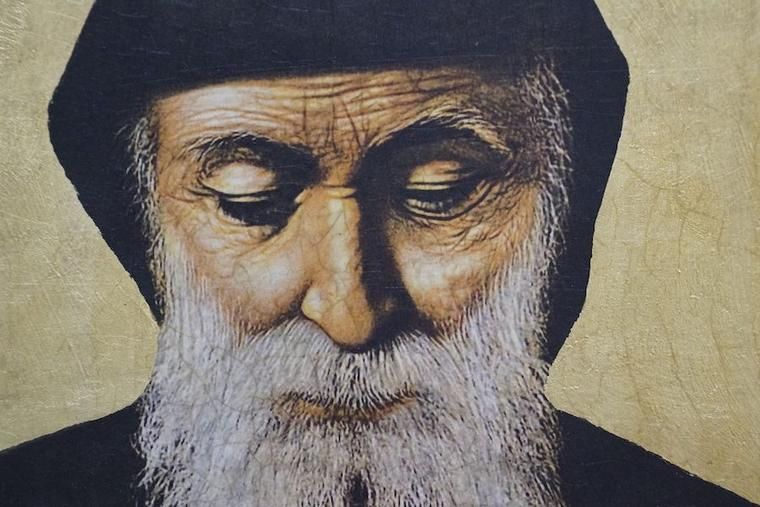
Image Credit – National Catholic Register
Two New Miracles Attributed to St. Charbel in 2026: A Lebanese Saint’s Healing Power Reaches 30,000+ Cases
A Saint Known as the “Doctor of the Sky”
Few saints in the modern Catholic Church carry a reputation for healing quite like Saint Charbel Makhlouf. The 19th-century Lebanese Maronite monk and hermit died in 1898 and was canonized in 1977. He is now associated with more than 30,000 reported miracles worldwide. In 2026, two more remarkable cases joined that number — one in the United States and one in his native Lebanon.
Both cases share a striking pattern: women facing serious, medically documented illnesses who experienced healing that defied their doctors’ expectations after turning to Saint Charbel in prayer.
Who Was Saint Charbel Makhlouf?
Born in the mountains of Lebanon, Charbel Makhlouf spent much of his religious life as a hermit, devoted to prayer, fasting, and the Eucharist. Despite leaving behind no writings of his own, his life of quiet holiness at his hermitage in Annaya continues to draw pilgrims nearly 130 years after his death. He was beatified by Pope Paul VI in 1965 and canonized by the same pope in 1977.
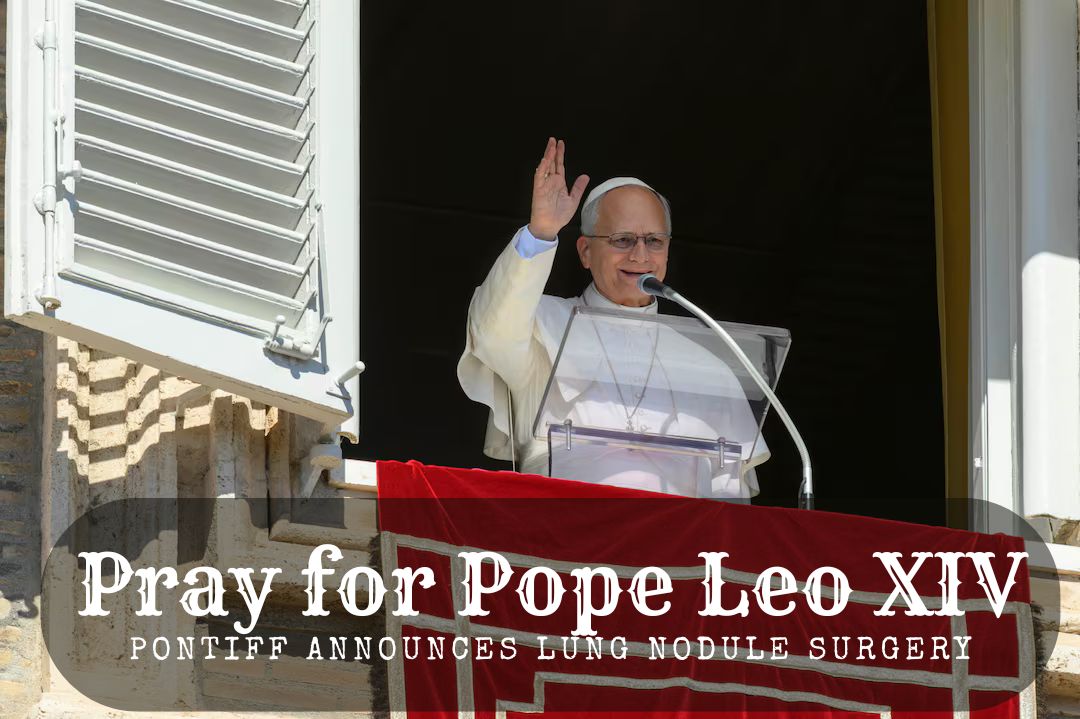
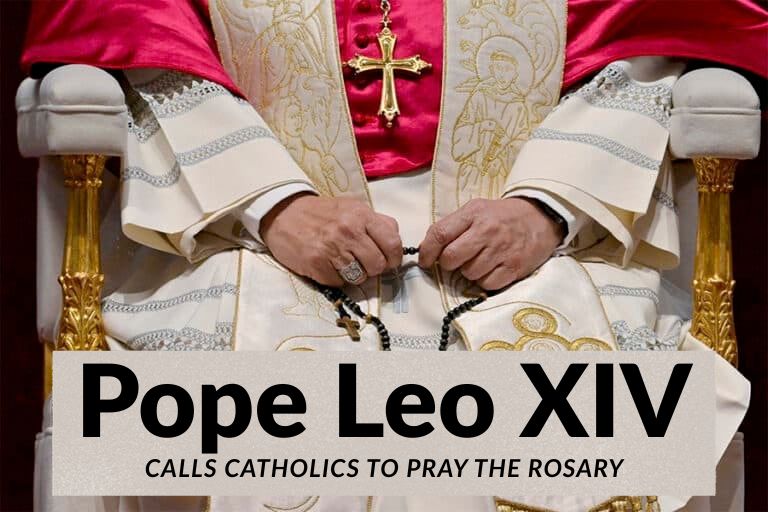
What sets Saint Charbel apart from many saints is the sheer scale and reach of the healings attributed to his intercession — not only among Catholics, but among Muslims, Druze, and people of other faiths across Lebanon and beyond. In December 2025, Pope Leo XIV became the first pope to visit Saint Charbel’s tomb, describing the saint’s ongoing intercession as “a river of mercy” during his trip to Lebanon.
The 2026 Miracles: Healing Against the Odds
The Lebanese Case: A Tumor That Disappeared
One of this year’s reported miracles involves a Lebanese woman born in the mountain town of Jezzine in south Lebanon. After being hospitalized in late 2025 for severe back pain, an MRI revealed a spinal tumor — a meningioma — that her neurosurgeon determined was unresponsive to medication and would likely require surgical removal. A follow-up scan was scheduled to monitor the tumor’s progression, with a possible surgery date set for early January 2026.
According to those close to the case, her condition changed course in a way her medical team had not anticipated, and the healing has since been attributed to her prayers to Saint Charbel — joining a long tradition of Lebanese Catholics turning to their homegrown saint in moments of medical crisis.
The American Case: Hope From Across the Ocean
The second reported miracle of 2026 took place in the United States. It again involved a woman whose recovery went beyond what her doctors expected. Fewer clinical details have been made public compared to the Lebanese case. Still, it reflects how Saint Charbel’s following has grown far outside Lebanon. Shrines, novenas, and devotional communities dedicated to him are now active across North America.
Why St. Charbel’s Miracles Keep Making Headlines
There are a few reasons stories like these consistently capture attention, both within the Catholic press and beyond:
- Documented medical detail. Unlike many historical miracle accounts, modern cases attributed to Saint Charbel typically come with MRI results, physician names, and diagnostic timelines — details that invite scrutiny rather than avoid it.
- A living devotion, not just history. Saint Charbel’s shrine at Annaya holds a monthly pilgrimage on the 22nd of each month, commemorating an earlier healing attributed to the saint, and continues to draw thousands of pilgrims.
- Interfaith appeal. Because Saint Charbel is venerated by Muslims and Druze as well as Christians in Lebanon, his story resonates with a broader audience than most Catholic saints.
- Papal attention. Pope Leo XIV’s visit to Charbel’s tomb in December 2025 renewed global interest in the saint just months before these latest reports emerged.
The Church’s Process for Verifying Miracles
It’s worth noting that not every reported healing becomes an officially “recognized” miracle. The Catholic Church follows a deliberate, often years-long process for investigating claims like these. It typically involves medical review boards, documentation of the illness, and theological evaluation. Only after this process can a healing be formally declared miraculous. The two cases above are best understood as compelling, well-documented reports still working through — or newly entering — that process. They are not final Church rulings.
Final Thoughts
Whether or not these two 2026 cases are ultimately given formal Church recognition, they add to a remarkable and ongoing pattern: a 19th-century Lebanese hermit who wrote nothing down continuing to be credited with healings across continents, more than a century after his death. For many Catholics — and non-Catholics — following Saint Charbel’s story, that consistency is itself part of the appeal.
Have you or someone you know experienced a healing you attribute to St. Charbel’s intercession? Share your story in the comments below.
Leave a Reply