
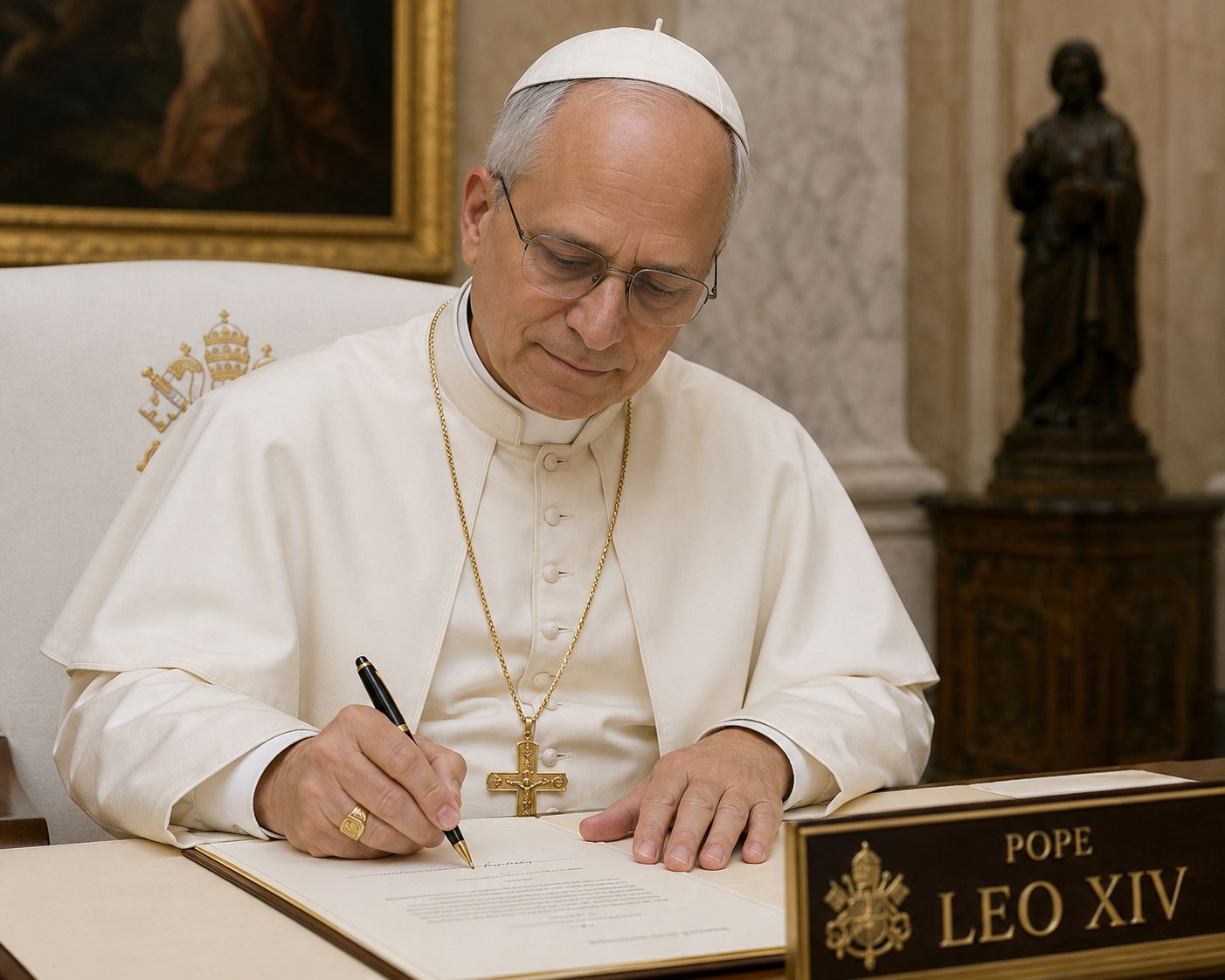
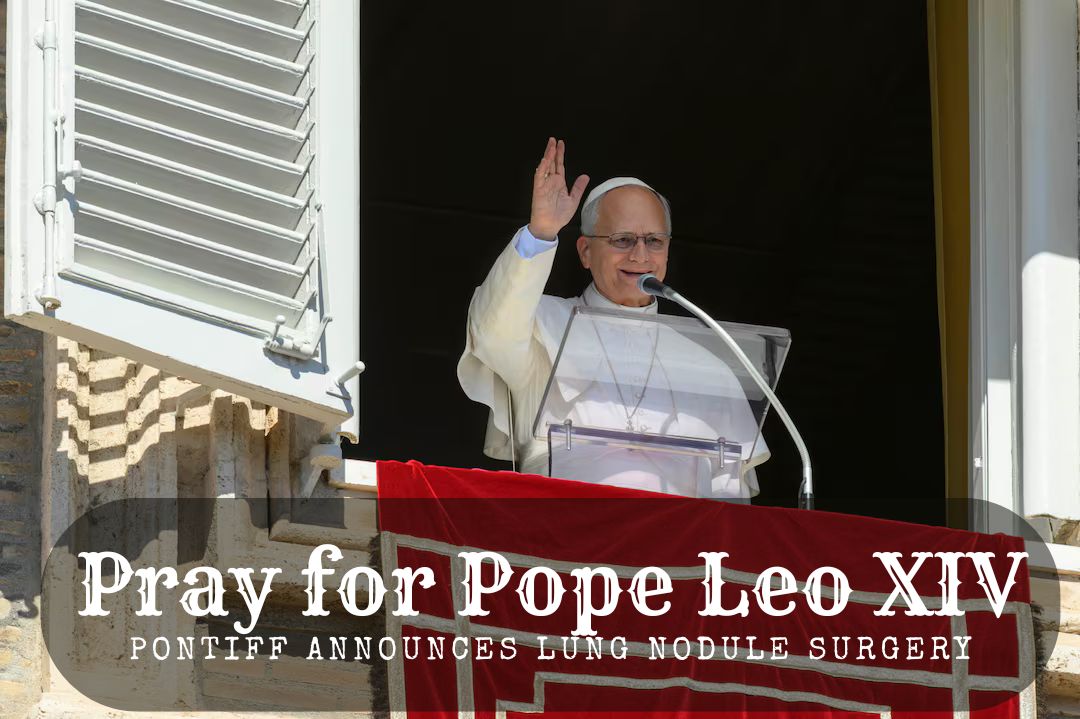
Pope Leo XIV has announced a comprehensive overhaul of the Vatican’s financial watchdog, introducing new oversight structures, stricter transparency requirements, and enhanced anti-corruption measures. Consequently, this reform package represents the most significant restructuring of Holy See financial governance since Pope Francis’s 2014 reforms. Furthermore, the July 1, 2026 decrees signal that Pope Leo XIV intends to confront institutional corruption directly while building on his predecessors’ unfinished work.
Pope Leo XIV Overhauls Vatican Finance Watchdog
The Vatican Press Office released multiple decrees on July 1, 2026, detailing extensive changes to the Secretariat for the Economy, the Financial Information Authority (AIF), and the Council for the Economy. Meanwhile, these reforms arrived alongside other major papal announcements, including the appointment of Sister Alessandra Smerilli as prefect of a key dicastery. Nevertheless, the financial overhaul commanded particular attention given the Vatican’s troubled history with money laundering scandals, embezzlement allegations, and opaque accounting practices.
Cardinal Pietro Parolin, Vatican Secretary of State, presented the reforms as a continuation of Pope Francis’s “zero tolerance” approach to financial misconduct. However, Vatican insiders suggest Pope Leo XIV has introduced distinctive elements reflecting his Augustinian emphasis on structural integrity and accountability.
What Pope Leo XIV Changed: Key Reform Elements
The overhaul addresses several critical weaknesses in existing Vatican financial structures. First, the Secretariat for the Economy gains expanded auditing powers over previously exempt entities, including some curial departments and Vatican foundations. Second, the Financial Information Authority receives strengthened independence from curial interference, with its president now enjoying a fixed five-year term removable only by the Pope himself. Third, all Vatican departments must now publish annual financial statements subject to external review.
Moreover, the reforms establish a new Office of the Auditor General, directly accountable to the Pope, with authority to investigate any Holy See institution without prior departmental approval. Additionally, whistleblower protections have been significantly enhanced, allowing Vatican employees to report financial misconduct through secure, anonymous channels.
The Pope also revised the Roman Curia’s internal financial regulations, closing loopholes that previously permitted off-books accounting and discretionary spending by individual cardinals. Therefore, every expenditure above 50,000 euros now requires dual authorization and documentary justification.
Why These Reforms Matter Now
Vatican financial scandals have plagued recent pontificates, damaging the Church’s credibility and diverting resources from mission. Under Pope Francis, Cardinal George Pell attempted similar reforms as Prefect of the Secretariat for the Economy, but faced fierce resistance from curial officials protecting traditional privileges. Subsequently, Pell’s 2017 removal and later imprisonment on charges subsequently overturned stalled momentum.
Meanwhile, the Vatican Bank (IOR) has faced repeated investigations by Italian financial authorities. In 2020, the AIF itself became embroiled in a raid and seizure of documents, with its president temporarily suspended. Furthermore, the London property scandal—involving a £350 million investment in a former Harrods warehouse—resulted in criminal trials, convictions, and ongoing appeals.
Pope Leo XIV inherits this toxic legacy. Therefore, his decision to prioritize financial reform within his first fifteen months suggests both urgency and political calculation. An American Pope, elected partly on promises of institutional competence, cannot afford to preside over continued financial mismanagement.
The Augustinian Dimension: Structure Serving Mission
Pope Leo XIV’s approach reflects his Augustinian spirituality in unexpected ways. Saint Augustine, in The City of God, distinguished between the earthly city governed by self-interest and the heavenly city oriented toward love of God. The Pope’s reforms implicitly apply this framework: financial structures must serve the Church’s evangelical mission, not private advantage.
Furthermore, Augustine’s emphasis on order (ordo) as a reflection of divine wisdom informs the Pope’s insistence on transparent procedures. Disorder in earthly institutions, for Augustine, mirrors spiritual disorder. Therefore, reforming Vatican finances becomes not merely administrative housekeeping but a spiritual imperative.
This theological underpinning distinguishes Pope Leo XIV’s rhetoric from purely managerial reform language. He speaks of financial integrity as “a witness to the Gospel in a world that measures credibility by transparency.” Consequently, the reforms carry evangelistic weight beyond their practical utility.
Reactions: Curia, Watchdogs, and the Faithful
Vatican Officials
Some curial veterans have reportedly resisted the expanded auditing powers, viewing them as infringements on traditional departmental autonomy. However, Pope Leo XIV’s personal intervention—reportedly telling one resistant cardinal that “accountability is not optional”—has quelled open opposition.
Financial Watchdogs
International monitoring organizations have cautiously welcomed the reforms. Moneyval, the Council of Europe’s anti-money laundering body, which has repeatedly criticized Vatican compliance, indicated it would review the changes during its next evaluation cycle. Transparency International noted the reforms as “a step forward” but emphasized that implementation matters more than announcement.
Catholic Faithful
Among ordinary Catholics, financial reform generates less emotional engagement than doctrinal or liturgical issues. Nevertheless, the London property scandal and similar cases have eroded trust, particularly among younger Catholics who expect institutional accountability. Therefore, Pope Leo XIV’s reforms address a credibility deficit that affects evangelization.
Comparison with Previous Reform Efforts
| Reform Era | Key Figure | Achievements | Limitations |
|---|---|---|---|
| 2014–2019 | Cardinal Pell | Established Secretariat for the Economy; introduced budgeting | Resistance from Curia; Pell’s removal stalled momentum |
| 2020–2022 | Pope Francis | AIF restructuring; some IOR reforms | London scandal erupted; AIF itself compromised |
| 2023–2025 | Pope Francis | Continued legal proceedings; some convictions | Incomplete structural change; persistent opacity |
| 2026–present | Pope Leo XIV | Expanded auditing; new Auditor General; whistleblower protections | Implementation untested; political resistance possible |
What Happens Next
| Phase | Timeline | Responsible Party |
|---|---|---|
| Implementation of new structures | July–December 2026 | Secretariat for the Economy |
| First external audits under new rules | January–June 2027 | Office of the Auditor General |
| Moneyval evaluation | Late 2027 | Council of Europe / Vatican cooperation |
| Publication of first annual reports | Mid-2027 | All Vatican departments |
Conclusion: Reform as Witness
Pope Leo XIV’s overhaul of the Vatican finance watchdog extends beyond administrative efficiency. It represents a theological statement about how the Church must operate in a skeptical world. If Catholics proclaim justice and integrity, their institutions must embody those values.
The reforms face significant obstacles: curial resistance, implementation challenges, and the ever-present temptation to revert to opacity when scrutiny fades. Nevertheless, the Pope has established structures that, if faithfully executed, could transform Vatican governance for generations.
As Augustine taught, the earthly city will never become the heavenly city. Yet it can approximate heavenly justice through honest structures and accountable leaders. Pope Leo XIV’s financial reforms aim at precisely this approximation.



Leave a Reply