
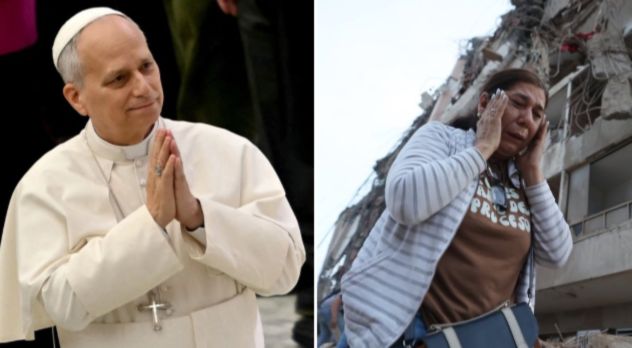
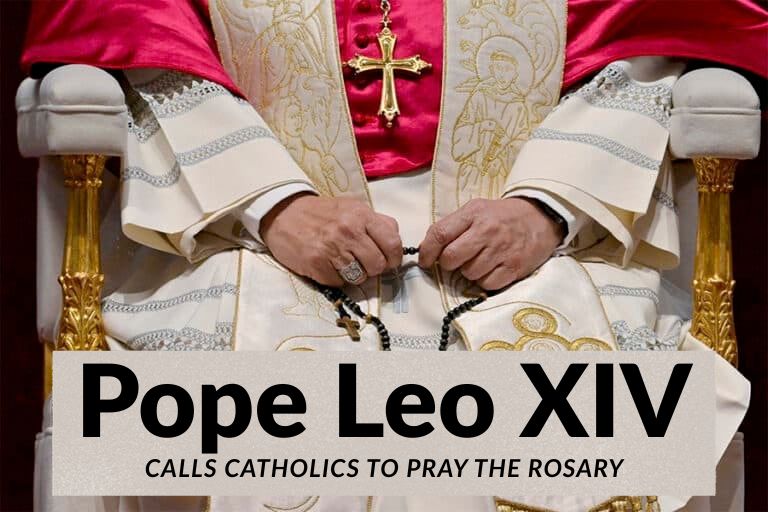
Image Credit: Vatican Media / @Sachinettiyil (X/Twitter)
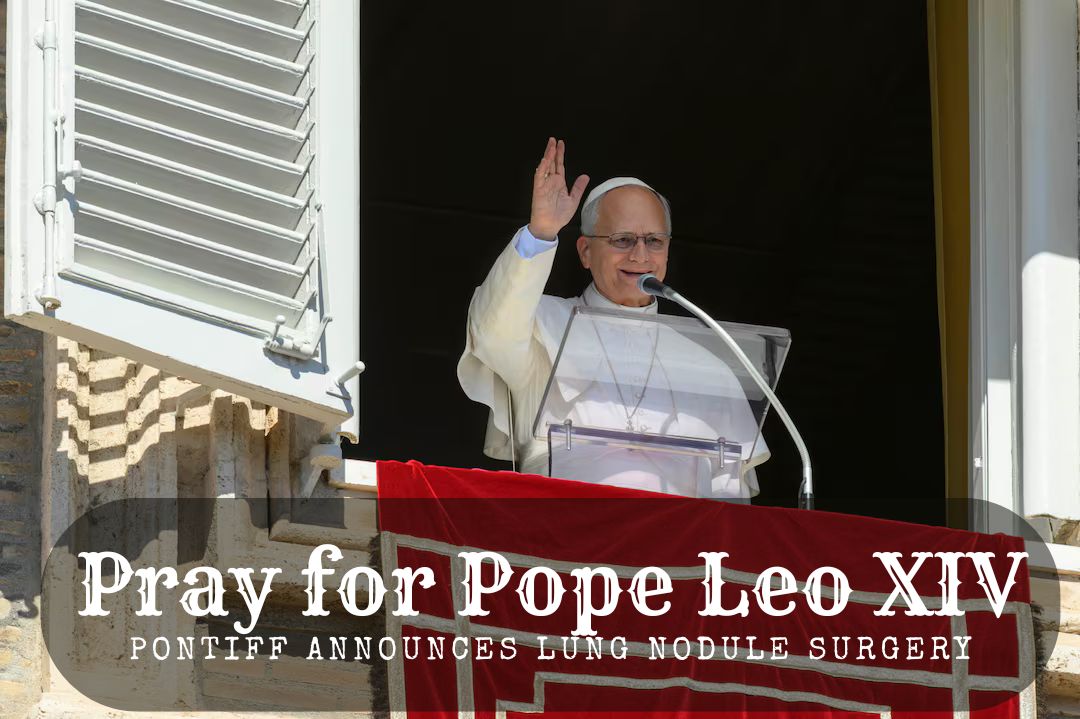
Pope Leo XIV has directed 100,000 euros in emergency humanitarian aid to Venezuela following catastrophic earthquakes that have claimed more than 160 lives and left thousands of people affected. Consequently, this rapid response demonstrates the Pope’s commitment to disaster-stricken regions within his first year in office. Furthermore, the Vatican’s intervention comes as international relief agencies struggle to reach remote areas devastated by the seismic events.
Pope Leo XIV Sends Emergency Aid to Venezuela Earthquake Victims
The Vatican Press Office confirmed the aid package on June 25, 2026, just days after the earthquakes struck. Meanwhile, local authorities continue to assess the full scale of destruction across multiple Venezuelan states. Nevertheless, early reports indicate widespread structural collapse, disrupted infrastructure, and urgent medical needs among survivors.
The 100,000 euros will channel through Caritas Internationalis, the Church’s global confederation of humanitarian organizations, and its local partner Caritas Venezuela. Therefore, funds will support immediate relief efforts including food distribution, temporary shelter, medical supplies, and psychological support for traumatized communities.
The Scale of the Disaster
The earthquakes have proven exceptionally destructive for Venezuela. First, seismological data indicates multiple significant tremors struck densely populated regions. Second, poorly constructed buildings in vulnerable neighborhoods collapsed with devastating consequences. Third, landslides triggered by the seismic activity have blocked roads and isolated rural communities from rescue operations.
Moreover, the death toll of more than 160 is expected to rise as search-and-rescue teams access previously unreachable areas. Thousands more have sustained injuries, lost homes, or been displaced. The psychological toll compounds the physical destruction, particularly for children and elderly survivors.
Venezuela’s pre-existing humanitarian crisis exacerbates the disaster response. Years of economic instability have weakened infrastructure, depleted medical supplies, and strained government capacity. Therefore, international aid—including the Vatican’s contribution—plays a critical role in filling gaps left by overwhelmed state systems.
Pope Leo XIV’s Response: Spiritual and Material Solidarity
Pope Leo XIV’s intervention follows a consistent pattern from his young pontificate. During his April 2026 visit to Algeria, he emphasized that Christianity demands concrete action alongside prayer. Similarly, his Spain pilgrimage included direct encounters with migrants and prisoners, demonstrating preference for those on society’s margins.
The Venezuelan aid package reflects this Augustinian spirituality in practice. The Pope did not merely offer prayers from Rome. Instead, he mobilized institutional resources rapidly and specifically. This dual approach—spiritual solidarity plus material assistance—characterizes Catholic social teaching and distinguishes papal humanitarian engagement from purely symbolic gestures.
Cardinal Konrad Krajewski, the Papal Almoner responsible for distributing charity on behalf of the Pope, likely coordinated the transfer. His office has managed similar emergency responses to earthquakes in Turkey, Syria, Morocco, and other disaster zones in recent years.
How the Aid Will Reach Victims
| Phase | Timeline | Activities |
|---|---|---|
| Immediate relief | Days 1–14 | Food, water, temporary shelter, medical triage |
| Stabilization | Weeks 2–8 | Rebuilding infrastructure, restoring services, trauma counseling |
| Recovery | Months 2–12 | Housing reconstruction, livelihood restoration, long-term medical care |
Caritas Venezuela maintains extensive local networks despite operating in challenging conditions. Therefore, the organization can distribute Vatican funds efficiently even where state systems falter. Additionally, Caritas Internationalis will coordinate with other humanitarian actors to prevent duplication and maximize impact.
International Context and Catholic Response
The Venezuela earthquakes have prompted responses from multiple governments and organizations. However, geopolitical tensions and logistical constraints have complicated aid delivery. The Vatican’s contribution, while modest in absolute terms, carries significant symbolic weight. It represents the universal Church’s attention to a suffering nation and may encourage other donors to increase their commitments.
Pope Leo XIV’s personal involvement—publicizing the aid through his own channels—also elevates visibility. Previous popes have used similar announcements to draw global media attention to overlooked crises. In this case, the Venezuela disaster risked being overshadowed by other international news. The papal spotlight ensures sustained coverage and donor engagement.
Theological Reflection: The Works of Mercy in Action
Catholic tradition enumerates corporal works of mercy including feeding the hungry, sheltering the homeless, and burying the dead. The Venezuelan aid package embodies these mandates institutionally. Yet Pope Leo XIV’s response goes further. By pairing spiritual prayer with material assistance, he models the integral human development championed by Pope Paul VI and elaborated by Pope Benedict XVI and Pope Francis.
The Augustinian Pope’s theology of caritas—love made concrete—finds expression here. Love that remains merely sentimental fails the Gospel test. Love that feeds, houses, and heals fulfills it. The 100,000 euros represent not charity in the modern sense of optional generosity, but justice in the classical sense: giving what is due to those created in God’s image.
Conclusion: A Pontificate of Presence
Pope Leo XIV’s Venezuela aid announcement, coming just days after the disaster, establishes a pattern for his papal humanitarian engagement. Swift, specific, and spiritually grounded. Unafraid to act where need is greatest, even when political complexity might counsel caution.
As the death toll rises and reconstruction begins, the Vatican’s contribution will form part of a broader international effort. Yet its distinctiveness lies in its motivation: not geopolitical strategy, not public relations, but the command of Christ to love neighbor as self.




Leave a Reply