
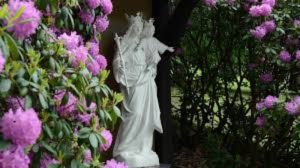
Image Credit: America Needs Fatima
Our Lady Help of Christians: The Title Mary Chose for a Broken World
Our Lady Help of Christians is not an ancient title. It is barely four centuries old. Yet it has shaped nations, defeated armies, and comforted millions. Pope Pius V first invoked it in 1571. He begged Mary’s intercession before the Battle of Lepanto. The Christian fleet was outnumbered. The Ottoman Empire threatened to dominate the Mediterranean. The pope prayed. The rosary became the weapon of the day. The Christians won. The title stuck.
St. John Bosco made it personal. He founded the Salesians in 1859, placed his entire congregation under this title, built a basilica in Turin dedicated to Our Lady Help of Christians and credited every success to her protection. The title became synonymous with his educational mission. It spread across the world through his sons and daughters.
Today, Catholics invoke Our Lady Help of Christians when hope runs thin, institutions crumble, families fracture and the Church herself seems besieged. The title promises something specific: Mary does not merely sympathize, she helps, acts and intervenes with the power of a mother who refuses to abandon her children.
The Battle That Named Her Our Lady Help of Christians
The 16th century was a brutal age for Christendom. The Protestant Reformation had torn Europe apart. The Ottoman Empire expanded relentlessly. In 1571, Sultan Selim II assembled a massive fleet. He aimed to crush Christian naval power in the Mediterranean. He nearly succeeded.
Pope Pius V understood the stakes. He called for a Holy League. Spain, Venice, and the Papal States contributed ships. Don John of Austria commanded the allied fleet. The pope asked all of Europe to pray the rosary. He entrusted the outcome to Mary.
On October 7, 1571, the fleets met near Lepanto, Greece. The Christians were outgunned and outnumbered. Yet they prevailed. The Ottoman fleet was destroyed. Christian Europe was saved. The pope wept with gratitude. He established the feast of Our Lady of the Rosary. And he gave Mary a new title: Help of Christians.
The victory was not merely military. It was spiritual. The pope had demonstrated that prayer could alter history. That Mary’s intercession was not pious sentiment. It was effective power. The title captured this conviction. Mary helps. She does not watch passively. She enters the fray.
Don Bosco and the Modern Era
St. John Bosco revived the title in the 19th century. He lived in turbulent times. The Italian unification movement threatened the Papal States. Anti-clerical governments closed religious houses. The Church seemed under siege. Bosco responded with education. He founded the Salesian Society to care for poor and abandoned youth.
In 1859, he placed his new congregation under the patronage of Our Lady Help of Christians. He built a grand basilica in Turin between 1863 and 1868. He designed it specifically to honor this title. The basilica became the spiritual center of the Salesian world.
Bosco attributed every success to Mary. He credited her with protecting his boys from illness, accident, and moral danger. He also reported visions in which she promised to help his work, in his writing: “The Salesian Congregation shall always be under the protection of Mary, Help of Christians.”
The title spread through Salesian missions across the globe. It reached Australia, where the first Australian saint, Mary MacKillop, was deeply devoted to it. It reached the Americas, Asia, and Africa. Wherever Salesians built schools and oratories, they erected shrines to Our Lady Help of Christians.
A Title for Times of Crisis
The title speaks directly to contemporary anxieties. Christians today face challenges that would have been unimaginable to Pius V or Don Bosco. Secularization has emptied churches. Religious persecution has intensified in many regions. The family faces unprecedented pressures. The Church herself is wounded by scandal and division.
Our Lady Help of Christians addresses each of these crises. She is not a distant queen, she is a mother who rolls up her sleeves, she helps, does not promise that the battle will be easy, but promises that she will fight alongside her children.
The title also carries an implicit challenge. If Mary helps Christians, then Christians must actually need help. The title presumes weakness. It presumes danger. It presumes that the Christian life is a struggle requiring divine assistance. This is not a comfortable spirituality. It is an honest one.
Devotional Practices
Catholics honor Our Lady Help of Christians in several ways. The Salesians celebrate her feast with particular solemnity on May 24. This date marks the anniversary of the dedication of Bosco’s basilica in Turin. The feast is a major solemnity in all Salesian houses.
The Memorare prayer is often addressed to her under this title. “Remember, O most gracious Virgin Mary, that never was it known that anyone who fled to thy protection, implored thy help, or sought thy intercession was left unaided.” The prayer captures the essence of the title. Protection. Help. Intercession. These are active verbs. They describe a mother who does something.
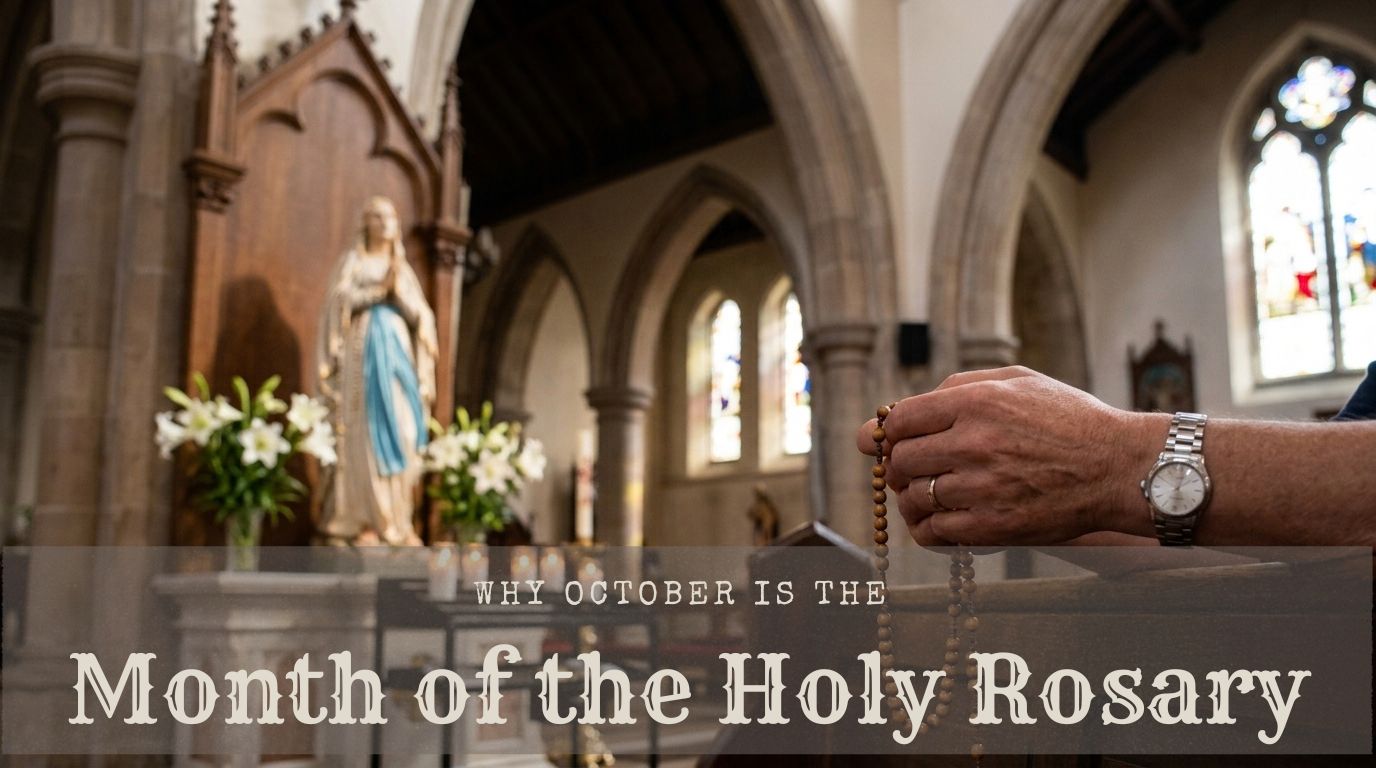
The rosary remains the primary devotion associated with Our Lady Help of Christians. The Battle of Lepanto established this connection. Pope Pius V had asked Europe to pray the rosary. The victory confirmed its power. Today, Catholics continue to entrust their needs to Mary through this ancient prayer.
Global Shrines and Patronage
The Basilica of Our Lady Help of Christians in Turin remains the most important shrine that draws pilgrims from across the world. Housing the remains of St. John Bosco. It preserves the room where he died. It maintains the tradition of Salesian spirituality that he established.
Australia claims a special connection. The first Australian saint, Mary MacKillop, founded the Sisters of St. Joseph under this patronage. She faced opposition from bishops and governments. She turned to Our Lady Help of Christians repeatedly. Her canonization in 2010 confirmed the title’s power in the Southern Hemisphere.
The title is also popular in military contexts. The Australian Defence Force has a chaplaincy dedicated to Our Lady Help of Christians. Various police and fire departments invoke her protection. The title’s origins in naval warfare make it fitting for those who risk their lives in service.
Theological Significance of Our Lady Help of Christians
The title carries deep theological weight. It connects Mary’s maternal role to the Church’s mission. She is not merely the mother of Jesus. She is the mother of all Christians. And as a mother, she helps her children. She does not replace Christ’s mediation: she cooperates with it, intercedes, advocates and assists.
This cooperation is not passive. The title “Help of Christians” implies active engagement. Mary works. She labors. She fights for her children. This understanding shaped Catholic Mariology for centuries. It influenced the definition of Mary as Co-Redemptrix and Mediatrix, titles that emphasize her active role in salvation.
The Second Vatican Council affirmed this tradition. Lumen Gentium described Mary as “advocate, auxiliatrix, adjutrix, mediatrix.” These Latin terms all convey the same reality. Mary helps. She is not a bystander. She is a participant in the work of redemption.
A Prayer for Today
On May 24, the Church celebrates Our Lady Help of Christians. Catholics turn to her with their impossible situations. They ask for her help in broken marriages. They beg her protection for wayward children. They seek her intercession for the Church in persecution. They implore her aid for their own conversion.
The prayer is always the same. “Help us, O Lady.” It is a simple plea that acknowledges needs and expresses trust. It invites Mary to do what she has always done: To help, to save and to mother.
Our Lady Help of Christians does not promise instant solutions. She promises maternal presence, to fight alongside her children and that no cry for help goes unheard. In a world that often feels abandoned, this promise is everything.
Leave a Reply