
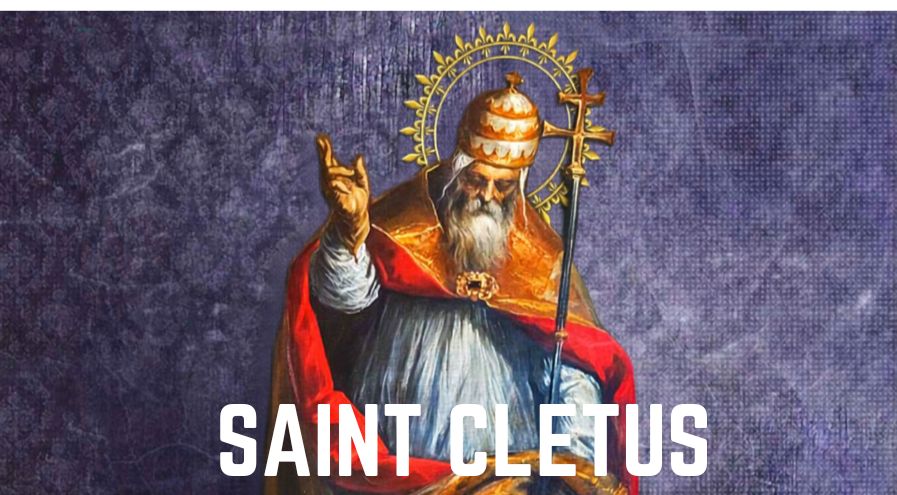
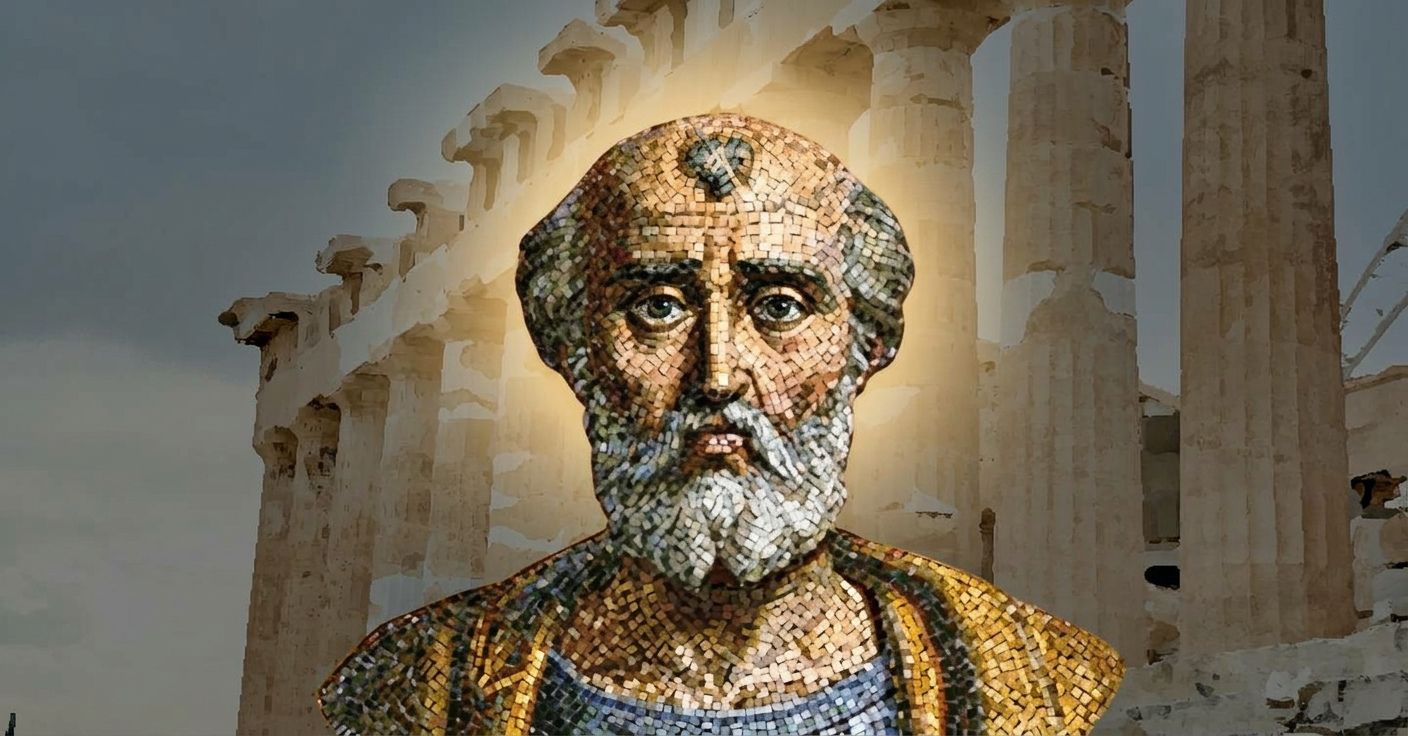
Image Source – Real Heroes (Edited on Canva)
Feast Day: April 26
Saint Cletus, also known as Anacletus, was the third Bishop of Rome and one of the earliest successors of Saint Peter. He followed Saint Linus and is believed to have led the Church during a formative and often dangerous period for Christianity in the 1st century.
Born in the early first century, likely in Rome, Cletus belonged to the first generation of Christians shaped directly by apostolic teaching. His name, derived from Greek, means “one who is called,” reflecting his vocation to serve the early Church. Some ancient sources use the name Anacletus or Anencletus, but early Church historians such as Eusebius of Caesarea and Irenaeus affirm that these names refer to the same person.
Saint Cletus is traditionally said to have served as pope for about twelve years, with his pontificate commonly placed between AD 76 and 89, though some sources suggest a slightly later period, around AD 80 to 92. During his leadership, he helped organize the growing Christian community in Rome. Tradition credits him with dividing the city into approximately twenty-five parishes and ordaining numerous priests, ensuring pastoral care for the expanding number of believers.
Despite limited historical records about his papacy, his importance is underscored by his inclusion in the Roman Canon of the Mass—one of the oldest Eucharistic prayers in the Church. Early Christian writers and martyrologies, including Venerable Bede, venerate him as a martyr, indicating that he likely died for his faith during a time of persecution under the Roman Empire, around AD 91 or 92.
Saint Cletus was buried near his predecessor in the Vatican, close to the Tomb of Saint Peter, in what is now beneath St. Peter’s Basilica. His relics are traditionally believed to remain there, among the burial sites of other early popes, highlighting his lasting legacy in the heart of the Catholic Church.
Over time, confusion about his name led to separate feast days for Cletus and Anacletus. However, Church reforms under Pope John XXIII clarified that they are the same individual, unifying his celebration on April 26. Today, he continues to be honored in the Roman Martyrology as a faithful shepherd and martyr of the early Church.
Saint Cletus stands as a symbol of steadfast leadership and quiet courage, guiding the Church through its earliest trials and helping lay the foundation for its global mission.



Leave a Reply