
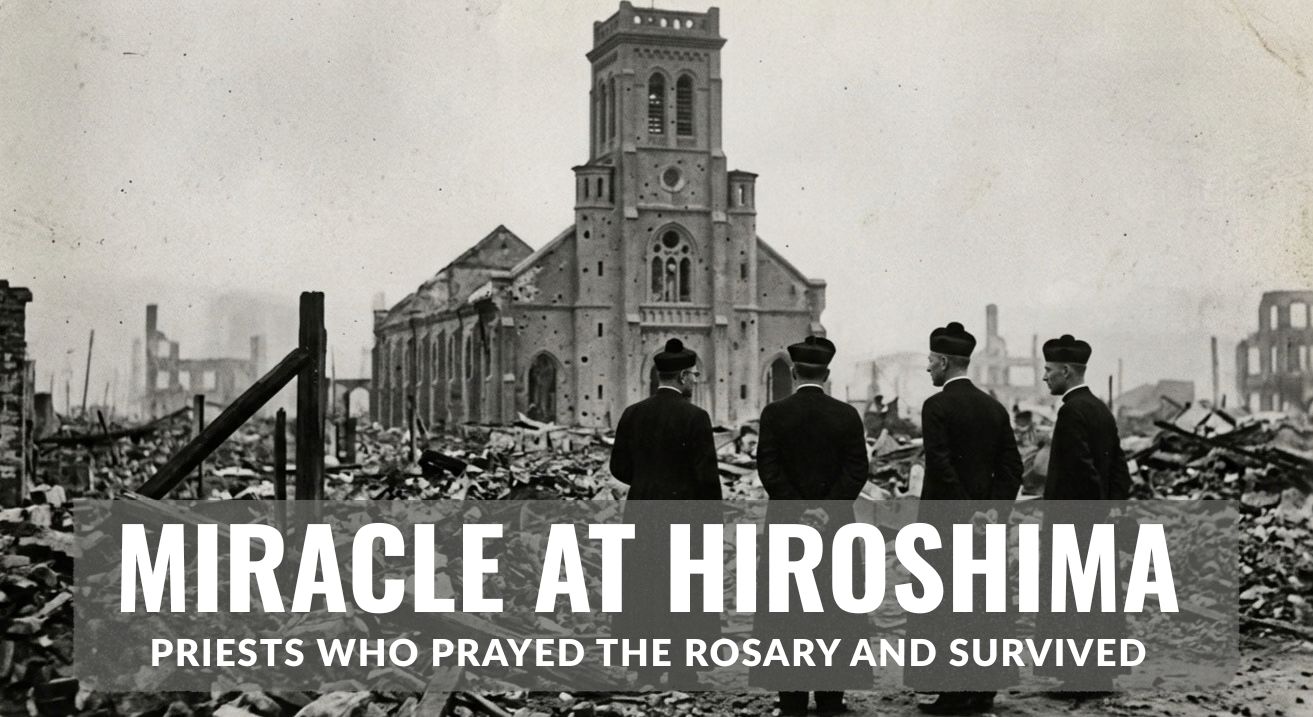
Jesuits Priests Who Prayed the Rosary and Survived
Image Credit: Hiroshima Peace Memorial Museum
On October 7, the Church celebrates the Feast of Our Lady of the Rosary. On this day, one story shines with special light. It is the story of the Rosary of Hiroshima. Moreover, it shows how a simple daily prayer can shape a whole life. Therefore, it fits this feast perfectly. In addition, many Catholics find its message of peace deeply moving.
On August 6, 1945, the first atomic bomb fell on Hiroshima, Japan. Within moments, the city lay in ruins. However, in one quiet corner, a small Jesuit community lived beside the church of Our Lady’s Assumption. The bomb exploded about eight city blocks from that church. Four priests lived in the Rectory: Hugo Lassalle, Wilhelm Kleinsorge, Hubert Cieslik and Hubert Schiffer. Meanwhile, the rest of the neighbourhood had no such shelter.
Father Schiffer was only thirty years old. He later described a sudden crash like thunder filling the air. Then everything around the house shook. Likewise, Father Cieslik thought a bomb had hit the neighbourhood, so he lay on the floor and covered his head. Indeed, an enormous force swept through the whole area.
When the dust settled, the church had lost it’s windows and suffered heavy damage. Even so, the Rectory held. The priests suffered only minor injuries from shattered glass. In contrast, accounts say most people within half a mile of the centre died in the blast. Consequently, the survival of these priests amazed everyone who heard about it.
Afterwards, doctors examined the priests many times. Reports say scientists and doctors interviewed Father Schiffer about 200 times and found no trace of radiation in his body. Meanwhile, radiation killed thousands of other people in the following months. The priests gave a simple answer. They said they lived the message of Fatima and prayed the Rosary every day.
The Fatima message shaped their daily life. For example, Catholics also keep the devotion of the First Saturdays. It asks for confession, Holy Communion, five decades of the Rosary and fifteen minutes of meditation on the mysteries. Catholics offer all this in reparation to Mary on five consecutive first Saturdays. The Jesuits said they lived this message. As a result, the Rosary became the rhythm of their house.
Many Catholics call this story a miracle. However, the story remains a witness of faith, not a formal ruling of the Church. Moreover, some details differ between accounts. Some sources say all eight Jesuits in the community survived. Others name only four priests and place them between 1,200 and 1,400 metres from the blast. Therefore, it is wise to read the story with care and with prayer.
Father Schiffer shared his story widely. In 1953, he wrote an account titled The Rosary of Hiroshima. Later, he spoke at the Eucharistic Congress in Philadelphia in 1976. He hoped that countless people praying the Rosary for peace would become a great spiritual force. He died on March 27, 1982, thirty-seven years after the bombing.
Peace also took stone form in Hiroshima. Father Lassalle began building a new church in 1950, and it opened in 1954. People now call it the Memorial Cathedral of World Peace. It honours the victims of war and the atomic bomb. In this way, the survivors answered destruction with a house of prayer.
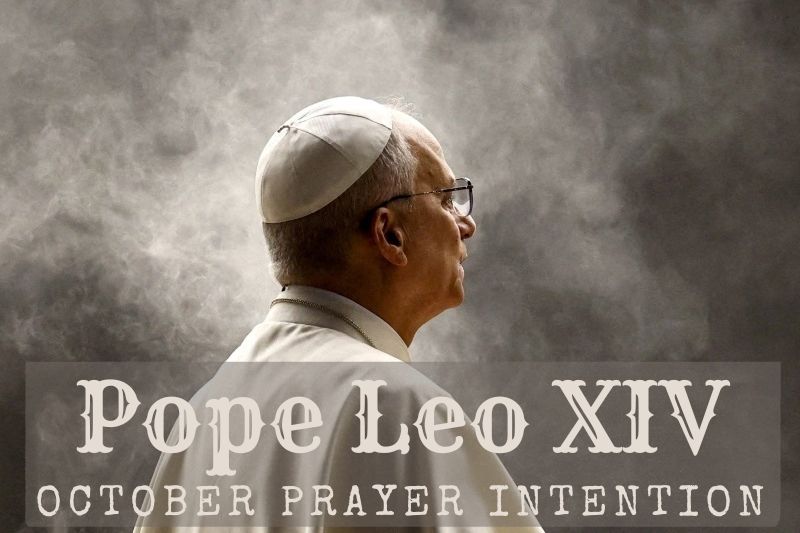
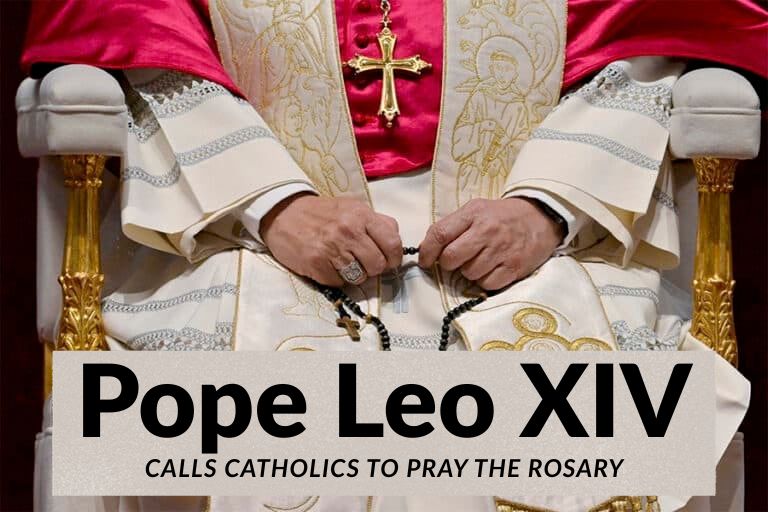
This story speaks to us today. Pope Leo XIV has asked Catholics to pray the Rosary for peace throughout October. In the same way, the Jesuits of Hiroshima made the Rosary a daily habit in an ordinary house. Indeed, steady prayer shaped their lives long before disaster struck. Therefore, we can start small. One decade a day, prayed with trust, can become a lifelong habit.
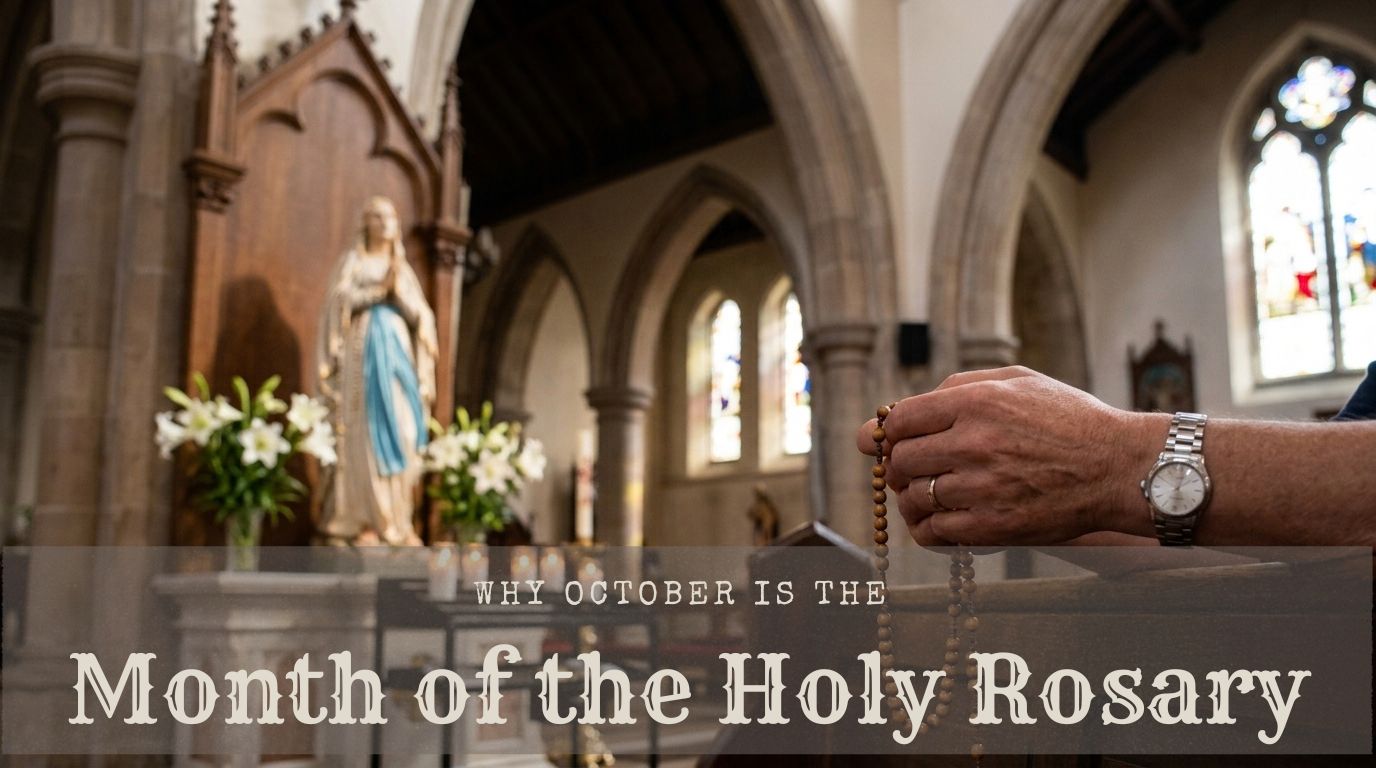
You can pray with them today. First, take a rosary and choose the mysteries of the day. Next, pray one decade for peace in the world. Then ask Our Lady to lead you closer to Jesus. For more, read our posts, Feast of Our Lady of the Rosary and Pope Leo XIV Calls Catholics to Pray the Rosary for Peace in October. You can also read the National Catholic Register and Father Schiffer’s biography.
Leave a Reply