
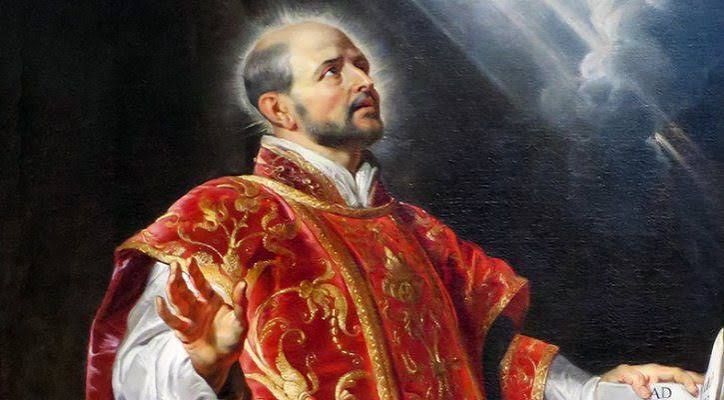
Image Credit: jesuits.org
Saint Ignatius of Loyola: From Battlefield Soldier to Founder of the Jesuits
Saint Ignatius of Loyola lived one of the most dramatic conversion stories in Church history. He spent his early years chasing glory as a soldier and duelist, yet a devastating battlefield injury eventually redirected his ambition toward God instead. That transformation ultimately produced the Society of Jesus, one of the most influential religious orders the Catholic Church has ever known. Today, the Church celebrates Saint Ignatius of Loyola not only as a founder, but also as a spiritual guide whose methods still shape prayer life worldwide.
The Feast Day of Saint Ignatius of Loyola
The Catholic Church celebrates the feast day of Saint Ignatius of Loyola every July 31, marking the anniversary of his death in 1556. The Church of England and the Episcopal Church also honor him on this same date, reflecting his influence well beyond Catholic circles alone.
A Young Soldier Driven by Ambition
Born Íñigo López de Loyola in 1491 at the family castle in Azpeitia, in Spain’s Basque Country, Ignatius was the youngest of thirteen children. After his mother’s early death, María de Garín, the wife of a local blacksmith, helped raise him. Despite this loss, his family’s noble status ensured he received an upbringing suited to knighthood and courtly life.
As a young man, Ignatius served as a page before eventually joining the military under the Duke of Nájera. He quickly built a reputation as a skilled duelist and fearless soldier, surviving numerous battles seemingly unscathed. However, everything changed in 1521, when a cannonball shattered his leg during the defense of Pamplona against French forces.
Injury, Recovery and Spiritual Awakening
Doctors performed multiple painful surgeries without anesthesia and Ignatius nearly died from his injuries. During his lengthy recovery, he requested his usual chivalric romance Novels, but only religious texts were available instead. Reading about the lives of Christ and the saints deeply affected him, particularly a work called “De Vita Christi,” which encouraged readers to visualize themselves present within Gospel scenes.
While bedridden, Ignatius noticed something important: thoughts of worldly glory left him feeling empty afterward, while thoughts of imitating the saints brought lasting peace. This realization became the foundation of what he later called spiritual discernment, recognizing which internal movements came from God rather than distraction.
A New Path at Montserrat and Manresa
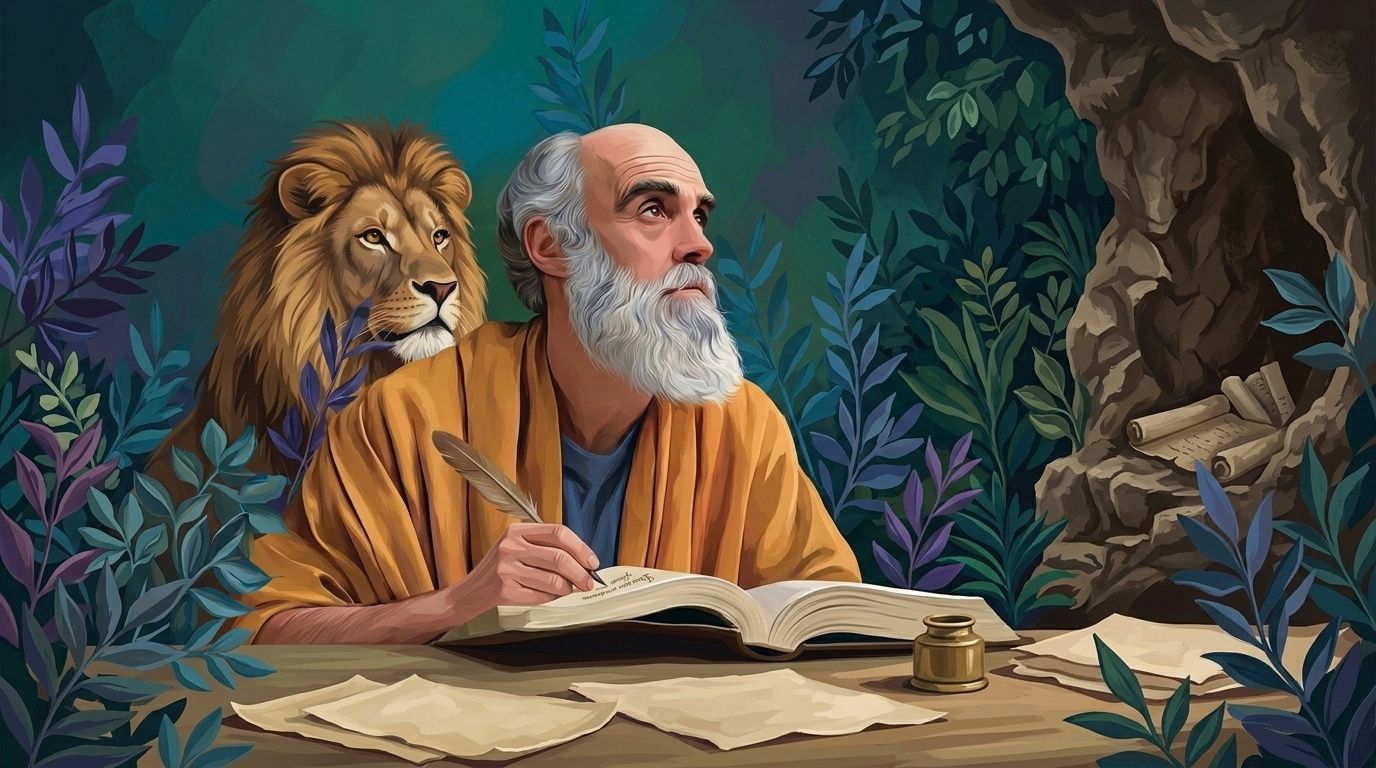
Once he recovered enough to travel, Ignatius journeyed to the Benedictine monastery of Montserrat, where he confessed his past sins, gave away his fine clothing and symbolically laid down his sword before an image of the Virgin Mary. He then settled near Manresa, living off charity while working at a local hospital and spending long hours praying in a nearby cave.
During this period, Saint Ignatius of Loyola experienced visions and intense spiritual struggles, ultimately developing the foundations of his famous Spiritual Exercises. These practices, designed to guide believers through structured meditation and self-examination, remain widely used by both clergy and laypeople today.
Pursuing Education Despite Obstacles
After a brief, unsuccessful attempt to settle permanently in the Holy Land, Ignatius returned to Spain determined to gain a proper theological education. Remarkably, at over thirty years old, he sat alongside children in a Barcelona grammar school before advancing to universities in Alcalá and Salamanca. His frequent spiritual conversations with others eventually drew suspicion from the Spanish Inquisition, which questioned him three times regarding potential heresy. Each time, authorities cleared him of wrongdoing.
Seeking better instruction, Ignatius eventually enrolled at the University of Paris, where he roomed alongside future saints Peter Faber and Francis Xavier. Together with several companions, they began calling themselves “Friends in the Lord,” committing themselves to poverty, chastity, and eventual missionary service.
Founding the Society of Jesus
In 1540, Pope Paul III formally approved the group as a new religious order. Although his companions elected Ignatius as their first leader, he initially resisted, believing others were more qualified. He eventually accepted the role and the group adopted the name Society of Jesus, though critics soon nicknamed them “Jesuits,” a label that lost its negative connotation as their reputation for education grew.
Saint Ignatius of Loyola instilled strict discipline within the order, reflecting his military background, while also authoring the Jesuit Constitutions and the influential Spiritual Exercises. By the time of his death in Rome on July 31, 1556, the Society of Jesus had already established thirty-five schools and welcomed roughly a thousand members. Pope Paul V beatified him in 1609 and Pope Gregory XV canonized him in 1622.
Today, countless universities and schools worldwide still bear his name, carrying forward his enduring vision for faith-driven education.


Leave a Reply