
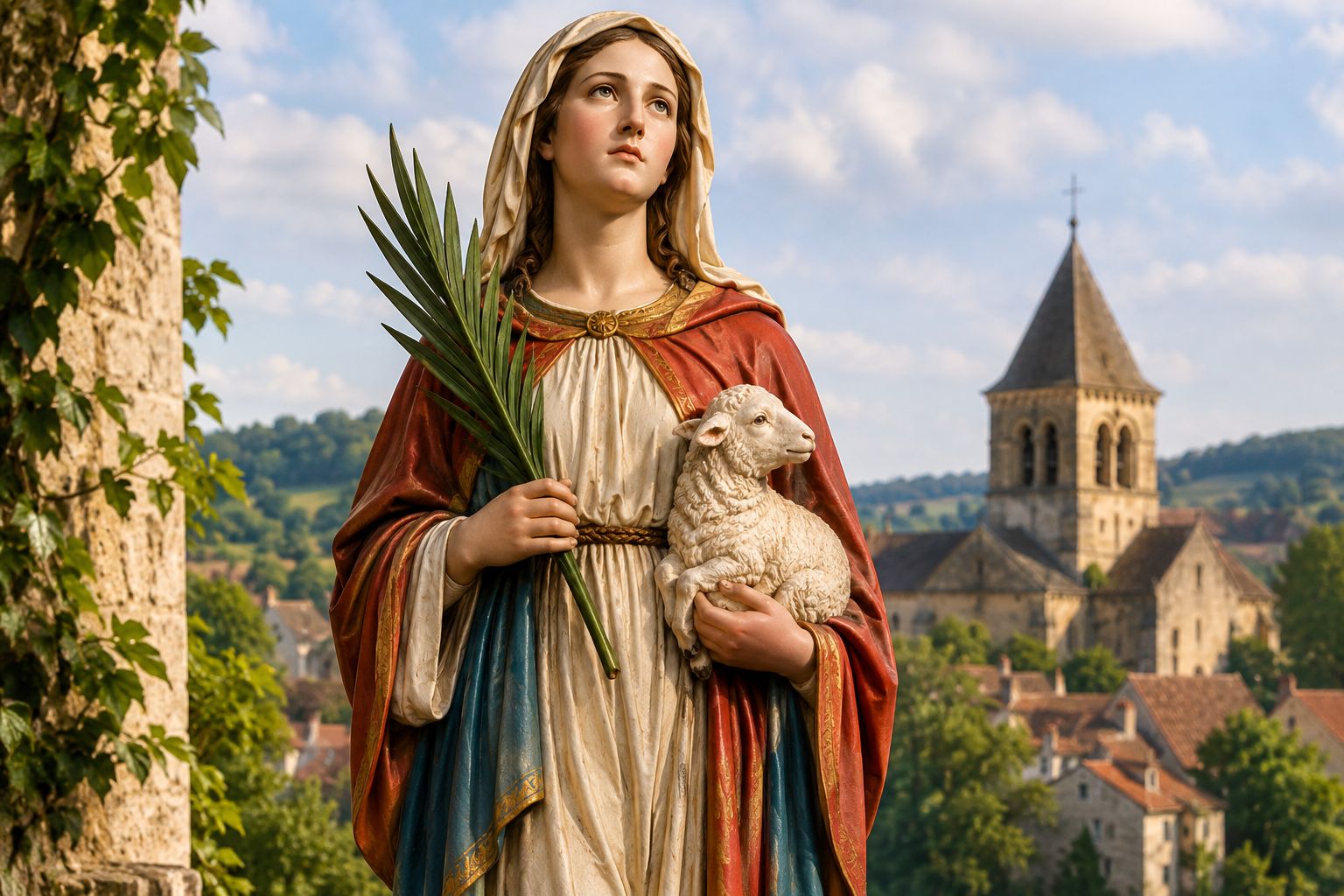
Saint Regina the Virgin Martyr: Feast Day and Story
Saint Regina the Virgin Martyr remains one of the most cherished saints of ancient Gaul. Indeed, her courage under torture still inspires believers many centuries later. Her early life, trial, martyrdom and the lasting legacy still matters to the Catholic Church.
The Roman Martyrology celebrates the feast day of Saint Regina the Virgin Martyr on September 7. Many local Calendars across France also honour her on this date. Meanwhile, the Archdiocese of Paderborn in Germany keeps a separate celebration on the twentieth of June, since devotion to her spread there many centuries ago. Consequently, the faithful in both France and Germany continue to venerate her, even though their calendars differ slightly.
Saint Regina the Virgin Martyr was born in Autun, France, during the third century. Her father, a pagan nobleman named Clement, arranged for her upbringing after her mother died in childbirth. Interestingly, he placed the infant in the care of a Christian nurse, who secretly baptised her. As Regina grew older, her family eventually discovered her Christian faith and drove her from their home. Consequently, she took up work as a shepherdess alongside her devoted nurse. While tending sheep in the fields, she spent long hours in prayer and meditated on the lives of earlier martyrs.
When Regina reached the age of fifteen, the Roman proconsul Olybrius noticed her beauty and asked for her hand in marriage. However, she firmly refused, since she had already consecrated her life to Christ. Olybrius grew furious at her rejection and he first imprisoned her in an attempt to change her mind. Rather than weaken her resolve, this imprisonment strengthened her determination to remain faithful. Eventually, Olybrius ordered brutal torture when she still refused to sacrifice to pagan idols. According to tradition, she endured whippings, scourging upon a wooden frame and burning with hot Pincers and Torches. Remarkably, witnesses reported seeing a Dove hovering above her head throughout these torments, a sign many took as heavenly consolation.
Saint Regina the Virgin Martyr ultimately faced beheading at Alesia, near Autun, after refusing every demand to abandon her faith. Scholars date her death to either the persecution under Decius in 251 or the reign of Maximian in 286. Afterwards, the town of Alesia took the name Alise-Sainte-Reine in her honour and it still carries that name today. Her relics remained in the region for centuries until monks transferred them to Flavigny Abbey around 864. Since then, countless pilgrims have visited these relics and many miracles have been attributed to her intercession over the years.
The witness of Saint Regina the Virgin Martyr continues to resonate with people who face pressure to abandon their beliefs. Although she held little social power as a poor shepherdess, she never wavered when tested. Therefore, the Church honours her today as the patroness of shepherdesses, torture victims and those suffering poverty. Every August, the village of Alise-Sainte-Reine still stages a mystery play recounting her story, a tradition dating back to 1866. For a deeper look at another remarkable figure from the same liturgical week, readers may also enjoy our earlier feature on Saint Zechariah the Prophet on this website.
Saint Regina the Virgin Martyr shows that unwavering faith can triumph over even the harshest cruelty. Her courage, her humility and her enduring legacy continue to inspire Catholics many centuries after her death.













Leave a Reply