Novena Prayers: Meaning, History, and How to Pray
Novena Prayers rank among the most cherished devotional practices in the Catholic Church today. The word novena comes from the Latin novem, meaning nine, therefore, it describes nine days of prayer offered for a specific intention. Believers often pray a novena in honor of a particular saint, or in preparation for a major feast. Because this structure carries deep biblical roots, Novena Prayers keeps shaping Catholic devotion across the entire world.
Novena Prayers Trace Their Origin to Pentecost
The nine-day pattern behind Novena Prayers is not arbitrary. It echoes the nine days that Mary, the apostles, and the disciples spent in prayer between Christ’s Ascension and Pentecost. During that waiting period, the early Church gathered in persistent, unified prayer before the Holy Spirit descended. From that biblical foundation, believers eventually shaped the novena into the structured devotion still practiced today.
The Theology Behind Novena Prayers
Novena Prayers rest on a Catholic understanding of prayer as both petition and perseverance. Christ himself encouraged his followers to ask, seek, and knock with confidence. A novena embodies that same spirit through daily repetition. By returning to prayer across nine consecutive days, believers express both their need and their trust in God’s timing. Many people expect immediate answers to their prayers. Novena Prayers instead teach patience, discipline the will, and deepen reliance on grace, reminding believers that some blessings unfold slowly over time.
Different Forms of Novena Prayers
Novena Prayers can be addressed directly to God, to the Blessed Virgin Mary, or to individual saints. Each form carries its own character and spiritual focus. Novenas directed to the Holy Trinity or to Jesus Christ draw petitioners toward deeper intimacy with God himself. Marian novenas invite Mary’s intercession as she presents her children’s needs to her Son. Novenas to the saints call upon the wider communion of believers, asking those already united with Christ to join their prayers with ours. Whichever form believers choose, every novena ultimately expresses trust in the power of prayer and the generosity of divine love.
Browse Novena Prayers by Category
Use the categories below to find a novena suited to your own devotion or intention. Each links to its own page with full history and daily prayers.
Novena Prayers to the Saints
- Novena to Saint Anthony of Padua — for lost items, difficult trials, and finding what matters
- Novena to Saint Jude Thaddeus — patron of hopeless and desperate causes
- Novena to Saint Joseph — for fathers, workers, and a peaceful death
- Novena to Saint Anne — for mothers, grandparents, and family harmony
- Novena to Saint Rita of Cascia — patroness of impossible causes and difficult marriages
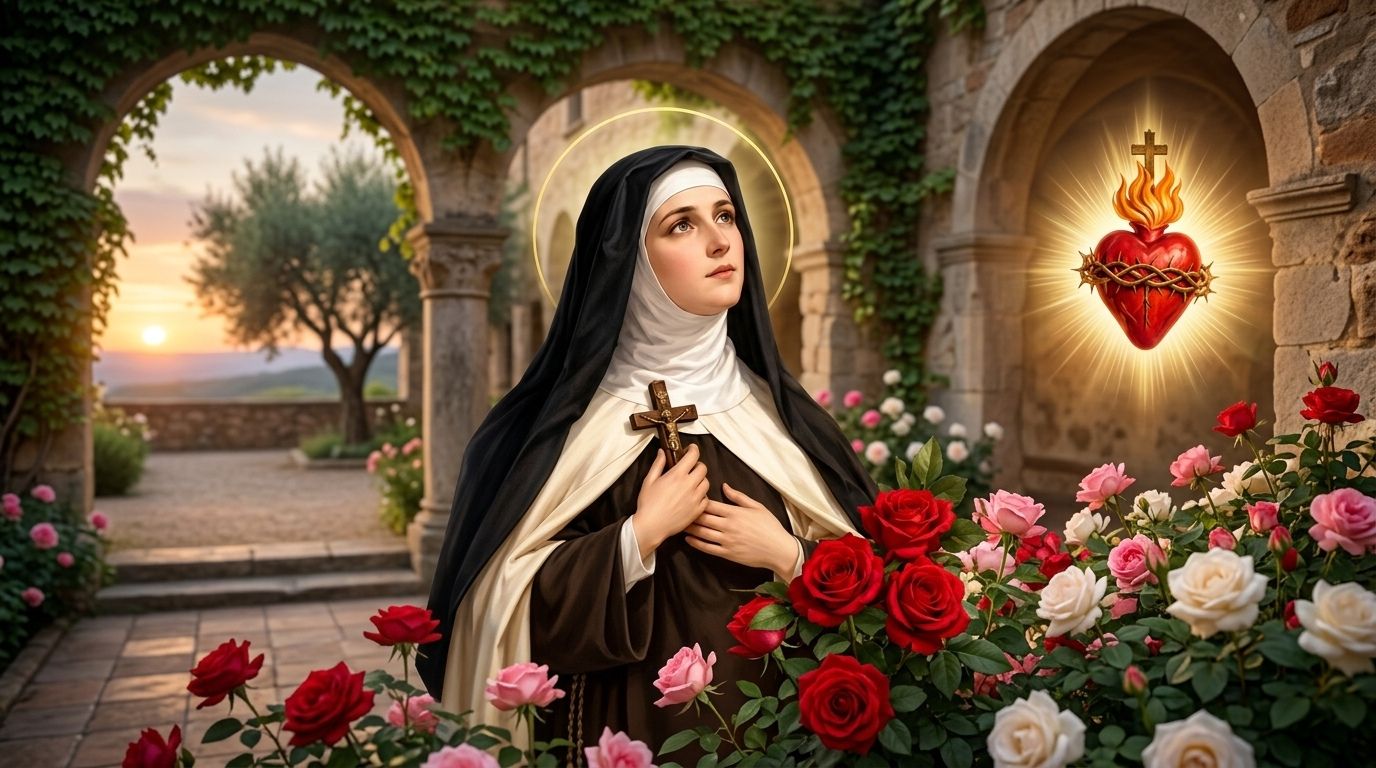
- Novena to Saint Thérèse of Lisieux — the Little Flower’s novena of roses
- Novena of the 24 Glory Bes — for special intention, divine grace and powerful intercession
- Novena to Saint Michael the Archangel — for protection and spiritual strength
- Novena to Padre Pio — for healing and trust in divine providence
- Novena to Saint Monica — for Mothers, wayward Children and family conversions (August 18 – August 26)
- Novena to Saint John Paul II — for families, youth, and finding hope in times of struggle
Novenas to the Blessed Virgin Mary
- Novena to Our Mother of Perpetual Help — for continual maternal protection
- Novena to the Most Holy Name of Mary — A Powerful prayer for Intercession
- Novena to Our Lady of Sorrows — Novena to grow closer to Mary through her seven sorrows
- Novena to Our Lady of Guadalupe — prayed before her December feast
- Novena to the Miraculous Medal — trust in Mary’s grace and intercession
- Novena to Our Lady Undoer of Knots — for untangling life’s difficult situations
- Novena to the Nativity of the Blessed Virgin Mary — honouring the birth of Our Lady and seeking her grace
- Novena to the Immaculate Conception — prayed ahead of the December 8 solemnity
- Novena to Our Lady of Mount Carmel — devotion tied to the Brown Scapular
- Novena to Our Lady of the Rosary — Seeking Our Lady’s intercession through meditative prayer on the mysteries of salvation
Novena Prayers to the Trinity, Christ, and the Holy Spirit
- Novena to the Holy Spirit — prayed in the nine days before Pentecost
- Novena to the Sacred Heart of Jesus — prepares for the June solemnity
- Divine Mercy Novena — begins on Good Friday, ending on Divine Mercy Sunday
- Christmas Novena (Saint Andrew Novena) — begins November 30, leading toward Christ’s birth
- Novena to the Precious Blood of Jesus — honours the price of redemption, prayed especially in July
Novena Prayers Offered in Times of Need
Believers also turn to Novena Prayers during seasons of urgent need. Some pray novenas for healing, employment, financial relief, or family reconciliation. Others pray in thanksgiving for graces already received, or in reparation for past sins. The intention may be deeply personal or shared among a whole community. What matters most is the sincerity behind each petition and the faith with which it is offered. The Church has never taught that Novena Prayers function as guaranteed formulas through simple repetition. Instead, they express confident hope, placed before a Father who already knows every need.
How Catholic Gist International Presents Novena Prayers
At Catholic Gist International, every collection of Novena Prayers includes its history, its full text, and guidance for praying it well. Readers can approach these resources not as obligations, but as opportunities to draw closer to God. Whether facing a trial, preparing for a feast, or simply deepening a prayer life, a novena offers a proven and structured path forward.
Why Novena Prayers Continue to Endure
Novena Prayers have sustained Catholics through persecution, plague, war, even personal suffering across many centuries. Believers have prayed novenas in catacombs and cathedrals, in hospital rooms and quiet homes, among the learned and the desperate alike. This lasting endurance testifies to their power. Across nine days of faithful prayer, something genuinely shifts within the soul. Trust deepens, peace slowly emerges, and grace often begins working in ways believers cannot immediately perceive. For further reading on the Church’s teaching on persistent prayer, see the Catechism of the Catholic Church’s section on prayer.