
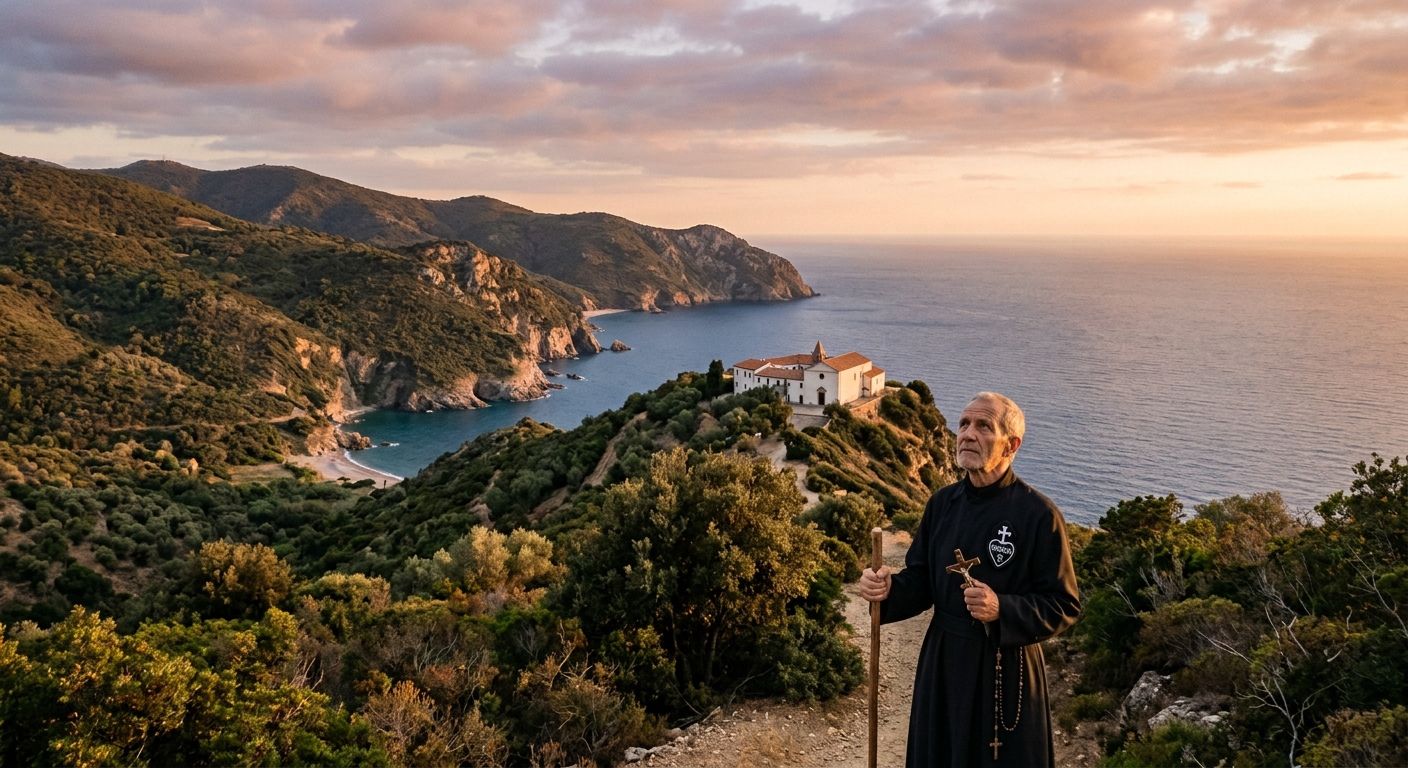
Saint Paul of the Cross Taught the World to Remember the Passion
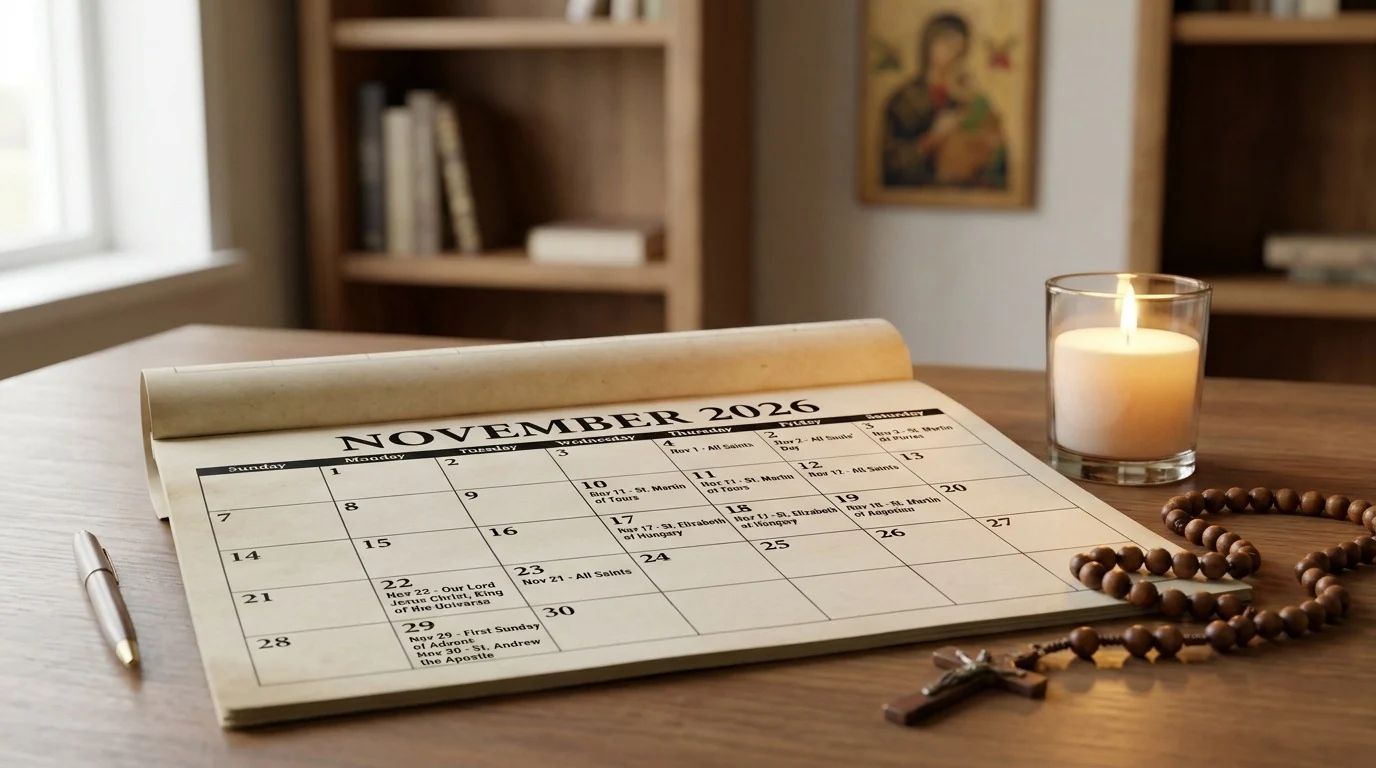
The Church honours Saint Paul of the Cross on October 19. Indeed, this optional memorial comes just one day after the anniversary of his death in 1775. Some countries, including the United States, keep the memorial on October 20 instead. Moreover, Catholics now remember a priest who spent his life pointing others to the Cross. Therefore, his example speaks strongly to anyone who faces suffering.
Saint Paul of the Cross was born Paolo Francesco Danei on January 3, 1694, in Ovada, northern Italy. His family was devout and fairly prosperous, and he was one of sixteen children. His parents taught him to pray and to care for the poor. Furthermore, he showed an early love for silence and the suffering of Christ. As a result, he grew into a serious and thoughtful young man.
At nineteen, a deep spiritual experience changed the direction of his life. However, his father still hoped that he would become a merchant, marry and inherit the family property. Paul refused all three. Instead, he volunteered at twenty to fight with the Venetian army against the Turks. After a few months, he realised that military life did not suit him. Afterwards, he returned home and lived for several years in prayer and penance.
The decisive moment came in 1720, when Paul was twenty-six. Following a vision, he received a black habit from the bishop of Alessandria. The habit bore a white cross and the name of Jesus, together with a white heart. Then he withdrew for forty days to a small room at Castellazzo. During that retreat, he wrote the first rule of a new community. Consequently, the Passionists, officially the Congregation of the Passion of Jesus Christ, began to take shape.
Paul did not walk alone. His brother, John Baptist, became his first companion and shared his vision. Together, the two men received ordination from Pope Benedict XIII in Rome in 1727. Afterwards, they preached missions in parishes, especially in remote areas that lacked priests. In addition, they led retreats and cared for the sick and the dying. Their work brought many lapsed Catholics back to the Church. Thus, the little community grew steadily.
However, approval from Rome took many years. Paul travelled repeatedly to seek permission for his rule. Finally, the Church recognised the congregation in 1741, and the first general chapter met in 1747. At that meeting, the members elected Paul as their first superior general, though he did not want the office. Later, in 1769, Pope Clement XIV gave the final approval. Meanwhile, Paul also helped to establish a community of Passionist nuns in 1771.
The heart of his message was simple. Paul taught that the Passion of Jesus is the greatest work of God’s love. Therefore, he urged Christians to remember it daily. Moreover, he preached with such feeling that entire crowds wept. He also wrote thousands of letters and gave spiritual guidance to lay people, priests and religious. In his last years, he recorded his prayer in a Mystical Diary. There he encouraged complete trust in God’s will, even without comfort.
Paul also cared deeply for the faith in England. In fact, he prayed for its return to the Catholic Church. Later, his followers continued this work. For example, Blessed Dominic Barberi, a Passionist, received John Henry Newman into the Church in 1845. Thus, the founder’s prayers bore fruit long after his death. Likewise, the Passionists now serve in many countries across the world.
Saint Paul of the Cross died in Rome on October 18, 1775, at the age of 81. By then, the congregation had about one hundred and eighty members in twelve retreats. Pope Pius IX beatified him on October 1, 1852. Later, the same Pope canonised him on June 29, 1867. Today, his relics rest in the Basilica of Saints John and Paul in Rome. To learn more, visit the Passionist website.
In conclusion, Saint Paul of the Cross shows us how to turn pain into prayer. He did not avoid suffering, but he found Christ within it. Likewise, he reminds us that love is stronger than any hardship. Therefore, let us ask for his intercession on this memorial. May we, too, keep the Passion of Christ close to our hearts.
Leave a Reply